Escalating Geopolitical Tensions
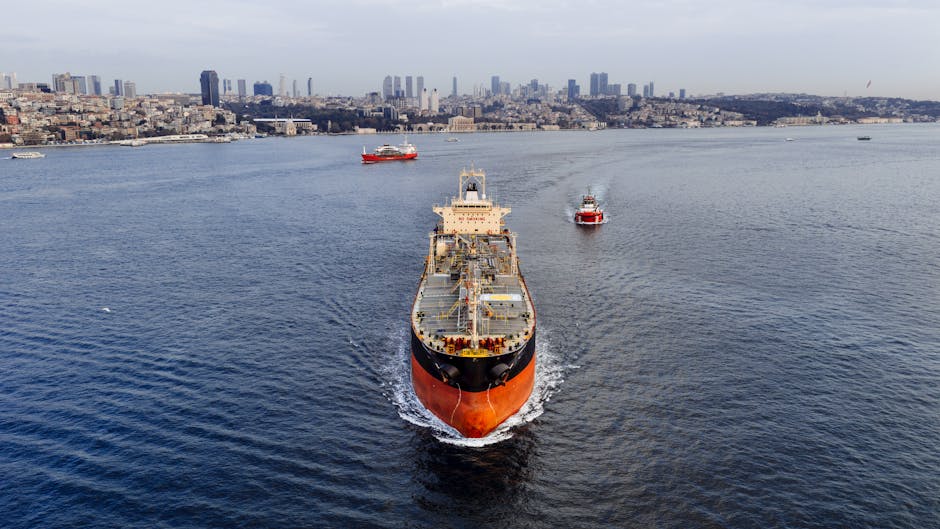
In March 2026, shipping activities through the Strait of Hormuz have ground to a halt amid the Iran-U.S.-Israel conflict. This narrow waterway connecting Persian Gulf ports with the rest of the world carries approximately 20% of global oil trade daily along with substantial volumes of critical commodities. As Iran’s threats against passing vessels escalate, the International Energy Agency (IEA) has announced it will release 400 million barrels of strategic oil reserves to stabilize markets. However, oil is just one of many products for which global supply chains depend on this crucial passage.
From metals markets to agriculture and automotive manufacturing, a de facto closure of the Strait of Hormuz would create ripple effects across global business sectors. The aluminum industry stands as one of the biggest non-petroleum trade casualties of this conflict. According to latest data, the Middle East accounted for roughly 21% of global unwrought aluminum imports and 13% of wrought aluminum imports in 2025, with these percentages continuing to rise.
Aluminum Supply Chain Faces Severe Challenges
Unwrought aluminum refers to raw, unprocessed metal in forms like ingots and billets, while wrought aluminum has been mechanically shaped into sheets, rods, or other finished forms used directly in manufacturing. Matt Meenan, spokesman for the Aluminum Association, stated: “The Iran situation is having an impact, and as the conflict continues, industry concerns may grow. This is a highly dynamic situation.”
Tony Pelli, practice director of supply chain security and resilience at global risk management firm BSI Consulting, noted: “The Gulf is a major supplier of aluminum, and disruptions could tighten supply chains for advanced manufacturing. Aluminum prices are already rising, and further disruption could increase input costs for automotive, aerospace, and construction manufacturing in the U.S. and Europe.”
Fertilizer and Agricultural Supply Chain Risks
Pelli further warned that fertilizer represents one of the biggest downstream risks. Approximately one-third of global fertilizer trade transits the Strait of Hormuz, including large volumes of nitrogen exports. Urea prices at the New Orleans fertilizer hub have already risen from $475 per metric ton to $680 per metric ton.
Darrell Fletcher, managing director of commodities at Ohio-based Bannockburn Global Forex, a foreign exchange and risk management firm, said: “Not great timing for the planting window in the Midwest for soy and corn.” The longer the Middle East conflict continues, the more damage will be done to supplies of products that consumers expect to find on shelves.
Domino Effect on Global Trade
The closure of the Strait of Hormuz affects not only energy and raw materials but will also trigger a domino effect on global trade. This waterway serves as a critical trade corridor connecting Asia, Europe, and the Americas, with hundreds of cargo vessels passing through daily. Shipping companies like Hapag-Lloyd have already faced operational disruptions, implementing booking restrictions and imposing war risk surcharges.
Supply chain experts warn that if disruptions at the Strait of Hormuz force vessel rerouting, chaos at inland ports could escalate rapidly. Craig Geskey, vice president of strategic solutions at Traffix, a logistics and transportation management company, pointed out that petrochemical inputs, plastics, rubber, electronics, batteries, pharmaceuticals, and sugar are among the inputs and sectors facing supply chain stress.
Impact Analysis on Chinese Companies Going Global
For Chinese companies expanding globally, the Strait of Hormuz crisis presents dual challenges. On one hand, Chinese manufacturing depends on raw material imports passing through the region; on the other hand, overseas factories and supply chain networks of Chinese enterprises also face disruption risks.
Chinese automakers like BYD and CATL have battery factories in Europe that rely on raw material shipments through the Strait of Hormuz. Similarly, logistics networks for cross-border e-commerce platforms like SHEIN and Temu are affected by shipping disruptions in the region. Chinese companies need to reassess the resilience of their global supply chains and consider diversified transportation routes and inventory strategies.
Risk Mitigation and Supply Chain Resilience Building
Faced with growing geopolitical risks, enterprises need to adopt multi-layered supply chain resilience strategies. These include:
- Establishing diversified supplier and transportation route networks
- Increasing safety stock of critical raw materials
- Investing in digital supply chain technologies to improve visibility and response speed
- Building closer collaborative relationships with logistics partners
- Conducting regular supply chain stress tests and scenario planning
The 2026 Industry Report by Global Trade Magazine notes that Winter Storm Fern was considered the most significant disruptive event since the end of the COVID period. However, the Strait of Hormuz crisis may become a new “black swan” event testing the limits of global supply chain resilience.
Source: cnbc.com
This article was AI-assisted and reviewed by our editorial team.