According to doanhnghiepkinhtexanh.vn, Ho Chi Minh City has launched a 2026–2030 Action Plan to green its import-export sector, with a binding target of 30% renewable energy use in export-oriented manufacturing facilities by 2030.
Green Export Strategy Anchored in Renewable Energy and Digitalization
The Ho Chi Minh City People’s Committee formally approved the Action Plan for Implementing the Import-Export Goods Strategy (2026–2030), which positions environmental sustainability and digital transformation as twin pillars of trade growth. The plan explicitly mandates that at least 30% of energy consumed at factories producing goods for export must derive from renewable sources by 2030. This benchmark is designed to align local producers with tightening international requirements—including the European Union’s Carbon Border Adjustment Mechanism (CBAM) and global ESG reporting frameworks.
The strategy also prioritizes high-value exports: it directs investment toward high-tech products, supporting industries, and goods meeting international green standards. To support this shift, the city will expand outreach to niche markets—particularly countries with strong demand for environmentally certified goods—and intensify assistance for small and medium-sized enterprises (SMEs) to leverage Vietnam’s network of 17 free trade agreements (FTAs), including the EU–Vietnam FTA and CPTPP.
Digital Infrastructure and Logistics Modernization
Cross-border e-commerce is designated a strategic channel for market access, especially for SMEs. Ho Chi Minh City will continue rolling out programs to help firms join international e-commerce platforms such as Amazon, Shopee, and Lazada. Concurrently, the city is advancing AI, big data analytics, and digital supply chain platforms across production, logistics, and customs operations.
Support services are being digitized: smart logistics, electronic payments, trade finance solutions, and compliance tools for traceability and labor/environmental standards are all under active expansion. The city also aims to strengthen its role as a regional financial hub by integrating these digital trade enablers into the emerging Ho Chi Minh City International Financial Center ecosystem.
Green Logistics and Regulatory Preparedness
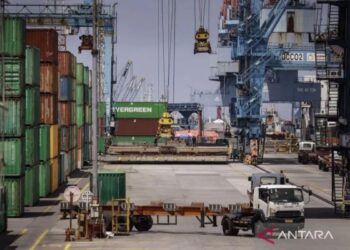
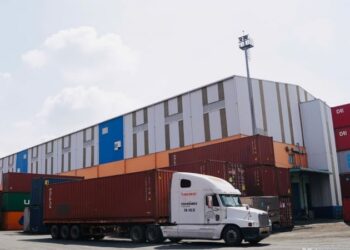
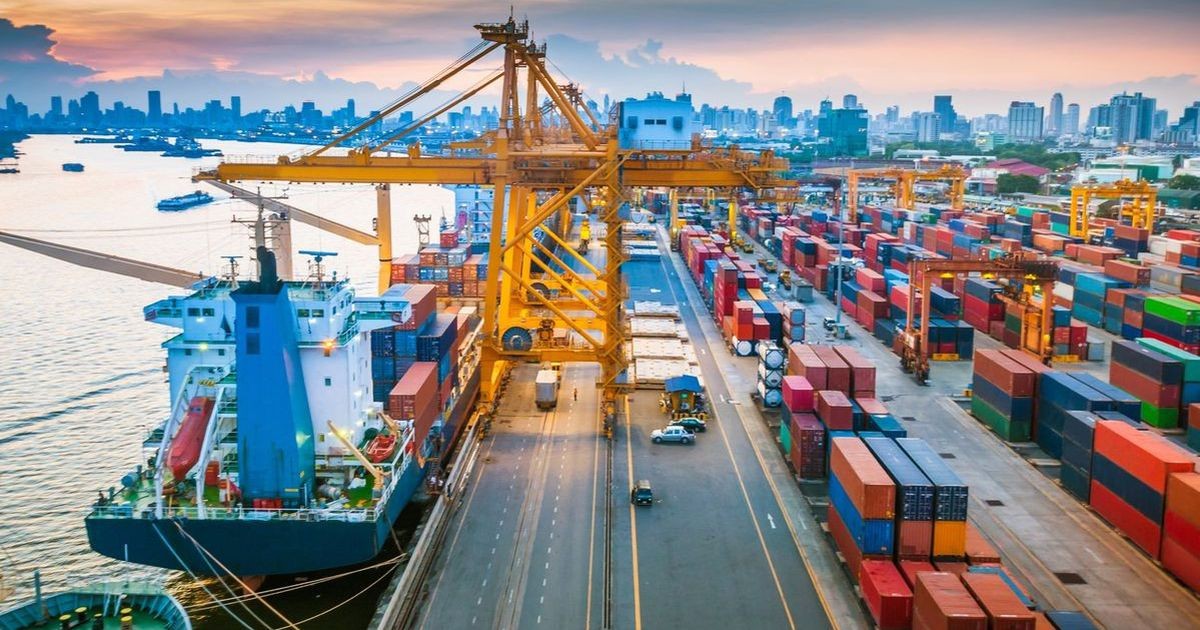
Modernizing physical infrastructure remains central: the city plans targeted investments in integrated transport networks, seaports—including the Cai Mep–Thi Vai deep-water complex—warehouses, and logistics centers. A parallel focus is green logistics: optimizing routes, adopting low-emission vehicles, and developing eco-certified warehousing to reduce carbon intensity per shipment.
In addition to CBAM, the plan explicitly prepares businesses for Halal certification requirements in Muslim-majority markets and full implementation of ESG disclosure norms. It also reinforces trade defense mechanisms, intellectual property protection, quality control for imports/exports, and enterprise-level resilience training to mitigate global trade volatility.
Funding and Implementation Timeline
To execute the plan, Ho Chi Minh City has allocated over VND 12.7 trillion (approximately $510 million) for science and technology development through 2026, with significant portions earmarked for clean energy R&D, digital adoption grants, and green logistics pilots. The five-year horizon spans 2026–2030, with annual performance reviews tied to the 30% renewable energy target and FTA utilization rates.
According to the report, the city’s approach reflects broader national momentum: Vietnam’s Ministry of Industry and Trade reported that green-certified exports grew 22% year-on-year in early 2026, led by electronics, textiles, and processed agricultural goods. Regional peers—including Bangkok and Jakarta—are advancing similar green export roadmaps, though Ho Chi Minh City’s binding 30% target is among the most specific and ambitious in Southeast Asia to date.
Source: doanhnghiepkinhtexanh.vn
Compiled from international media by the SCI.AI editorial team.