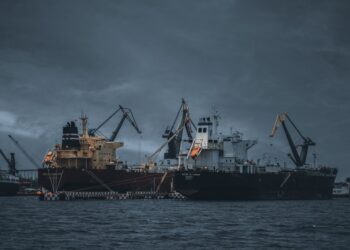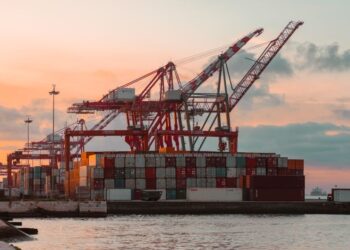
According to www.tekedia.com, BHP is confronting its most severe labor disruption in over 30 years as hundreds of workers at its Port Hedland iron ore operations have confirmed an eight-hour strike scheduled for July 16, 2026, from 2:00 p.m. to 10:00 p.m. local time (0600–1400 GMT). The action threatens uninterrupted exports from one of the world’s busiest bulk commodity terminals.
Labor Dispute Escalates After Six Months of Stalled Talks
The industrial action follows six months of negotiations between BHP and the Combined BHP Ports Union over a new four-year enterprise agreement. No agreement has been reached despite repeated bargaining sessions, including a five-hour session held on July 14, 2026 — just two days before the strike. According to union representatives, the failure to secure terms reflects growing worker demands amid sustained profitability in Australia’s mining sector.
The union stated:
“Today workers at BHP and their elected representatives conducted a five-hour bargaining session … No agreement was reached.” — Combined BHP Ports Union spokesperson
The union added that “it is the intention of workers and their representatives to proceed with protected industrial action notified for Thursday 16 July.”
Strategic Impact on Global Iron Ore Flows
Port Hedland serves as the critical export hub for BHP’s Pilbara iron ore operations, feeding steelmakers across Asia — particularly China, which receives the overwhelming majority of Australian iron ore shipments. According to the union, approximately $80 million worth of iron ore passes through the port every day. This volume underscores how even a single-day stoppage can reverberate across BHP’s integrated rail, port, and shipping network.
BHP’s iron ore division contributes the majority of the company’s earnings, making operational continuity at Port Hedland as vital as mine output itself. A bottleneck here risks delaying vessel loading schedules, disrupting supply chains, and tightening seaborne iron ore availability — especially amid already pressured global pricing driven by slowing Chinese steel production and a weakened property sector.
Broader Context: Labor Relations and Market Timing
The strike coincides with broader shifts in Australia’s resources sector, where recent workplace reforms have strengthened collective bargaining rights and expanded unions’ capacity to organize protected industrial action. It also marks the most significant industrial action at BHP’s iron ore operations in at least 30 years. Workers are seeking improved employment conditions while mining companies continue to benefit from strong long-term demand for steelmaking raw materials — despite short-term commodity price volatility.
BHP acknowledged that negotiations on July 14 showed “encouraging progress” but expressed disappointment that the union would proceed with the strike. In its official statement, the company said:
“Given the positive progress today, it is disappointing the unions have decided to proceed with their planned industrial action on Thursday.” — BHP spokesperson
The company confirmed contingency plans are in place to ensure safe operations but declined to detail them publicly.
Negotiation Timeline and Market Implications
Formal negotiations are scheduled to resume on July 21, 2026, suggesting the strike functions primarily as a pressure tactic rather than the opening phase of an indefinite shutdown. However, the absence of a resolution leaves open the possibility of further protected industrial action if talks remain deadlocked.
The timing is especially sensitive: BHP is set to release its quarterly operational update on Thursday, July 16, 2026 — the same day as the strike. Investors will scrutinize not only production and shipment figures but also management’s assessment of labor relations and any potential revision to iron ore export guidance. Given that Australia accounts for more than half of global seaborne iron ore exports — with BHP, Rio Tinto, and Fortescue supplying the bulk — sustained disruptions at Port Hedland could influence global supply dynamics, freight markets, and iron ore prices, particularly if Chinese steel demand stabilizes later this year.
Source: tekedia.com
Compiled from international media by the SCI.AI editorial team.