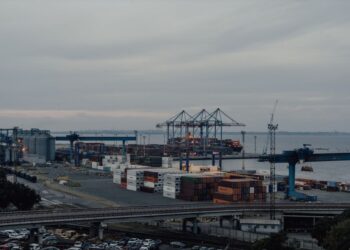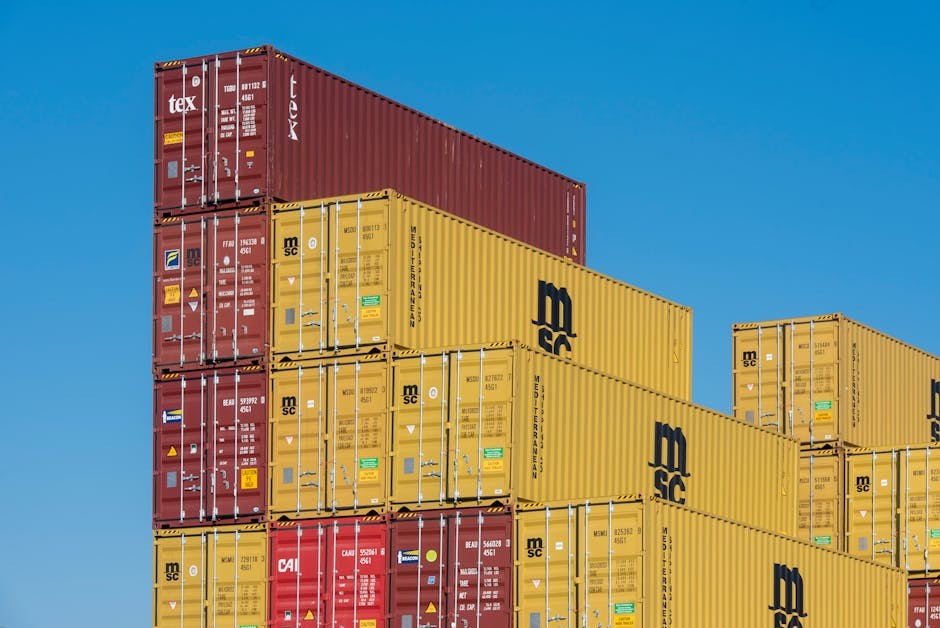
According to news.google.com, Saudi Arabia Railways has launched five new supply chain rail routes to strengthen logistics connectivity across the Kingdom. The initiative directly supports Saudi Vision 2030’s objectives of boosting global trade, improving freight efficiency, and integrating multimodal transport networks.
Strategic Infrastructure Expansion
The newly inaugurated routes are designed to enhance domestic freight movement and position Saudi Arabia as a regional logistics hub bridging Asia, Europe, and Africa. While the source does not specify route endpoints, distances, or cargo capacity metrics, it confirms the expansion is part of a broader national effort to modernize rail infrastructure — a priority highlighted in the Saudi Railways Company (SAR)’s publicly stated 2022–2026 strategic plan, which emphasized doubling freight volume and expanding intermodal terminals.
Context for Global Supply Chain Professionals
This development aligns with regional infrastructure acceleration observed across the Middle East: the UAE’s Etihad Rail completed Phase Two in 2023, linking Abu Dhabi to the Saudi border; Qatar Rail’s freight network expanded in tandem with Lusail Port upgrades; and Oman’s Duqm Port rail link entered operational testing in early 2024. Collectively, these projects signal a coordinated push to reduce overreliance on road transport — which accounts for over 70% of inland freight tonne-kilometers in GCC countries, per Gulf Cooperation Council Transport Authority data (2023).
For supply chain professionals managing cross-border flows into or through the Middle East, the five new SAR routes may offer new options for time-definite, lower-emission alternatives to trucking — particularly for high-volume commodities such as construction materials, automotive components, and consumer goods moving between Riyadh, Jeddah, Dammam, and inland industrial zones like King Abdullah Economic City and NEOM’s logistics corridors. Interoperability with port terminals and dry ports remains critical; SAR’s prior integration with Jeddah Islamic Port and King Abdulaziz Port in Dammam suggests these new lines likely connect to existing maritime gateways.
Vision 2030 and Multimodal Integration
The launch underscores the centrality of rail in Saudi Arabia’s multimodal strategy. As noted by the source, the goal is explicit: “integrating multimodal transport networks”. This reflects industry-wide recognition that seamless handoffs between sea, rail, and road reduce dwell times and documentation bottlenecks — pain points consistently cited in World Bank Logistics Performance Index reports for the region.
Source: news.google.com
Compiled from international media by the SCI.AI editorial team.