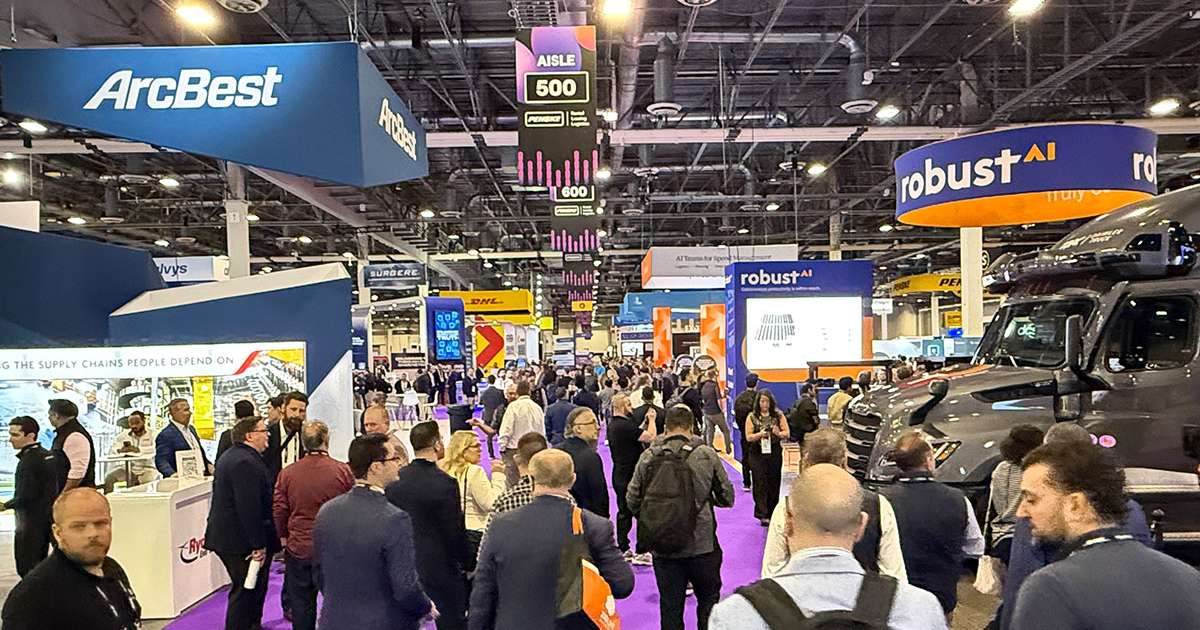
Shippers, logistics providers, and technology developers are increasingly leveraging artificial intelligence (AI) and automation to enhance supply chain efficiency and resilience in an unpredictable world. This trend was prominently highlighted at the recent Manifest 2026 conference held in Las Vegas, where industry leaders showcased how they are adopting AI-driven forecasting, inventory optimization, and robotics to build more robust and agile supply chains.
The Rise of Supply Chain AI
Executives from companies such as American Eagle Outfitters, Scotts Miracle-Gro, and DHL Supply Chain emphasized the critical role that AI is playing in their operations. These companies are using advanced algorithms to predict demand fluctuations more accurately, optimize inventory levels, and automate various supply chain processes.
The integration of AI technologies allows for real-time data analysis and rapid decision-making, which are essential for maintaining efficiency during disruptions such as natural disasters or geopolitical crises. According to a survey conducted at the conference, over 80% of attendees reported that their organizations plan to increase investment in AI-driven supply chain solutions within the next year.
Key Trends and Innovations
- Predictive Modeling: Companies are using advanced machine learning models to forecast demand patterns, which helps them avoid stockouts or overstocking scenarios. These predictive models can also adapt to changing market conditions in real-time.
- Robotics and Automation: The use of robotics has expanded beyond traditional manufacturing environments into warehouses and distribution centers. Autonomous robots are being deployed for tasks such as picking, packing, and transporting goods within the warehouse.
- Data Tools: Advanced data analytics tools are enabling companies to harness vast amounts of supply chain data to drive more informed decision-making processes.
The Impact on Industry Resilience
The adoption of AI technologies has significant implications for the resilience and agility of supply chains. By leveraging predictive models, businesses can anticipate disruptions before they occur, allowing them to take proactive measures such as stockpiling critical supplies or diversifying their supplier base.
Moreover, automation reduces dependency on human labor, which is particularly beneficial in regions experiencing labor shortages or high turnover rates. This shift towards automation also contributes to cost savings and increased operational efficiency over time.
Future Outlook: Investment Trends and Challenges
The conference highlighted that the supply chain industry is expected to see greater investment in automation, nearshoring, and AI-enabled decision-making. Companies are increasingly testing autonomous trucks for long-haul transportation and exploring cargo security technology advancements.
However, this transition comes with its own set of challenges. One of the primary concerns is the need for significant initial investments in technology infrastructure and workforce training. Additionally, there is a growing emphasis on cybersecurity to protect sensitive supply chain data from potential threats.