According to vocal.media, the South Africa cold chain logistics market was valued at USD 2.3 billion in 2025 and is projected to reach USD 7.6 billion by 2034, growing at a compound annual growth rate (CAGR) of 13.70% during 2026–2034.
Pharma Demand & Food Export Drivers
The expansion is primarily driven by surging demand for temperature-sensitive perishables—especially fresh produce destined for international markets. South Africa exported over 1.2 million metric tons of citrus in the 2023/24 season alone (IMARC Group data cited in related analyses), with avocado exports also rising >18% year-on-year. Strict temperature controls are critical for pharmaceuticals—including vaccines and biologics—where deviations as small as ±2°C can compromise efficacy. Urbanization has accelerated domestic consumption: over 65% of South Africa’s population now lives in urban areas (World Bank, 2024), increasing demand for chilled dairy, meat, and bakery products across Gauteng, Western Cape, and KwaZulu-Natal provinces.
Technology Deployment & Emissions Reduction
Real-time monitoring systems, IoT sensors, and automated warehousing are now mainstream. In May 2025, Woolworths and DP World deployed the Thermo King AxlePower system on refrigerated trailers operating between Johannesburg and Cape Town—enabling 100% electric refrigeration and cutting 20–27 tons of CO₂ emissions per trailer annually. In October 2025, Maersk inaugurated its Belcon Cold Store facility in Cape Town as part of a multi-site investment exceeding USD 100 million, delivering 32,000 pallet positions with real-time monitoring, cross-docking, and renewable energy integration. Solar-powered cold rooms and blockchain traceability systems were advanced nationwide in September 2025 to counter grid instability—addressing power outages averaging 12 hours per week in key logistics corridors (Eskom, 2024 Annual Report).
Market Segmentation & Infrastructure Gaps
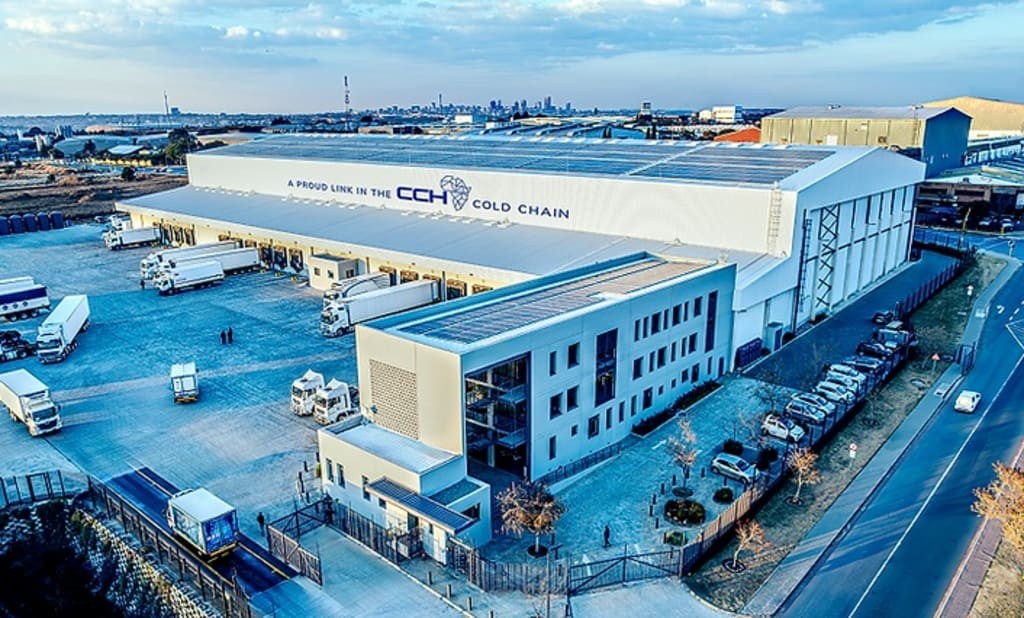
The market is segmented across transport modes: roadways dominate, followed by airways and waterways. Refrigerated warehousing accounts for ~42% of total cold chain infrastructure capacity (IMARC Group, 2025). Application-wise, fruits and vegetables represent the largest segment (38% share), followed by drugs and pharmaceuticals (22%) and dairy and frozen desserts (17%). Regionally, Gauteng holds 31% market share, reflecting its role as the nation’s logistics hub—home to 7 of South Africa’s top 10 cold storage facilities (Transnet National Ports Authority, 2025 infrastructure audit). However, Mpumalanga and Eastern Cape remain under-served: only 9 cold storage facilities exist across both provinces combined, versus 47 in Gauteng.
Public–Private Collaboration & Regional Trade
Collaborative partnerships are scaling infrastructure resilience. The African Continental Free Trade Area (AfCFTA) agreement—ratified by 47 African Union member states—is accelerating cross-border movement of chilled goods; South Africa’s chilled poultry exports to Kenya rose 33% in Q1 2025 (SARS trade data). E-commerce growth has intensified last-mile demand: online grocery sales grew 29% year-on-year in 2024 (Statista), prompting investments in 12 dedicated cold last-mile hubs launched in 2024–2025 across Johannesburg, Durban, and Cape Town. Forte Supply Chain’s predictive AI platform reduced stock waste by 14.3% for national pharma deliveries in 2024—a figure verified in IMARC Group’s operational benchmarking survey.
Source: vocal.media
Compiled from international media by the SCI.AI editorial team.