Major Supply Chain Investment Announced
According to eciks.org, H-E-B Grocery Company has announced a $700 million supply chain expansion in San Antonio, the largest such investment in the company’s history. The project, slated for the Foster Road campus on the city’s East Side, is expected to create 720 full-time jobs by 2028, with over 1,200 positions added within the next decade. Construction is scheduled to begin as early as July 2026 and extend through 2036 in phased increments.
Strategic Infrastructure and Workforce Development
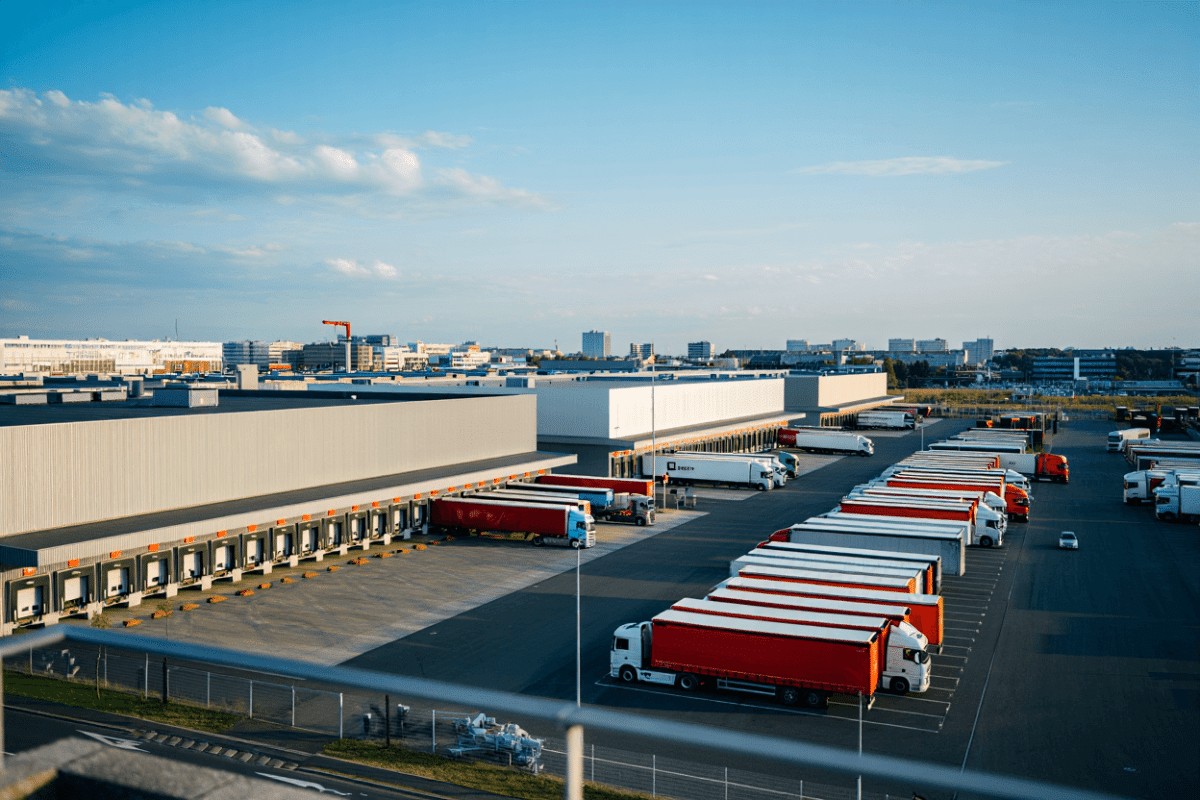
The Foster Road facility, already housing an H-E-B Retail Support Distribution Center and manufacturing operations across 870 acres, will undergo significant upgrades. These include new warehouse construction, logistics automation, and manufacturing enhancements aimed at improving throughput and capacity. The expansion is designed to support growing demand in Texas, which adds over 300,000 residents annually, and in Mexico, where H-E-B operates numerous stores. According to H-E-B’s announcement, the project aims to improve delivery frequency—most stores currently receive deliveries 3 to 5 times per week—while minimizing spoilage and inventory carrying costs.
Job Creation and Regional Economic Impact
The 720 jobs expected by 2028 will include warehouse workers, equipment operators, logistics coordinators, manufacturing technicians, and management roles. H-E-B has a long-standing reputation for offering competitive wages and benefits, which strengthens San Antonio’s labor market. The city’s unemployment rate stood at 3.8% in April 2026, the lowest in the region, positioning it well to absorb new hires. Over the next 10 years, the project is projected to generate more than 1,200 total positions, contributing to sustained employment growth through 2036.
Tax Incentives and Public Support
H-E-B has requested a $15 million tax abatement from Bexar County to offset capital costs during the construction and ramp-up phases. Tax abatement programs are used to incentivize large-scale economic development projects by reducing property tax obligations temporarily. The company framed the expansion as a commitment to being a “powerful economic driver for Texas,” emphasizing its regional significance beyond direct operations. The facility will support grocery distribution across multiple states and enhance supply chain resilience across the Southwest.
Competitive Advantages in Retail and Logistics
The $700 million investment signals strong confidence in Texas’s market strength and supply chain efficiency as competitive advantages over national retailers like Walmart and Kroger. The expansion will likely incorporate new automation technologies, such as advanced material handling systems, warehouse management software, and logistics optimization tools. These systems typically improve throughput by 20–40% per employee, lowering cost-per-unit and enabling more competitive consumer pricing. The project also enhances climate resilience and supply chain redundancy—critical factors following disruptions in 2021–2023. A second-generation distribution hub increases flexibility and response speed to regional demand spikes.
Impact on Consumer Experience
Consumers are expected to benefit from faster product freshness and more consistent in-store availability. Improved delivery schedules and automated systems will ensure fresher produce, meat, and prepared foods. The modernized supply chain may also accelerate H-E-B’s e-commerce and curbside services, which depend heavily on distribution efficiency. The company has been investing in digital channels to compete with Amazon and other online retailers. A more efficient hub enables same-day delivery and curbside pickup at scale, improving convenience and satisfaction for San Antonio shoppers.
Source: eciks.org
Compiled from international media by the SCI.AI editorial team.