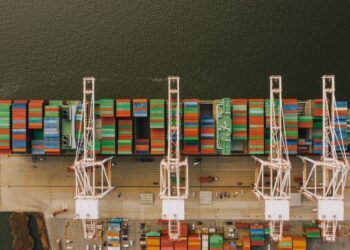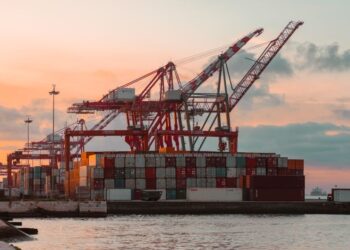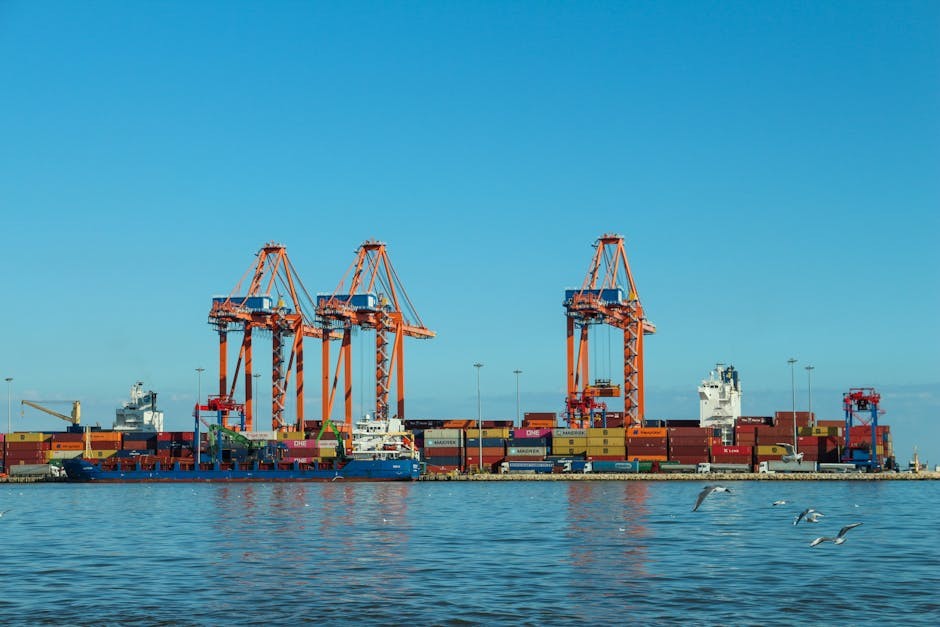
PSA International-operated Bharat Mumbai Container Terminals (BMCT), the largest box terminal at India’s Nhava Sheva Port (JNPA), is taking the brunt of trade complaints of cargo handling delays and gate congestion.
BMCT Lagging Behind Other JNPA Terminals
Customs house agents at the port claim while there had been substantial improvement at other JNPA terminals, BMCT paints a picture of lackadaisical efforts to fix the problems.
“BMCT remains the single terminal at JNPA where conditions are not improving at the pace seen elsewhere,” the Brihanmumbai Customs Brokers Association (BCBA) said in a trade notice.
The bottlenecks cited by BCBA range from long truck waits at the gates, disorderly cargo evacuation methods, and truckers’ unwillingness to go to BMCT due to turnaround concerns.
“First-in, first-out discipline has broken down and containers are remaining inside the terminal well beyond acceptable cycle times, with no rational sequence of evacuation,” the group complained.
BCBA also said the consequences of this disruption included cargo missing scheduled vessel connections, lines rolling containers and exporters’ inability to meet contractual obligations, like letters of credit terms.
“BCBA members cannot be held responsible for delays, detention, demurrage, shut-outs, rollovers, or consequential costs arising from cargo movements through BMCT, as these conditions are entirely beyond their control,” the customs brokers added.
Root Cause: Middle East Transhipment Surge
The crux of congestion issues at JNPA was the unexpected buildup of transhipment volumes diverted from the Middle East. The added pressure on port yards was compounded by a shortage of truck drivers usually engaged in handling container moves between JNPA terminals and freight stations off the dock.
BMCT was a first choice for container lines seeking to make ad-hoc calls for the discharge of Middle East boxes as the terminal had substantial spare capacity, after its recent phase 2 launch. As a result, its transhipment handling hit some 59,000 teu in March and 64,000 teu in April, the largest share of JNPA’s Middle East-linked additional volumes, according to data.
Response and Stakeholder Tensions
But, in a 24 May update, the JNPA authority claimed proactive measures had borne significant fruit, with some sort of normalcy expected by early June.
“JNPA, in coordination with the ministry and all stakeholders, remains fully committed to ensuring efficient port operations, minimising logistics disruptions, and safeguarding the interests of exporters, importers, transporters, and the wider trade community,” the authority said.
But truck owner groups serving JNPT last week warned they would be compelled to suspend cargo movements if conditions continued to worsen. The stoppage plan appears to have been shelved for now.
The JNPA congestion issue had also seen a great deal of finger-pointing between stakeholders over the causes of the slowdowns, ultimately hurting trade interests.
Source: The Loadstar
Compiled from international media by the SCI.AI editorial team.