According to www.cbnme.com, Saudi Transport Minister Saleh Al-Jasser has announced a coordinated set of logistics enhancements across Gulf Cooperation Council (GCC) countries, aimed at deepening regional integration and reinforcing supply chain continuity. The initiatives were unveiled during a virtual meeting of GCC transport ministers and form part of Saudi Arabia’s broader Vision 2030 ambition to become a global logistics hub.
Core Regulatory and Operational Measures
The plan introduces seven concrete actions with immediate operational impact for cross-border freight stakeholders:
- Extending the permissible operational lifespan of trucks in GCC trade to 22 years, relaxing previous age-based restrictions that limited fleet utilization;
- Allowing empty GCC-registered trucks to enter Saudi Arabia specifically to carry outbound goods—removing a longstanding barrier to backhaul efficiency;
- Introducing dedicated support mechanisms for refrigerated cargo transport, including infrastructure and customs facilitation aligned with perishables’ time-sensitivity;
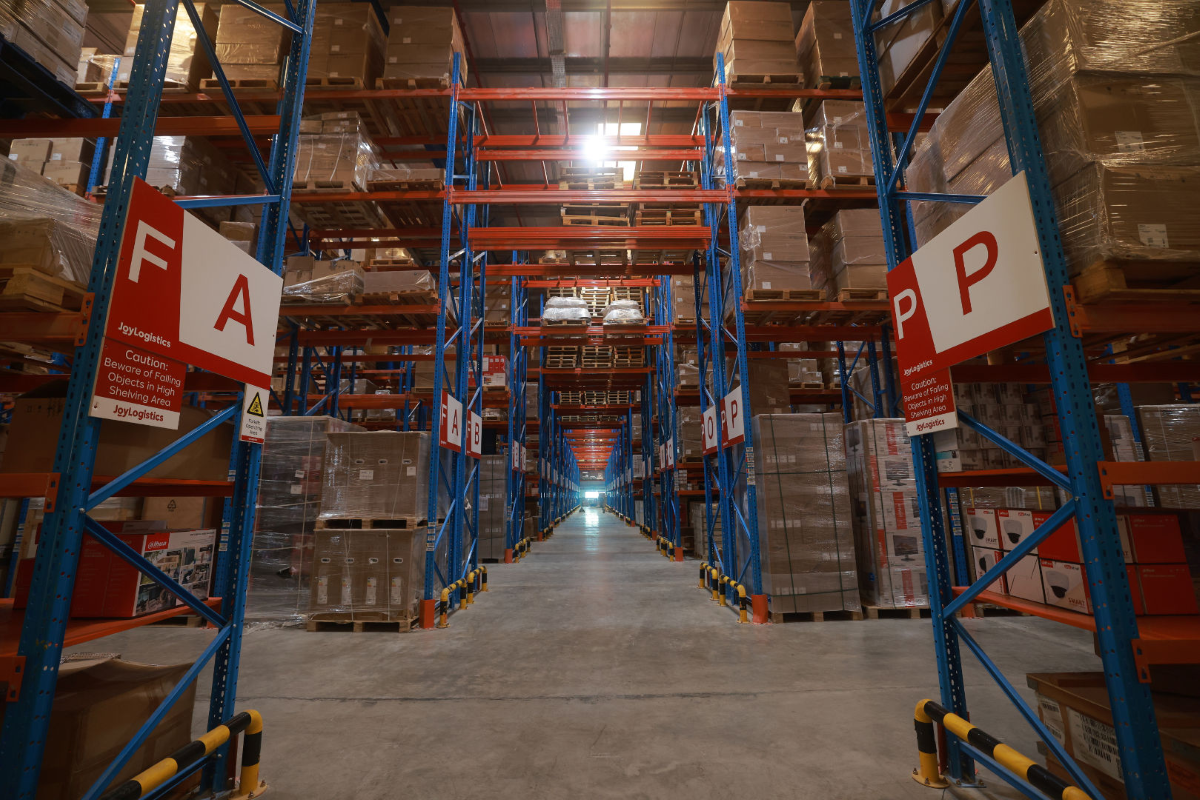
- Launching a new storage and redistribution zone at King Abdulaziz Port in Dammam, offering fee exemptions for up to 60 days on container storage for GCC-origin or GCC-destined trade;
- Developing new cargo corridors linking eastern Saudi ports—including King Abdulaziz Port—with Jeddah Islamic Port to balance regional port capacity and reduce inland transit times;
- Providing logistical and regulatory support for GCC-flagged flights operating across Saudi airports, including priority handling and streamlined slot coordination;
- Implementing temporary maritime exemptions to sustain vessel call frequency and avoid port congestion during periods of regional volatility.
Infrastructure and Multimodal Expansion
Beyond regulatory adjustments, Saudi Arabia is advancing physical connectivity: it has facilitated large-scale passenger and cargo transport operations across land, air, and sea domains; expanded international shipping routes serving GCC markets; and launched a new rail logistics corridor operated by Saudi Arabia Railways (SAR). This rail link directly connects key GCC ports—including Dammam, Jubail, and Ras Al Khair—to inland distribution nodes and Jeddah, enabling intermodal transfers and reducing road dependency for long-haul freight.
Practitioner Implications
For global supply chain professionals managing GCC-related flows, these changes lower landed cost variables—particularly dwell time, demurrage exposure, and repositioning inefficiencies. The 60-day storage exemption at King Abdulaziz Port offers flexibility for inventory staging ahead of peak demand or customs clearance delays. The 22-year truck lifespan rule may expand available compliant fleet capacity in regional haulage, though operators must verify vehicle certification standards with local authorities. Meanwhile, SAR’s rail corridor presents a viable alternative to congested highways for containerized goods moving between eastern and western Saudi gateways—a shift that could improve on-time performance and reduce carbon intensity per ton-kilometer. Notably, these measures follow similar recent infrastructure investments by UAE-based DP World (e.g., expansion of Jebel Ali’s cold chain facilities) and Qatar’s 2023 National Logistics Strategy, which also prioritized multimodal integration and refrigerated capacity. According to www.cbnme.com, Saudi Transport Minister Saleh Al-Jasser stated: “These steps are not isolated reforms—they are interconnected enablers designed to make GCC logistics faster, more predictable, and globally competitive.” — Saleh Al-Jasser, Saudi Transport Minister
Source: www.cbnme.com
Compiled from international media by the SCI.AI editorial team.