According to www.rescue.org, the war in Iran and associated disruption to the Strait of Hormuz are severely disrupting fuel and aid supply chains across Africa, threatening life-saving humanitarian operations in multiple countries.
Immediate Operational Impacts
The International Rescue Committee (IRC) reports acute fuel shortages and price surges are already constraining field operations. In Nigeria, fuel prices have surged by nearly 50%, forcing IRC clinics to scale back services as generators become prohibitively expensive to run. Mobile health teams are reducing coverage, leaving vulnerable communities without care.
- Uganda: Rising fuel and transport costs are driving inflation and pushing food prices higher for vulnerable households.
- Sudan: $130,000 worth of pharmaceutical supplies — enough to support approximately 20,000 people — is stranded in Dubai due to shipping disruptions.
- Ethiopia: Fuel shortages and rising costs are restricting field movements, delaying transport of program supplies, and increasing risk of missed implementation deadlines.
- Somalia: 668 boxes of ready-to-use therapeutic food (RUTF), valued at $34,700, are stranded in India — a shipment that could save over 1,000 severely malnourished children.
- Democratic Republic of Congo (DRC): Fuel price spikes and distribution disruptions are reducing mobility, increasing logistics costs, and delaying aid delivery — with knock-on impacts on health and protection services.
Cascading Humanitarian Consequences
In Kenya’s Kakuma refugee camp — where IRC is the largest provider of health services for over 200,000 people — diesel shortages are disrupting power for oxygen concentrators, vaccine cold chains, ambulance referrals, and emergency maternal surgery. Water systems reliant on fuel-powered boreholes are also at risk, raising disease outbreak potential. In Somalia’s Galmadug region, operational expenses have risen by up to 30%, reducing field presence and delaying life-saving nutrition treatment.
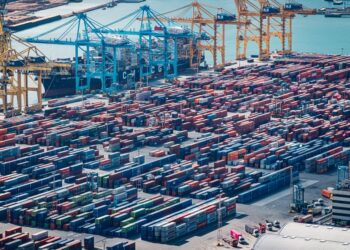
Rerouting around the Cape of Good Hope — due to Red Sea and Middle East disruptions — adds weeks to delivery times and drives up freight costs. The IRC warns these shocks compound last year’s significant global cuts to humanitarian funding, straining an already overstretched sector.
“This is how a global crisis becomes a humanitarian one. Fuel shortages and supply delays don’t stay contained, they ripple outward, shutting down services, driving up food prices, and cutting off access to care.” — Bob Kitchen, IRC Vice President for Emergencies
Fuel shocks are also pushing up fertilizer prices, threatening planting seasons across multiple regions. For displaced and crisis-affected households, this means eating less, earning less, and facing fewer coping options — turning logistical breakdowns into survival threats.
Source: www.rescue.org
Compiled from international media by the SCI.AI editorial team.