Skip to content

Coverage desk

Strategic Sourcing

128 published stories

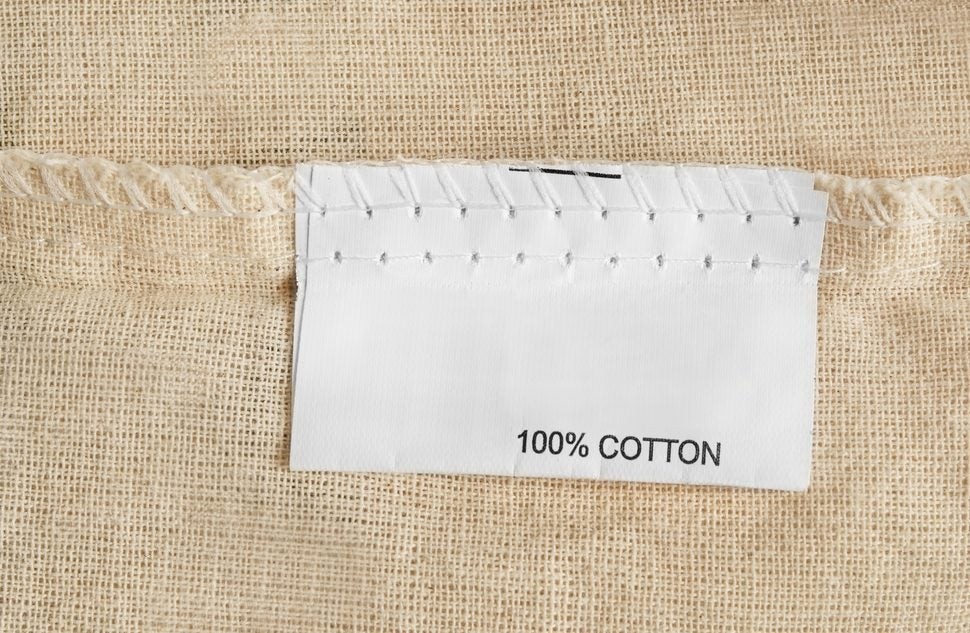
Gap sources 100% sustainable cotton, cuts renewable power to 46%
Strategic Sourcing

Gap sources 100% sustainable cotton, cuts renewable power to 46%

Gap Inc. achieved 100% sustainable cotton sourcing and 65% recycled polyester use in fiscal 2025, per its June 2026 Impact Report. However, renewable electricity use for company-operated facilities fell to 46% — down from 52% in fiscal 2024 — and Scope 3 emissions rose 2.1%, while Scope 1 and 2 emissions dropped 7.3%. The retailer aims to double traceable U.S.-grown cotton via TextileGenesis. Published July 28, 2026, the findings highlight persistent gaps between material sustainability and energy-related decarbonization in global apparel supply chains.

Apparel Sourcing Nearshores, AI Use Triples by 2028
Strategic Sourcing

Apparel Sourcing Nearshores, AI Use Triples by 2028

A new USFIA Fashion Benchmark Study, co-developed with Dr. Sheng Lu and Emilie Delaye, identifies four key apparel sourcing trends through 2028: accelerated nearshoring (with India’s U.S. import share rising to 12.4% in 2025), AI adoption tripling to 89% by 2028, India becoming the top beneficiary of sourcing reallocation (41% YoY UK export growth in Q1 2026), and ESG metrics transforming supplier selection (76% of managers now require verified water-use data). The report also highlights $30 million in Lululemon-MAS-backed funding for nylon recycling and a 37% reduction in audit cycle times using blockchain traceability.

India’s Corporate Bill Cuts Category III AIF Tax from 39% to 35%
Strategic Sourcing

India’s Corporate Bill Cuts Category III AIF Tax from 39% to 35%

India’s Corporate Laws (Amendment) Bill, 2026 — now before Parliament’s Joint Parliamentary Committee — would let Sebi-regulated Category III AIFs convert from trusts to LLPs, cutting their effective tax rate from 39% to 35%. The move addresses long-standing structural hurdles but leaves carried interest taxation unresolved. Category III AIFs raised ₹3.15 trillion as of March 2026. Experts estimate a 3–5% tax arbitrage, though confidentiality concerns and transition costs may limit adoption to selective funds. The bill does not alter the 30% base tax or clarify carry treatment.

Mondelēz hits 100% cocoa, palm oil goals but dairy welfare slips to 65%
Strategic Sourcing

Mondelēz hits 100% cocoa, palm oil goals but dairy welfare slips to 65%

Mondelēz International achieved 100% certified sustainable sourcing for cocoa and palm oil in 2025 but saw dairy supply from animal-welfare-compliant suppliers drop from 67% to 65%. The Cocoa Life program now covers 230,000 farmers across six countries. Industry-wide, dairy lags behind due to fragmented certification standards and low digital adoption among smallholders. Mondelēz maintains its 2025 deadline but cites supplier onboarding and regional audit capacity as key constraints.

Trump Order Mandates 100% Domestic Sourcing for Critical Defense Materials
Strategic Sourcing

Trump Order Mandates 100% Domestic Sourcing for Critical Defense Materials

A Trump-era executive order mandates 100% domestic sourcing for critical defense materials—including rare earths and semiconductor precursors—and strengthens supply chain oversight across the Department of Defense, Energy, and Commerce. Concurrently, a new AI security strategy enables voluntary pre-release government access to frontier models for national security assessment—without mandatory licensing. Government ransomware attacks rose 13% globally to 187 incidents in the first half of 2026, underscoring urgent gaps in OT-focused vulnerability management. Implementation deadlines include DLA certification by Q3 2025 and agency compliance roadmaps due within 90 days.

Leidos, DHL ink alliance to bid for UK MOD’s 10-year defense logistics contract
Strategic Sourcing

Leidos, DHL ink alliance to bid for UK MOD’s 10-year defense logistics contract

Leidos and DHL Supply Chain have formed the Logistics & Mission Support Alliance to bid for the UK Ministry of Defence’s 10-year Future Defence Support Services (FDSS) contract, launching in Q2 2026. The partnership integrates Leidos’ defense systems expertise with DHL’s global logistics scale and digital capabilities—including AI, data analytics, and automation—to enhance supply chain resilience, visibility, and agility across over 40 UK military sites. Adam Clarke, CEO of Leidos UK & Europe, and Martin Willmor, CEO of DHL Supply Chain UK&I, jointly emphasized data-driven decision-making and rapid response capacity in contested environments. The MOD aims to replace legacy logistics frameworks established in 2014.

J&J to spend up to $750M restructuring pharma supply chain
Strategic Sourcing

J&J to spend up to $750M restructuring pharma supply chain

Johnson & Johnson is spending up to $750 million to restructure its pharmaceutical supply chain through 2029, including site exits and asset impairments. The move supports its $55 billion U.S. investment plan, featuring a $2 billion biologics facility in Wilson, North Carolina; a $1 billion+ cell therapy site in Pennsylvania; and over $1 billion for vision product expansion in Jacksonville, Florida. J&J reported $25.3 billion in Q2 2026 sales and raised its full-year revenue target to $101 billion.

RTS Link to Raise Singaporean Spending in Johor Bahru by $813M Annually
Strategic Sourcing

RTS Link to Raise Singaporean Spending in Johor Bahru by $813M Annually

A joint study by the Singapore Business Federation, Restaurant Association of Singapore, and Singapore Retailers Association projects that the upcoming Johor Bahru–Singapore Rapid Transit System (RTS) Link will drive US$813 million in additional annual spending by Singaporeans in Johor Bahru. The rail link is expected to add 11.2 million round trips annually from Singapore and boost daily ridership to 39,700. It also forecasts S$756 million more spent by Johor Bahru residents in Singapore. Current cross-border traffic stands at 19.4 million round trips from Singapore and 5.9 million in reverse. SBF CEO Kok Ping Soon called the shift 'structural', urging businesses to enhance offerings and productivity amid intensifying regional competition.

Texworld Paris 2026 hosts 1,000+ exhibitors amid knit supply chain shift
Strategic Sourcing

Texworld Paris 2026 hosts 1,000+ exhibitors amid knit supply chain shift

Texworld Apparel Sourcing Paris returns 31 August–2 September 2026 at Paris-Le Bourget Exhibition Centre, drawing over 1,000 exhibitors. The 59th edition reflects a strategic pivot toward quality, flexibility, and tech-enabled partnerships in knit supply chains. Key developments include Shima Seiki’s automotive cutter, Santoni-UTO’s seamless apparel collaboration, Cixing’s acquisition of Stoll, and the launch of a unified Textile Innovation Center. The knitting machines market is forecast to hit US$9.7 billion by 2033.

Fashion Sourcing Shifts as Climate Cuts Cotton Yields 12%
Strategic Sourcing

Fashion Sourcing Shifts as Climate Cuts Cotton Yields 12%

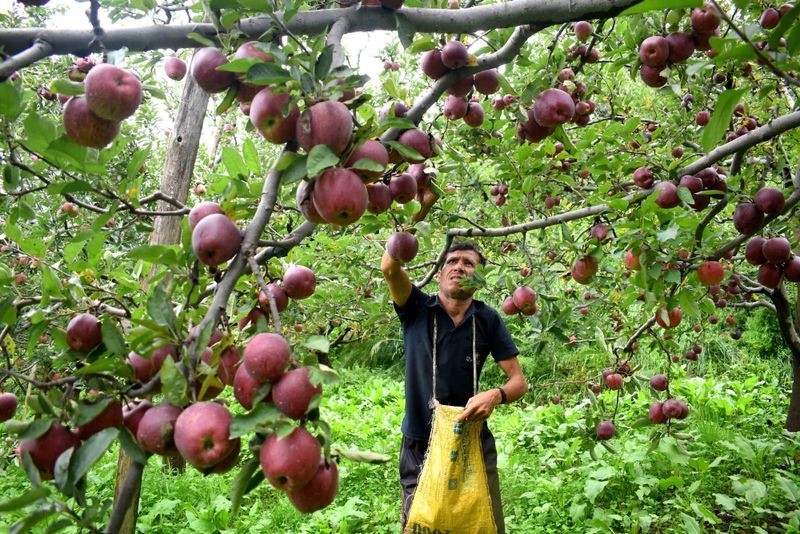
Climate change is reducing global cotton yields by 12%, according to Cotton Connect CEO Alison Ward’s July 2026 analysis. Fashion brands are responding with accelerated adoption of recycled fibres and regenerative farming partnerships — including Fast Retailing’s push to source 50% sustainable or recycled cotton by FY2026 and Kraig Labs’ 12,000-hectare pilot in Uzbekistan and Greece. Meanwhile, 63% of apparel procurement teams now use climate-risk scoring tools, and UK forced labour legislation looms within three years.

King Yuan Electronics pledges up to $1.4 billion for US chip packaging plant
Strategic Sourcing

King Yuan Electronics pledges up to $1.4 billion for US chip packaging plant

King Yuan Electronics, a key Nvidia supplier, will invest up to $1.4 billion in a U.S. semiconductor packaging facility to strengthen AI chip supply chain resilience. The move follows surging demand—ByteDance plans $14.29 billion in Nvidia chip purchases in 2026—and U.S. export controls restricting advanced chip shipments to Chinese firms. The investment addresses critical bottlenecks in advanced packaging and supports nearshoring goals under the CHIPS Act. It marks one of the largest OSAT commitments in the U.S., reducing dependency on Asian packaging hubs.

India’s Manufacturing Growth Rises to 4.15% Amid Supply Chain De-Risking
Strategic Sourcing

India’s Manufacturing Growth Rises to 4.15% Amid Supply Chain De-Risking

India’s manufacturing growth rose to 4.15% between 2022 and 2025—up from 3.44% pre-pandemic—propelling it two points above the global average. Over 180 companies have relocated supply chain operations amid rising geopolitical risk, with ASSOCHAM citing infrastructure upgrades, the PLI scheme, and India’s 2025 inclusion in JPMorgan’s global bond index as key enablers. PwC India reports two-thirds of Indian CEOs are adjusting sourcing strategies, while Maersk highlights AI-driven risk sensing and digital twins cutting disruption response time from weeks to hours. Verizon’s 2025 report shows a 34% YoY rise in cyber incidents tied to software flaws.

Welcome Back!

Login to your account below

Create New Account!

Fill the forms below to register

Retrieve your password

Please enter your username or email address to reset your password.

Add New Playlist