Apple’s decision to redraw its supply chain and shift India-made iPhones away from the UAE hub amidst Gulf tensions marks a significant strategic move in the global tech landscape. This article delves into the reasons behind this shift, its implications for the tech industry, and the broader context of geopolitical risks and globalization.
Geopolitical Tensions as a Catalyst for Supply Chain Redraw
Amidst the escalating tensions in the Gulf region, Apple’s decision to reevaluate its supply chain is not surprising. The UAE, traditionally a hub for Apple’s manufacturing and assembly operations, has become a focal point of geopolitical instability. The shift towards India is a strategic move to diversify Apple’s supply chain and reduce its dependence on a single region. This decision underscores the increasing importance of geopolitical stability in global supply chains.
India’s strategic location, growing infrastructure, and skilled workforce make it an attractive alternative for Apple. The country’s government has also shown its commitment to fostering the tech industry, providing incentives and creating a conducive environment for foreign investment. This move reflects Apple’s ability to adapt to changing geopolitical landscapes and maintain operational resilience.

India’s Ascendancy in Global Tech Manufacturing
India’s emergence as a key player in global tech manufacturing is a result of several factors. Firstly, the country’s skilled workforce, particularly in the IT and engineering sectors, provides a competitive advantage. Additionally, the Indian government’s focus on promoting the tech industry, coupled with infrastructure development, has created a conducive environment for foreign investment.
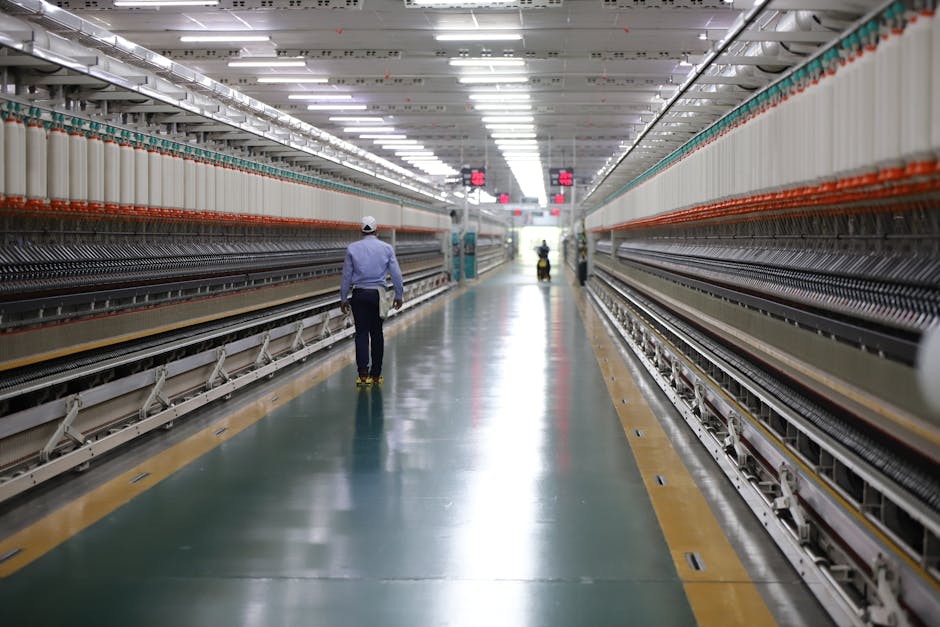
Apple’s shift to India is part of a broader trend of companies moving manufacturing operations to the subcontinent. This trend is driven by the combination of low labor costs, a growing middle class, and the government’s commitment to digital transformation. India’s ascension as a manufacturing hub is expected to have a significant impact on the global tech landscape, potentially altering traditional supply chain dynamics.

Impact on Apple’s Supply Chain and Operations
Apple’s decision to shift its India-made iPhones away from the UAE hub is expected to have several implications for the company’s supply chain and operations. Firstly, it will enhance Apple’s operational resilience by reducing its dependence on a single region. This shift also opens up new opportunities for Apple to leverage India’s growing market potential.
However, the transition to India’s supply chain may not be without challenges. The company will need to navigate the complexities of the Indian market, including regulatory hurdles and logistical challenges. Despite these challenges, the strategic benefits of diversifying the supply chain outweigh the potential risks. This move is likely to strengthen Apple’s position as a leader in the global tech industry.

Global Supply Chain Dynamics and Geopolitical Risks
The shift of Apple’s supply chain to India is a testament to the evolving dynamics of global supply chains. Geopolitical risks have become a critical factor in supply chain management, compelling companies to reevaluate their strategies. The increasing interconnectedness of global economies has made companies more vulnerable to geopolitical instability.
As companies like Apple continue to navigate the complex landscape of global supply chains, they will need to prioritize resilience, adaptability, and diversification. This shift towards more regionalized and diversified supply chains is likely to become a standard practice in the tech industry, driven by the need to mitigate geopolitical risks.
Conclusion
Apple’s strategic supply chain shift, moving India-made iPhones away from the UAE hub amidst Gulf tensions, is a significant move in the global tech landscape. It highlights the importance of geopolitical stability in global supply chains and underscores India’s growing importance as a manufacturing hub. As companies continue to navigate the complex landscape of global supply chains, the need for resilience, adaptability, and diversification will become increasingly important.
Source: www.moneycontrol.com
This article was AI-assisted and reviewed by our editorial team.