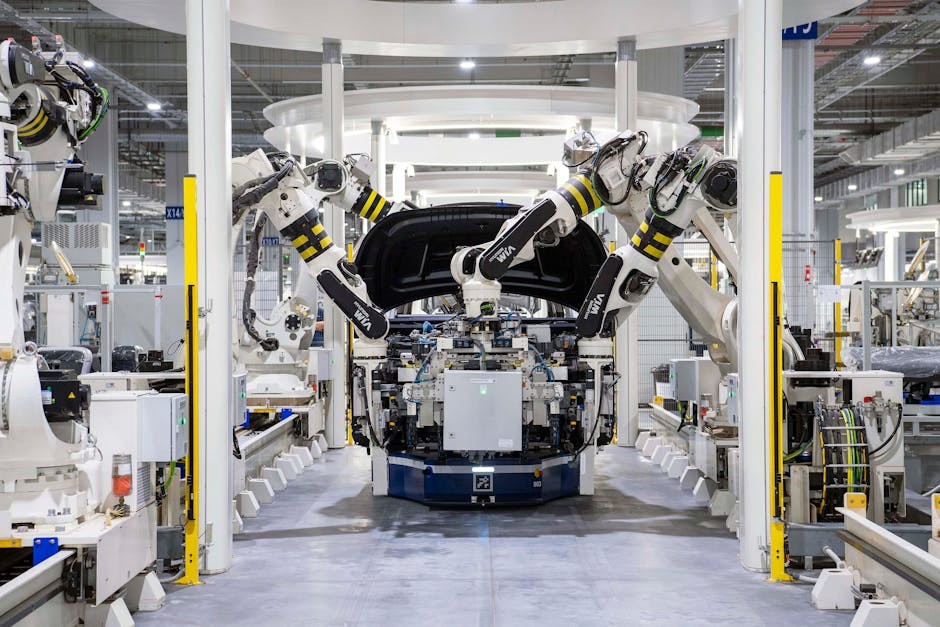
The automotive industry is undergoing a significant transformation, with manufacturers accelerating their investment in robotics and automation to maintain a competitive edge. ABB Robotics’ latest survey reveals that the shift towards intelligent factories is no longer a future ambition but an essential strategy for survival in a dynamic and challenging environment.
The Rising Tide of Automation Investment
ABB Robotics’ survey highlights that nearly one-third of automotive industry decision-makers are planning to increase their investment in automation and robotics in the coming year. This surge in investment is driven by a combination of factors, including the need to control costs, address workforce shortages, and enhance energy efficiency.
Cost control remains a top priority for manufacturers, with 33 percent of respondents identifying it as their single most important strategic goal. This is closely followed by workforce pressures, cited by 30 percent of respondents, and energy and material costs, which are a concern for 34 percent. These challenges underscore the need for more efficient and resilient production processes.
The survey also reveals a growing interest in a wider range of automation technologies. Collaborative robots (cobots) are particularly well-suited for repetitive assembly tasks, while autonomous mobile robots (AMRs) and automated guided vehicles (AGVs) are increasingly valued for their ability to move parts and materials safely and efficiently.
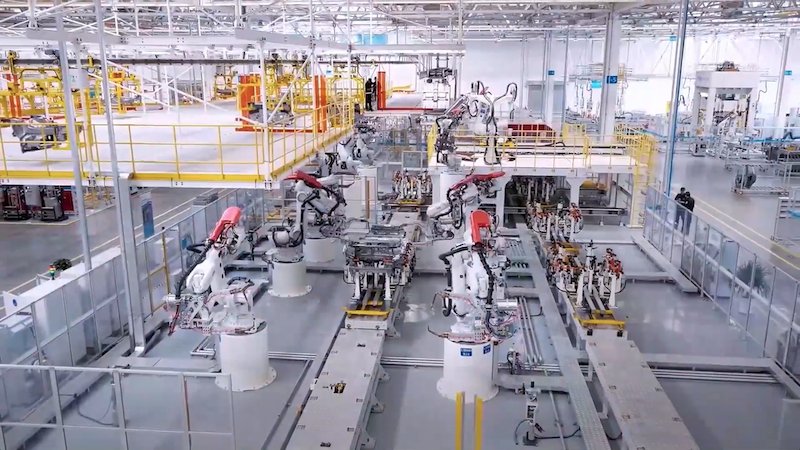
The Impact of Automation on Workforce and Energy Efficiency
The integration of automation technologies is not just about reducing costs; it also addresses critical workforce and energy efficiency challenges. For instance, cobots can work safely alongside human operators, improving consistency and throughput while reducing the physical toll on workers. AMRs and AGVs, on the other hand, can significantly reduce manual handling, streamline intralogistics, and lower energy consumption by optimizing material movement.
According to Joerg Reger, managing director of ABB Robotics automotive business line, ‘Manufacturers are investing more selectively and more intelligently in automation. Energy-efficient robots, flexible automation cells, cobots, and autonomous mobile robots all play a role in helping factories do more with less – increasing productivity while keeping costs and energy consumption under control.’
This shift towards intelligent factories is not just a trend but a necessity. The survey findings suggest that intelligent, automation-led manufacturing is becoming a central pillar of automotive production strategies worldwide.
The Broader Shift Towards Intelligent Factories
The adoption of more autonomous and versatile robotics (AVRTM) represents a broader shift towards intelligent factories. These factories are characterized by their ability to respond quickly and effectively to cost, labor, and energy pressures while maintaining productivity and resilience. This shift is driven by several key factors:
- The need for cost control and tighter budget management
- The challenge of labor shortages and rising wage costs
- The critical concern of energy and material costs
As these challenges continue to intensify, manufacturers are increasingly turning to automation technologies to enhance their competitiveness. The survey findings suggest that intelligent automation is not just a tool for improving efficiency but a critical strategy for the future of automotive manufacturing.
The Role of Collaborative Robots and Autonomous Mobile Robots
Collaborative robots (cobots) and autonomous mobile robots (AMRs) are playing a crucial role in this transformation. Cobots are particularly well-suited for tasks that require repetitive movements and precision, such as assembly and packaging. AMRs, on the other hand, are increasingly valued for their ability to move parts and materials more safely and efficiently, reducing manual handling and streamlining intralogistics.
The benefits of cobots and AMRs are numerous. They can work safely alongside human operators, reducing the physical toll on workers and improving consistency and throughput. They can also help reduce energy consumption by optimizing material movement and reducing manual handling.
These technologies are not just about improving efficiency; they are also about creating a safer and more sustainable workplace. By automating repetitive and dangerous tasks, cobots and AMRs can help reduce workplace accidents and injuries.
The Future of Automotive Manufacturing
The survey findings suggest that the future of automotive manufacturing is bright for those who embrace automation and intelligent factories. Manufacturers that invest in these technologies will be better equipped to respond to the challenges of the future, including rising costs, labor shortages, and changing consumer demands.
However, the transition to intelligent factories is not without its challenges. It requires significant investment in technology and training. It also requires a shift in mindset, as manufacturers need to embrace a culture of continuous improvement and innovation.
In conclusion, the shift towards automation and intelligent factories is a critical strategy for automotive manufacturers looking to remain competitive in a dynamic and challenging environment. By investing in technology, training, and a culture of innovation, manufacturers can create a more efficient, sustainable, and resilient future.
Source: roboticsandautomationnews.com
This article was AI-assisted and reviewed by our editorial team.