According to supplychaindigital.com, Nestlé has opened its largest U.S. distribution centre in Arvin, California — a 700,000 square foot facility representing a $300 million investment and the company’s second automation-focused U.S. hub.
Digital infrastructure and operational scale
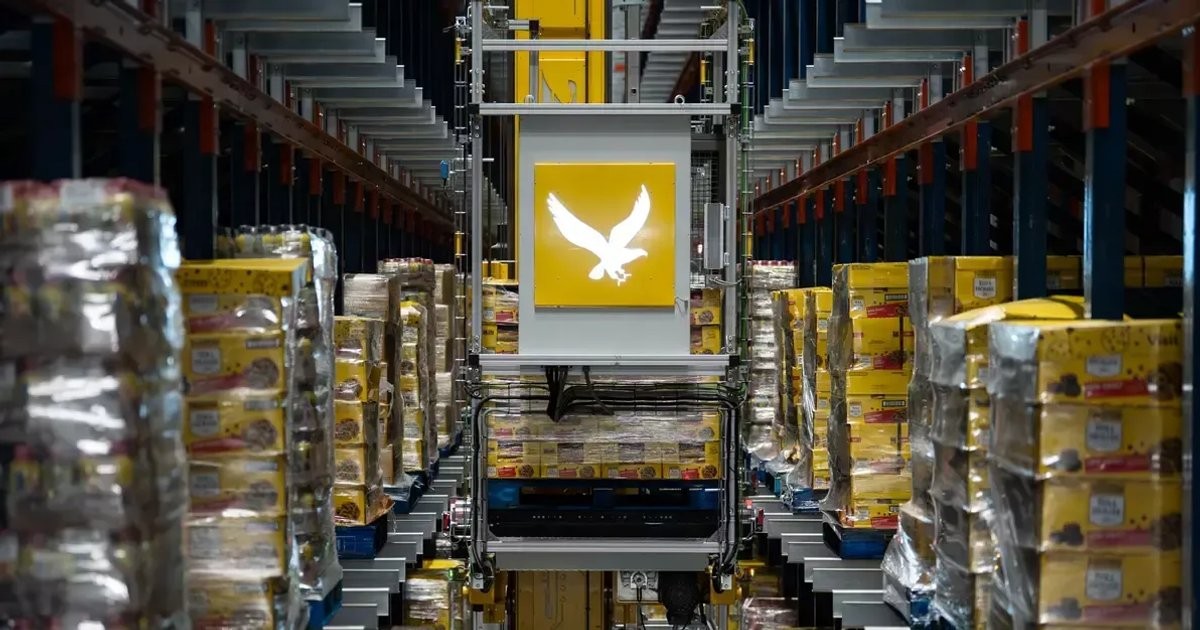
The Arvin facility is described by Nestlé as its most technologically sophisticated distribution centre to date in the United States. It serves major consumer brands including Nestlé Toll House, Coffee mate, and Gerber. The site deploys the most extensive automated storage and retrieval system (AS/RS) across Nestlé’s global network — a system engineered to manage the full manufacturing cycle for shelf-stable goods. This automation supports demand surges during peak seasonal periods while reducing manual handling. According to the report, the technology enhances workplace safety by minimising physically demanding and repetitive tasks, enabling a strategic shift toward employee technical training, upskilling, and career advancement pathways.
Leadership and strategic commitment
Marty Thompson, Chief Executive Officer of Nestlé USA, stated: “Our investment in the new Arvin Distribution Centre reflects how we’re building Nestlé for the future, modernising our supply chain and delivering for our customers and consumers with greater speed and precision.” He added: “This state-of-the-art, digitally enabled facility enhances our ability to meet growing demand across our portfolio and reinforces our long term commitment to investing and growing in the United States.”
“Our investment in the new Arvin Distribution Centre reflects how we’re building Nestlé for the future, modernising our supply chain and delivering for our customers and consumers with greater speed and precision.” — Marty Thompson, Chief Executive Officer of Nestlé USA
Sustainability and community impact
The opening of the centre has generated more than 110 jobs in the Arvin community. Sustainability is embedded across operations: Nestlé plans to source 100% of the facility’s electricity from renewable sources — primarily solar and wind power — and will divert waste from landfills through recycling, composting, or energy recovery. The project aligns with Nestlé’s broader U.S. capital commitment: a $25 billion investment in American facilities over ten years, launched in 2020. The first facility under this initiative was Nestlé’s beverage manufacturing and distribution site in Glendale, Arizona.
Supply chain performance metrics
According to Nestlé’s Annual Report 2025, the company achieved 13.5% organic growth in its e-commerce infrastructure during 2025, a segment now accounting for more than 20% of the group’s total sales. Overall organic growth for the year stood at 3.5%, driven by a 5.4% increase in emerging markets and 2.3% in developed markets. To offset inflationary pressures on key inputs like cocoa and coffee, Nestlé implemented a 2.8% price adjustment. Anna Manz, Nestlé’s Chief Financial Officer and Head of Integrated Business Services, emphasized innovation as central to growth strategy: “Driving growth through innovation is a top priority. We are transforming our business to invest more boldly in the best opportunities.”
“Driving growth through innovation is a top priority. We are transforming our business to invest more boldly in the best opportunities.” — Anna Manz, Chief Financial Officer and Head of Integrated Business Services, Nestlé
Strategic integration and forward focus
Beyond logistics automation, Nestlé is advancing digital capabilities across its end-to-end supply chain and strengthening research and development functions. The Arvin centre exemplifies an integrated approach — combining physical infrastructure, workforce development, sustainability targets, and data-driven responsiveness. Its design directly supports scalability in high-demand channels, especially direct-to-consumer and retail replenishment flows. As the company continues executing its decade-long U.S. investment plan — now entering its sixth year since launch in 2020 — the facility serves as both an operational benchmark and a model for next-generation distribution architecture in North America.
Source: supplychaindigital.com
Compiled from international media by the SCI.AI editorial team.