The global warehouse robotics market is poised for unprecedented growth, driven by the rapid evolution of modern logistics and the increasing demand for automation. According to a recent report from Morningstar/Access Newswire, the market is projected to expand from $1.8 billion in 2025 to $6.6 billion by 2035, representing a compound annual growth rate (CAGR) of 13.8%. This significant growth trajectory underscores the transformative impact of automation on warehouse operations, as businesses worldwide seek to enhance efficiency, reduce costs, and meet the escalating demands of e-commerce and supply chain digitalization.
The Global Warehouse Robotics Market: A Decade-Long Growth Trajectory from $1.8B to $6.6B
The projected growth of the warehouse robotics market is not merely a statistical trend but a reflection of broader industry shifts. The market’s expansion from $1.8 billion to $6.6 billion over the next decade is driven by several key factors, including the rapid adoption of automation technologies, the increasing complexity of supply chains, and the growing need for operational efficiency. This growth is expected to be sustained by continuous innovation in robotics and artificial intelligence (AI), which are enabling more sophisticated and cost-effective solutions for warehouse automation.
The market’s growth is also supported by the increasing availability of data and analytics, which are helping businesses optimize their warehouse operations. By leveraging data-driven insights, companies can identify inefficiencies, streamline processes, and enhance overall performance. This data-centric approach is particularly important in the context of warehouse robotics, where real-time monitoring and predictive analytics can significantly improve decision-making and operational outcomes.
Three Key Drivers: E-commerce Boom, Labor Shortages, and Supply Chain Digitalization
The warehouse robotics market is being propelled by three primary drivers: the e-commerce boom, labor shortages, and supply chain digitalization. The e-commerce sector has experienced explosive growth in recent years, with global online sales reaching unprecedented levels. This surge in e-commerce activity has created a pressing need for efficient and scalable warehouse solutions, as traditional manual operations struggle to keep pace with the volume and speed of online orders.
Labor shortages represent another critical driver of warehouse robotics adoption. In many regions, particularly in developed economies, the availability of skilled warehouse workers is declining, while labor costs are rising. This combination of factors is pushing businesses to invest in automation as a means of maintaining operational continuity and controlling costs. Warehouse robotics offer a viable solution by reducing reliance on human labor and enabling 24/7 operations without the constraints of shift schedules or fatigue.
Supply chain digitalization is the third key driver, as businesses increasingly adopt digital technologies to enhance visibility, coordination, and efficiency across their supply chains. The integration of robotics with digital platforms, such as warehouse management systems (WMS) and enterprise resource planning (ERP) systems, is enabling seamless data exchange and real-time decision-making. This digital transformation is not only improving operational efficiency but also creating new opportunities for innovation and competitive advantage.
Technology Frontier: How Autonomous Mobile Robots (AMRs) Are Reshaping Warehouse Operations
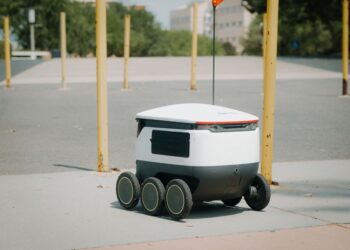
Autonomous Mobile Robots (AMRs) are at the forefront of warehouse robotics innovation, accounting for 44.4% of the market share. Unlike traditional Automated Guided Vehicles (AGVs), which rely on fixed paths and infrastructure, AMRs are equipped with advanced sensors and AI algorithms that enable them to navigate dynamically and adapt to changing environments. This flexibility makes AMRs particularly well-suited for modern warehouses, where layout changes and operational adjustments are common.
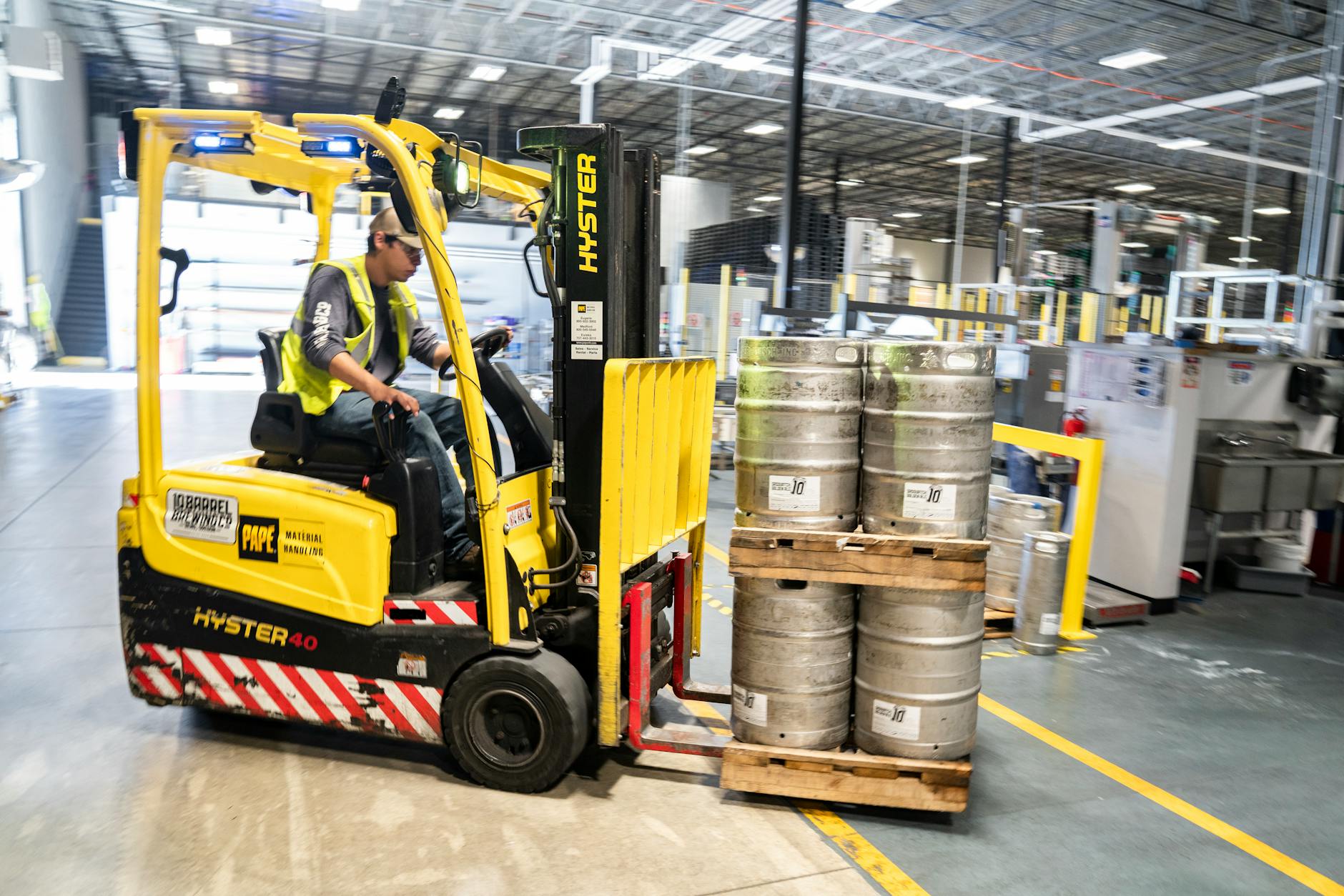
AMRs are revolutionizing warehouse operations by enabling more efficient material handling, inventory management, and order fulfillment. These robots can autonomously transport goods between storage areas, picking stations, and shipping docks, reducing the need for manual intervention and minimizing the risk of errors. Additionally, AMRs can collaborate with human workers and other robotic systems, creating a hybrid workforce that leverages the strengths of both humans and machines.
The adoption of AMRs is also driving improvements in warehouse safety and ergonomics. By automating repetitive and physically demanding tasks, AMRs reduce the risk of workplace injuries and improve overall working conditions. This not only benefits employees but also enhances operational efficiency by minimizing downtime and reducing costs associated with accidents and worker compensation.
The Picking Revolution: AI Vision and Robotic Arm Precision Coordination
Picking and placing operations represent a critical component of warehouse robotics, accounting for 38.6% of the market share. The integration of AI vision systems and robotic arms has revolutionized this aspect of warehouse automation, enabling unprecedented levels of accuracy, speed, and flexibility. AI vision systems use advanced algorithms to identify and locate items within a warehouse, even in complex and cluttered environments.
Robotic arms, equipped with sophisticated grippers and sensors, can then precisely pick and place items with minimal human intervention. This coordination between AI vision and robotic arms is particularly valuable in e-commerce fulfillment, where order volumes are high, and product variety is extensive. By automating the picking process, businesses can significantly reduce order processing times, improve accuracy, and enhance customer satisfaction.
The picking revolution is also being driven by advancements in machine learning and computer vision, which are enabling robots to handle a wider range of products and packaging types. For example, robots can now identify and manipulate items with irregular shapes, fragile materials, or variable sizes, expanding the scope of automation in warehouse operations. This capability is critical for businesses that deal with diverse product portfolios and need to maintain high levels of operational flexibility.
Regional Landscape: North America Leads, Asia-Pacific Catches Up in Global Competition
The warehouse robotics market exhibits distinct regional dynamics, with North America currently leading in adoption and innovation. The region’s dominance is driven by several factors, including a mature e-commerce ecosystem, high labor costs, and a strong focus on technological advancement. Companies in North America, particularly in the United States, have been early adopters of warehouse robotics, leveraging these technologies to gain competitive advantages in logistics and supply chain management.
Asia-Pacific is rapidly emerging as a key growth market for warehouse robotics, fueled by the region’s booming e-commerce sector and increasing investments in automation. Countries like China, Japan, and South Korea are at the forefront of this trend, with significant investments in robotics research, development, and deployment. The Asia-Pacific region’s large manufacturing base and growing consumer market are creating substantial demand for efficient warehouse solutions, driving the adoption of robotics across various industries.
Europe also represents a significant market for warehouse robotics, with countries like Germany, the United Kingdom, and France leading in adoption. The region’s focus on sustainability, regulatory compliance, and operational efficiency is driving investments in automation technologies. Additionally, Europe’s strong industrial base and advanced logistics infrastructure provide a solid foundation for the integration of robotics into warehouse operations.
From Cost Center to Strategic Asset: The ROI Paradigm Shift in Robotics Investment
The perception of warehouse robotics is undergoing a fundamental shift, from being viewed as a cost center to being recognized as a strategic asset. Traditionally, robotics investments were evaluated primarily based on their potential to reduce labor costs and improve operational efficiency. While these factors remain important, businesses are increasingly recognizing the broader strategic value of robotics, including their ability to enhance scalability, flexibility, and competitiveness.
This paradigm shift is reflected in the way companies measure the return on investment (ROI) for robotics projects. Beyond direct cost savings, businesses are now considering factors such as improved customer satisfaction, reduced error rates, and enhanced data analytics capabilities. By automating routine tasks, robotics free up human workers to focus on higher-value activities, such as problem-solving, innovation, and customer engagement.
The strategic value of robotics is also evident in their ability to support business growth and adaptation. In dynamic market environments, robotics provide the flexibility to scale operations up or down quickly, respond to changing customer demands, and enter new markets with minimal disruption. This agility is increasingly important in today’s fast-paced business landscape, where the ability to adapt quickly can be a key differentiator.
Beyond 2035: The Ultimate Vision and Challenges of Fully Automated Warehouses
Looking beyond 2035, the ultimate vision for warehouse robotics is the fully automated warehouse, where human intervention is minimal, and operations are seamlessly integrated across the entire supply chain. This vision encompasses not only the automation of physical tasks but also the integration of advanced AI, IoT, and data analytics to create intelligent, self-optimizing systems.
Achieving this vision will require overcoming several significant challenges. Technological integration is a primary hurdle, as fully automated warehouses will rely on the seamless coordination of diverse systems, including robotics, AI, IoT sensors, and data platforms. Ensuring interoperability and cybersecurity across these systems will be critical to their success.
Workforce transition is another key challenge, as the shift to fully automated warehouses will require significant changes in workforce skills and roles. Companies will need to invest in training and upskilling programs to prepare employees for new responsibilities, such as system monitoring, maintenance, and data analysis. Additionally, addressing the social and ethical implications of automation, including potential job displacement, will be essential for sustainable implementation.
Regulatory and ethical considerations will also play a significant role in the development of fully automated warehouses. Issues such as data privacy, safety standards, and the ethical implications of automation will need to be addressed through collaborative efforts between industry stakeholders, regulators, and policymakers.
Conclusion
The global warehouse robotics market is on a trajectory of significant growth, driven by a combination of market drivers, technological advancements, and regional dynamics. As the market continues to evolve, companies will need to adapt to the changing landscape, investing in automation technologies that can drive efficiency, enhance scalability, and provide a competitive edge.
For supply chain and logistics industry professionals, understanding the trends and challenges in the warehouse robotics market is crucial. As the industry moves towards fully automated warehouses, the opportunities for innovation and improvement are vast, but so are the challenges that need to be addressed.
Source: Morningstar/Access Newswire
This article was AI-assisted and reviewed by our editorial team.