Executive Summary
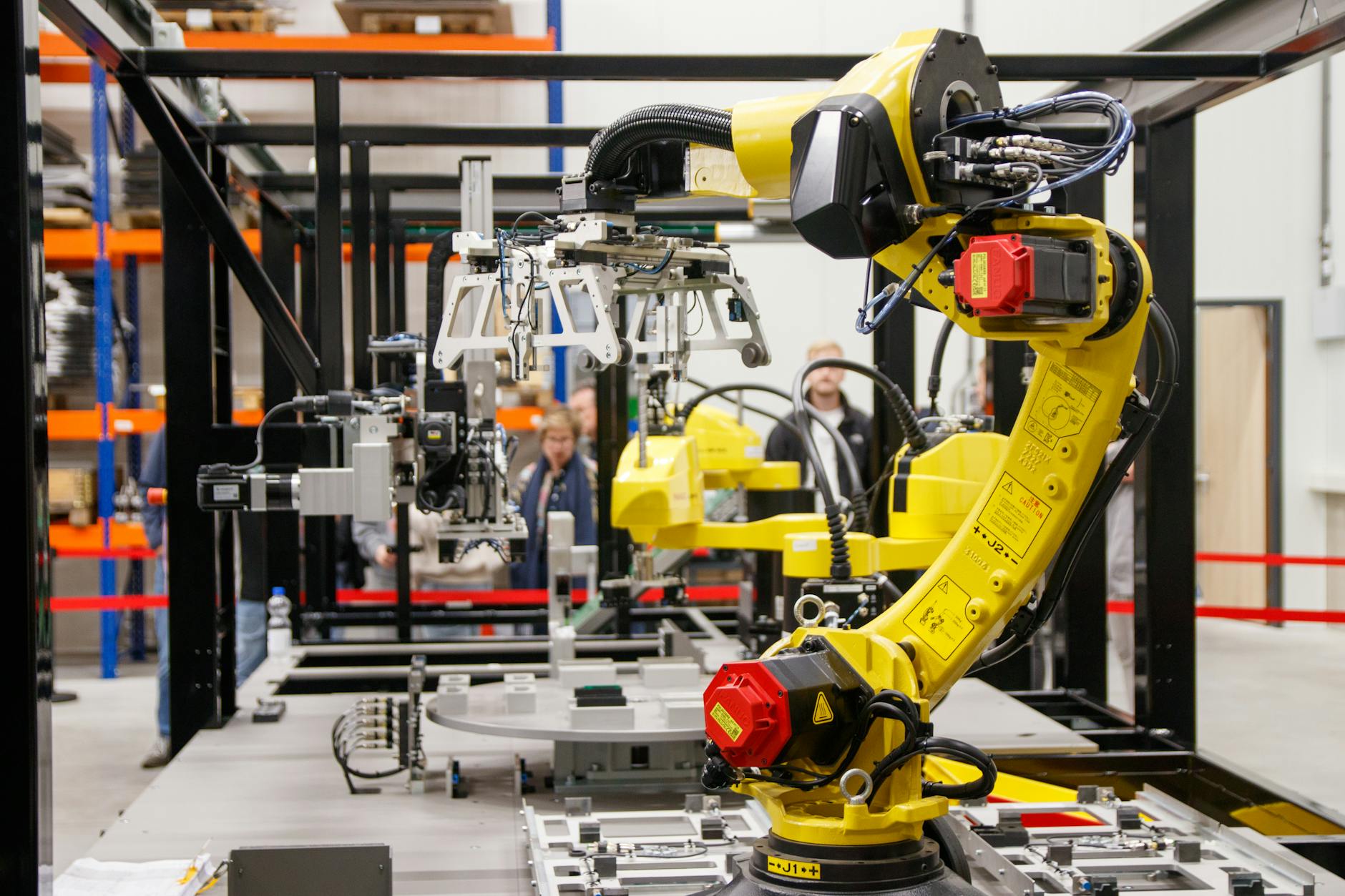
In the wave of Industry 4.0, Autonomous Guided Vehicles (AGVs) and Autonomous Mobile Robots (AMRs) have become the core drivers of manufacturing logistics transformation. In 2026, with breakthroughs in AI and machine learning technologies, AGV/AMR system penetration in global manufacturing plants is accelerating. From automotive manufacturing to electronics assembly, from warehousing to production line material handling, autonomous robots are redefining the efficiency boundaries of factory logistics.
AGV vs AMR: Technical Route Differences and Convergence
AGVs (Autonomous Guided Vehicles) typically operate along predefined paths, suitable for repetitive material transport tasks such as moving raw materials to production lines or transferring finished products to storage areas. They are equipped with sensors to avoid obstacles, ensuring safe and reliable operations.
AMRs (Autonomous Mobile Robots) are more advanced, capable of autonomous navigation in dynamic environments without fixed paths. This adaptability makes them excel in complex manufacturing settings where layouts change frequently. The 2026 trend shows that the technical boundaries between AGVs and AMRs are blurring, with hybrid systems becoming mainstream.
Manufacturing Logistics Efficiency Revolution
According to latest industry data, manufacturing enterprises deploying AGV/AMR systems have achieved significant efficiency improvements:
- Material handling efficiency increased by 40-60%
- Labor costs reduced by 30-45%
- Operations extended to 24/7 uninterrupted
- Error rates dropped below 0.1%
Xiaomi’s Beijing smartphone factory serves as a representative case. In the factory’s smart logistics center, AGVs equipped with sensors and AI-driven navigation systems efficiently transport components between storage areas and production lines without human intervention. This automation reduced production line changeover time from 45 minutes to 12 minutes.
Safety and Compliance Advantages
AGV/AMR technology significantly enhances factory safety by reducing accident risks associated with manual material handling. Advanced sensors and navigation systems enable them to detect and avoid obstacles, ensuring safe interactions with human workers and other machinery. This is crucial for maintaining a secure working environment and complying with industry regulations.
ROI and Challenges
Despite higher initial investment costs (especially for SMEs), AGV/AMR systems typically achieve payback within 12-18 months. Key challenges include:
- Significant upfront capital investment
- Need for seamless integration with existing processes and infrastructure
- Technical personnel training requirements
2026 and Future Outlook
Advances in AI and machine learning are expected to further enhance AGV/AMR capabilities, enabling more sophisticated decision-making and problem-solving. Industry forecasts indicate that by 2028, the global manufacturing AGV/AMR market will exceed $15 billion, with a compound annual growth rate exceeding 20%.
As technology costs decline and deployment simplifies, AGV/AMRs will expand from large manufacturing enterprises to SMEs, becoming standard configuration in manufacturing logistics.