**FedEx and UPS Must Adapt to the Evolving Package Market**
**Author: Satish Jindel**
_(The views expressed in this article are those of the author alone and do not represent the position of FreightWaves or its affiliates.)_
For decades, FedEx and UPS have operated almost as a duopoly in the U.S. package delivery market, earning substantial profits due to limited competition.
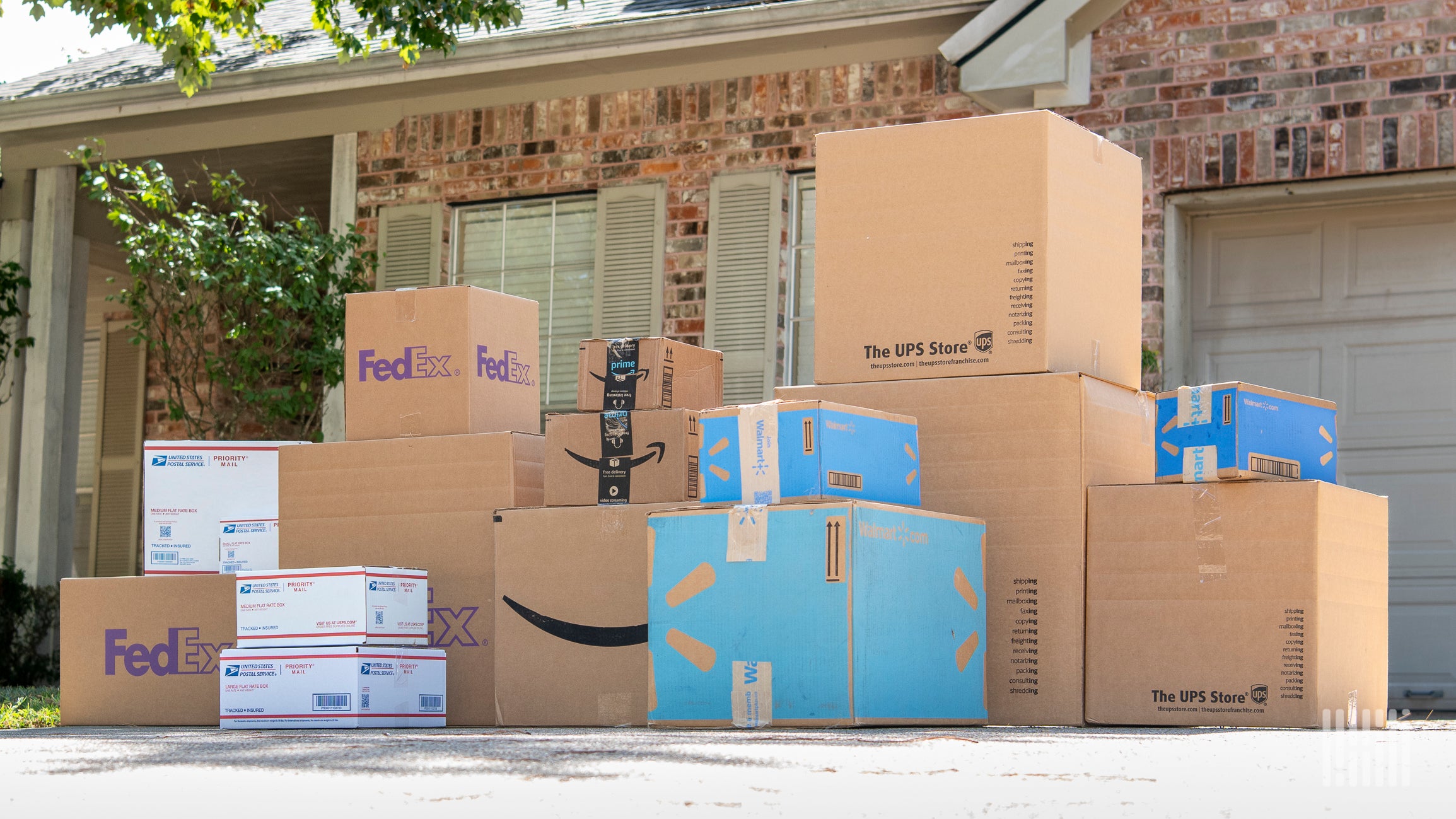
On July 23, UPS’s second-quarter earnings report surprised many investors, causing the stock to drop by 12% within minutes after the earnings call. The biggest surprise was that UPS customers were downgrading from air express services to ground services and further to lower-cost SurePost, an economical service involving delivery through the U.S. Postal Service for last-mile delivery.
If the market had paid attention to previous earnings calls where transport companies discussed their strategies, these changes should have been anticipated. Over recent years, both FedEx and UPS have promoted their improved ground services as faster than those of competitors. In doing so, they created competition for their own express and deferred services.
Since 2019, UPS has accelerated its ground delivery times, reducing delivery durations from three days to two on 12% of routes and shortening another 22% to two-day service. This shift encouraged more customers to downgrade from express or deferred services to ground delivery. Even SurePost, which takes one to two days longer than standard ground service, has seen a 7% improvement in transit times, prompting further downgrades.
The decline of express and deferred services actually began over two decades ago when FedEx acquired RPS (rebranded as FedEx Ground), and the industry started offering date-certain ground services. In 2000, FedEx’s Express unit handled around 2.92 million packages daily. By the fiscal year ending May 31, 2024, this number had dropped to 2.58 million parcels per day. Meanwhile, FedEx Ground’s daily volume increased from 1.52 million to over 10.7 million.
Additionally, investments in multi-carrier systems like ProShip and visibility/analytics services by companies such as ShipMatrix have enabled shippers to leverage cheaper and faster ground options.
A significant turning point was the explosive growth of e-commerce over the past decade, leading to 65% of domestic packages being delivered directly to consumers. Moreover, with more online orders fulfilled from local stores or Chinese retailers like Temu and Shein through gateway airports such as Miami, Los Angeles, Dallas, and Chicago, last-mile delivery in the U.S. is increasingly handled by smaller companies with lower cost structures, including Better Trucks, Jitsu, Veho, Uni-Uni, and SpeedX.
While these regional operators may eventually lose business to FedEx and UPS, growing regional competition forces the giants to operate within shorter transportation zones where profit margins are thinner, leading to reduced revenue per package.
Equally significant is the growth of private fleets among major retailers. Amazon uses its Delivery Service Partner network to deliver over 22 million packages daily through contracted drivers. Walmart is doing something similar.
“In the past year, Walmart delivered approximately 4.4 billion items in the U.S., with about 20% being delivered within three hours,” said Doug McMillon, CEO of Walmart, during the company’s earnings call on May 16.
This means that Walmart deploys alternative methods such as part-time workers from Uber Eats and DoorDash to deliver over four million packages daily from its 4,600 local stores.
Over the past decade, completing online orders closer to consumers has increased short-haul (less than 300 miles) deliveries from 45% to 68%, while long-haul shipments exceeding 1,400 miles have dropped from 17% to 10%.
Major e-commerce retailers switching from ground services to SurePost and UPS’s cheaper Ground Saver service with three-day ground delivery indicates that consumers are willing to accept slower deliveries for lower prices. Even Amazon is responding to the low-cost competition posed by Temu and Shein.
Amazon recently announced plans to launch a discount marketplace, delivering low-cost goods directly from overseas suppliers to consumers within ten days, avoiding storage in more expensive U.S. fulfillment centers.
Given these significant changes, private fleets of major retailers and local companies are expected to deliver over 40 million packages daily by the peak season of 2026, surpassing the combined volumes handled by FedEx and UPS. The leaders at FedEx and UPS need to prepare for this future.
_(Satish Jindel is the president of ShipMatrix Inc. and a founding member of RPS (now FedEx Ground), with over 30 years of experience analyzing parcel and LTL shipping trends.)_
### Submission Content
Note: FreightWaves occasionally publishes information and viewpoints from industry experts. The views expressed in this article are those of the author alone and do not represent the position of FreightWaves. Articles submitted to FreightWaves may be edited.
—
Source Website: FreightWaves