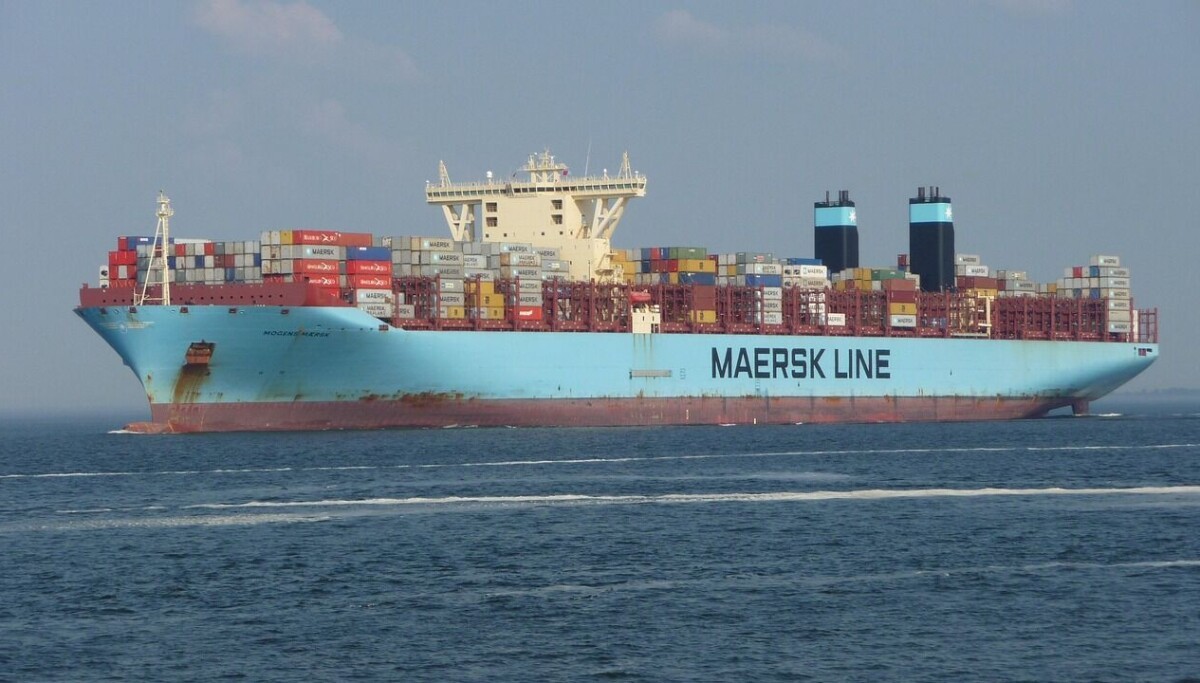
Maersk has ordered 26 container ships with a combined capacity of about 483,600 TEU, scheduled for delivery in 2029 and 2030 as part of its fleet renewal strategy. The order will not ease near-term pressure: congestion at Asian ports has left roughly 8.5% of the global container fleet unavailable, equal to about 3m TEU, and schedule reliability fell below 50% in August, its lowest since September 2022, with vessels arriving an average of 6.8 days late. Cleveland Group's Hayley Hedley warns the newbuilds change nothing for importers this winter and urges shippers to track individual vessels rather than rely on booking arrival dates.
According to automotivelogistics.media, Maersk has confirmed an order for 26 large container ships with a combined capacity of approximately 483,600 twenty-foot equivalent units (TEU), a fleet renewal move that will not ease the congestion currently disrupting automotive supply chains.
Order targets 2029 and 2030 deliveries
The vessels are scheduled for delivery in 2029 and 2030, and the order adds almost 484,000 TEU of capacity from 2029, according to the report. Maersk framed the purchase as part of its long-term fleet renewal strategy rather than a response to present market conditions.
The source states that the investment will do little to address the immediate capacity constraints affecting manufacturers and suppliers dependent on ocean freight. Because the ships form part of a renewal programme, the extent to which they raise Maersk’s net capacity will depend on how many older vessels are withdrawn from service.
The capacity currently tied up in port congestion is approximately six times greater than the combined capacity of Maersk’s latest order, the report notes — a comparison that underscores the gap between the newbuild timeline and the disruption facing shippers today.
Asian congestion removes 3m TEU from service
According to figures reported by The Loadstar, congestion at Asian ports has left approximately 8.5% of the global container fleet effectively unavailable, equivalent to around 3m TEU of capacity.
Global container shipping schedule reliability also fell to below 50% in August, its lowest level since September 2022, with delayed vessels arriving an average of 6.8 days behind schedule. For automotive manufacturers and tier suppliers sourcing components from Asia, unreliable schedules complicate inventory planning, disrupt inbound logistics and raise the risk of production delays.
The disruption comes ahead of the traditional increase in shipments before Chinese New Year in February 2027, when factory closures can create additional pressure on freight networks. Automotive supply chains operating with tightly managed inventories and time-sensitive component deliveries face particular difficulty coordinating inbound shipments with production schedules.
Hedley: new ships change nothing near term
Hayley Hedley, group commercial director at Cleveland Group, said the scale of the investment should not distract businesses from the immediate challenges facing ocean freight.
“An order of this size sounds like more capacity is on its way, but for anyone placing orders with suppliers in Asia this winter, it changes nothing for the next few years. The ships that will carry next spring’s stock are already in service, and many of them are currently caught up in congestion at Asian ports.” — Hayley Hedley, Group Commercial Director, Cleveland Group
Hedley added that a shipbuilding announcement should not be read as a signal that delays are about to ease, noting that what matters for a UK importer over the next six months is how quickly congestion in Asia clears, with current estimates running into next year.
Orderbook reaches 13m TEU as rates slide
The wider container shipping industry is also investing heavily in additional capacity. The global container ship orderbook reached approximately 13m TEU earlier in 2026, raising concerns about potential overcapacity as new vessels enter service towards the end of the decade.
In the shorter term, spot freight rates on Asia-Europe routes have been declining despite continued disruption to vessel schedules. Lower freight rates could help automotive manufacturers and suppliers reduce transportation expenditure, but they do not necessarily translate into more predictable delivery times.
“Lower freight rates on the Asia to Europe trade will be welcome news for importers, but price and reliability are two separate things. A cheaper container that arrives a week late can still cost a business more if it means a stalled site or an empty shelf.” — Hayley Hedley, Group Commercial Director, Cleveland Group
For automotive logistics operations, that distinction is particularly important. Delays to relatively low-value components can have disproportionate consequences if they interrupt vehicle assembly or prevent suppliers from meeting scheduled deliveries.
Importers urged to track vessels directly
Hedley urged importers to reassess their shipping arrangements and inventory requirements ahead of the Chinese New Year period, particularly where goods are sourced from Asian manufacturing centres. She highlighted the importance of tracking individual vessels rather than relying solely on estimated arrival dates given at booking.
“Ask suppliers for the vessel name and track it yourself, rather than relying on the arrival date on the booking. When reliability is below 50%, that date can’t be relied on. Finding out a ship is running late a fortnight in advance gives you time to adjust orders, deliveries or storage.” — Hayley Hedley, Group Commercial Director, Cleveland Group
The challenge is balancing the cost of additional inventory against the operational risks created by unpredictable ocean freight. While Maersk’s investment points to substantial changes in container shipping capacity towards the end of the decade, the more immediate priority for automotive supply chains remains improving visibility, managing inventory buffers and maintaining production continuity amid persistent disruption.
Source: automotivelogistics.media
Compiled from international media by the SCI.AI editorial team.