The Fair Labor Association has set out six ways brands and factories can address climate-linked risks to apparel workers, with President and CEO Jeff Vockrodt arguing the burden should not fall on suppliers alone. In a Just Style feature published October 23, 2026 and written by Hannah Abdulla, the report notes that factories are significantly hotter inside than outside because of machinery and poor airflow, making heat exposure a workplace safety issue in apparel production. The guidance is aimed at both the brands placing orders and the factories fulfilling them, and sits alongside Just Style's coverage of traceability and social responsibility in global apparel supply chains.
According to Just Style, the Fair Labor Association (FLA) has set out six measures that brands and factories should adopt to address climate-related risks facing apparel workers, with its president and CEO arguing that the burden should not fall on suppliers alone.
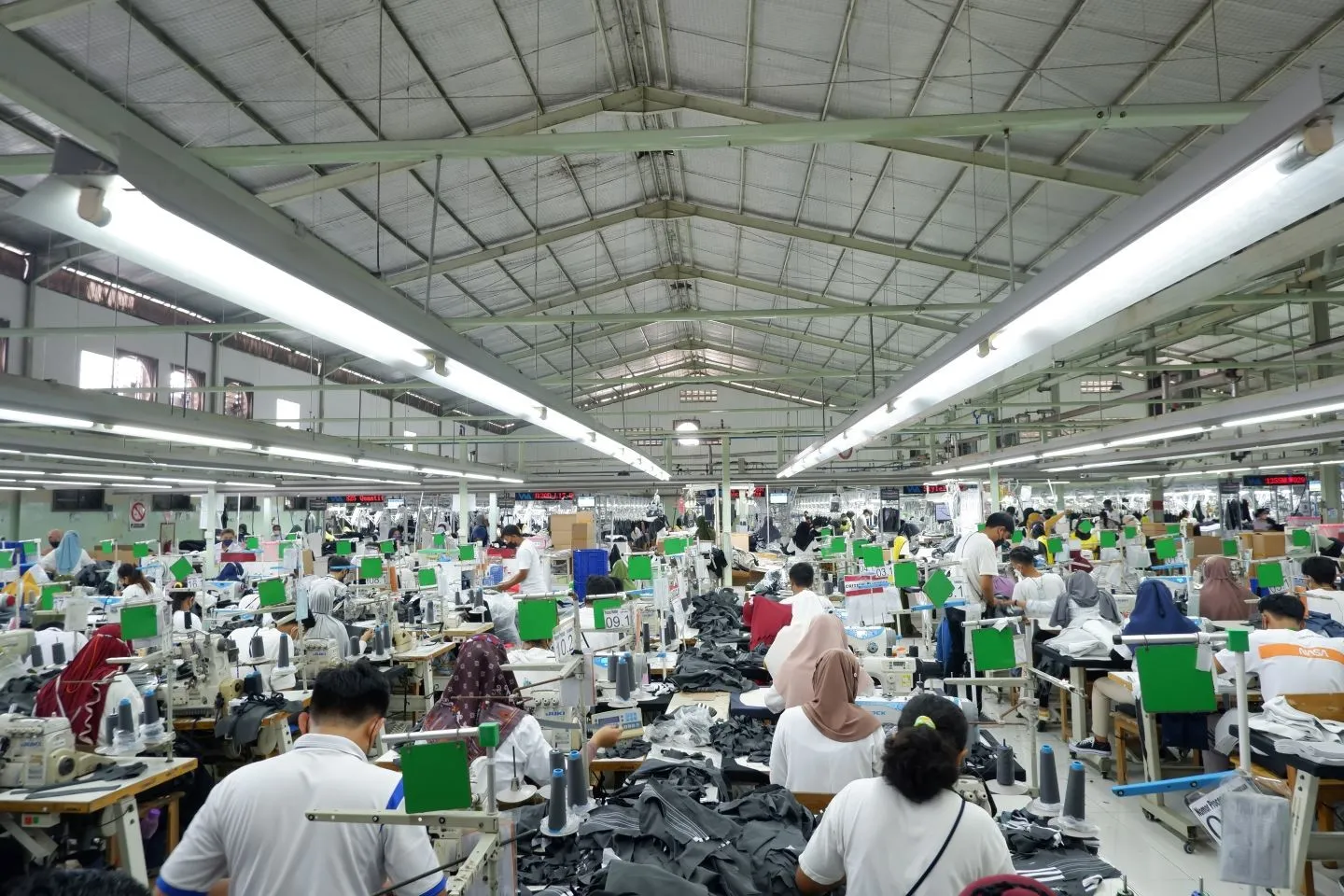
The guidance was published by Just Style on October 23, 2026, in a feature by Hannah Abdulla that draws on the position of Jeff Vockrodt, President and CEO of the Fair Labor Association. The article opens by noting a physical reality inside many garment plants: factories are significantly hotter inside than outside because of machinery and poor airflow.
“The burden of climate change and the associated impact on factory workers should not fall on suppliers alone.” — Jeff Vockrodt, President and CEO, Fair Labor Association
Heat inside factories becomes a worker-safety issue
The source frames the problem around the working environment itself. Machinery and restricted airflow push indoor temperatures well above outdoor levels, according to the report, turning routine production shifts into a heat-exposure risk for the people on the factory floor.
The article places this squarely within apparel sourcing, where brands set production requirements and suppliers carry the cost of compliance. Vockrodt’s position, as reported, is that this division of responsibility is inadequate when the hazard originates in the climate rather than in factory management alone.
The feature is dated October 23, 2026 and appears in Just Style’s features section, which covers apparel sourcing and textile industry news and analysis. It is presented as guidance for two distinct audiences — brands that place orders and the factories that fulfil them.
Six measures aimed at brands and factories
The report is structured around six ways brands and factories can tackle climate-linked worker risk, with the FLA chief executive as the principal voice. The measures are directed at both sides of the sourcing relationship rather than at suppliers in isolation.
Just Style positions the piece within its broader coverage of social responsibility and environmental sustainability in the apparel supply chain, two themes the publication tracks alongside sourcing, manufacturing and trade. The article was published on October 23, 2026.
Access to the full feature is gated behind Just Style’s premium membership, which the site offers through a 1-month trial for £1. The publication describes the membership as providing exclusive analyst commentary, premium forecasts and data-driven insights on the global apparel industry.
Why the FLA is weighing in
The Fair Labor Association is the organisation behind the guidance, and its president and CEO Jeff Vockrodt is the named authority in the report. The FLA’s involvement signals that worker welfare, not only emissions, is being treated as part of the apparel sector’s climate response.
Just Style’s own section structure reflects that overlap: the publication files environmental sustainability and social responsibility under the same themes menu, alongside corporate governance and supply chain. The climate-worker story sits at the intersection of those categories.
The report’s core argument, as summarised in the source, is that responsibility for climate impacts on factory workers must be shared between the brands that source from these facilities and the factories that operate them, rather than loaded onto suppliers.
Where the story sits in apparel sourcing coverage
The feature runs alongside Just Style’s other recent reporting, including a piece on why outdoor brand Dryrobe turned down what the publication described as a “dream” corporate offer, and coverage of a Cascale report arguing that traceability is becoming “core infrastructure.”
Those stories share a common thread with the FLA guidance: pressure on apparel supply chains to document and manage conditions upstream. The source places the climate-worker risk article in the same news cycle as the Cascale traceability findings and the Dryrobe interview.
Just Style also covers adjacent sectors — clothing and footwear, fibres and fabrics, deals, finance, retail, supply chain, manufacturing, sourcing, technology and trade — indicating the audience for the six-point guidance spans brand sourcing teams and factory management alike.
What the guidance asks of the industry
In the source’s framing, the six measures constitute a shared agenda: brands and factories each have actions to take on climate-linked worker risk, and the FLA CEO’s stated position is that suppliers should not bear that load alone.
The report does not present the measures as a supplier audit exercise. Instead, it directs attention to how sourcing decisions and factory conditions interact when temperatures rise, and it names both parties as responsible for the response.
The article carries a publication date of October 23, 2026 and is authored by Hannah Abdulla. Full detail of the six measures is available to Just Style premium members through the publication’s subscription access.
Source: Just Style
Compiled from international media by the SCI.AI editorial team.