Skip to content

Manufacturing

Analysis

Boston Dynamics to Train Atlas Robots in Hyundai EV Factory

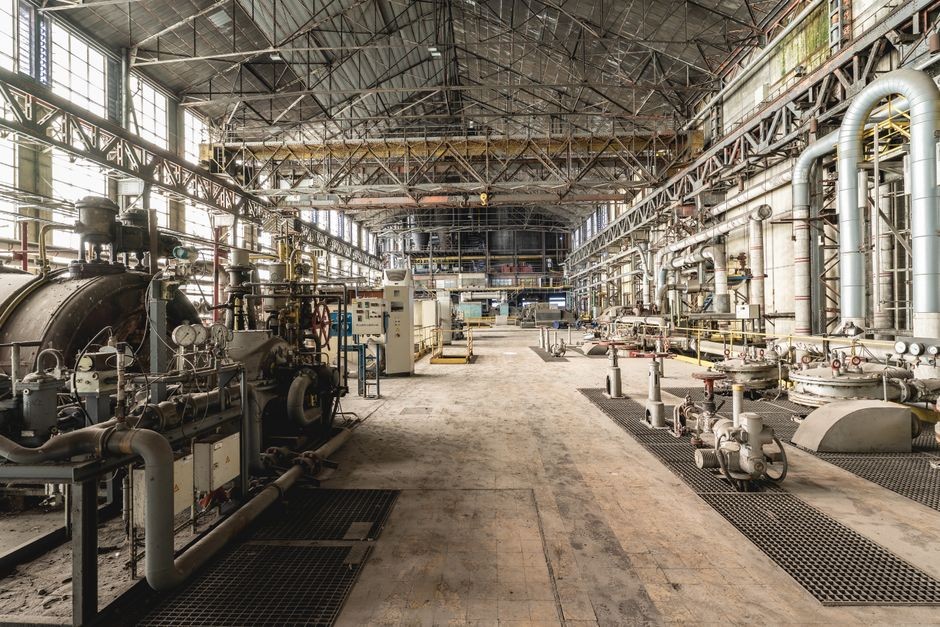
Boston Dynamics will train its Atlas humanoid robots at Hyundai Motor Group’s 2,900-acre electric vehicle factory near Savannah, Georgia. Hyundai plans to deploy 25,000 Atlas units across its global Hyundai and Kia plants and produce 30,000 robots annually in the U.S. The initiative follows Hyundai’s 2020 acquisition of an 80% stake in Boston Dynamics for $880 million. Training begins with logistics and parts sequencing, expanding to component assembly by 2030.

Original source: Source information pending

Boston Dynamics to Train Atlas Robots in Hyundai EV Factory

According to thescxchange.com, Boston Dynamics will train its Atlas humanoid robots inside Hyundai Motor Group’s Metaplant America facility — a 2,900-acre electric vehicle factory located just outside Savannah, Georgia.

Hyundai’s Strategic Deployment Plan

As the corporate parent of Boston Dynamics, Hyundai Motor Group plans to deploy 25,000 Atlas robots across its global Hyundai Motor and Kia manufacturing plants over the next few years. The company also intends to manufacture 30,000 robots per year at its U.S. factory, beginning with initial training and integration at the Metaplant America site.

Ownership and Investment Background

Hyundai Motor Group acquired an 80% stake in Boston Dynamics in 2020 for approximately $880 million, with Softbank Group retaining the remaining 20% share. This acquisition positioned Hyundai to accelerate robotics deployment across its automotive production network, starting with real-world task training in active manufacturing environments.

Phased Integration Timeline

The Robotics Metaplant Application Center (RMAC) launched at the HMGMA site serves as both a testbed and training hub. Atlas robots are currently being trained on logistics preparation and parts sequencing tasks. By 2030, the application scope will expand to include component assembly. Over time, the robots will assume repetitive and physically demanding duties previously performed by human workers.

Source: thescxchange.com

Compiled from international media by the SCI.AI editorial team.
Ask SCI.AI Finished reading? Continue with SCI.AI. Explore the related policy, route, company and historical context. Continue asking
Hapag-Lloyd cuts QFP capacity up to 40% amid Asia disruption
Manufacturing

Hapag-Lloyd cuts QFP capacity up to 40% amid Asia disruption

Hapag-Lloyd has cut Quality Freight Product (QFP) capacity allocations by up to 40%, according to a forwarder speaking to theloadstar.com on 24 September 2026. Launched in 2021, QFP binds customers and carrier to volume and space commitments, with penalties for non-compliance. The forwarder estimates 93% of Hapag-Lloyd’s eastbound transpacific volume is locked in QFP, limiting spot-market flexibility. Cuts — applied across the board after Labour Day 2026 — stem from operational disruption in China and the Panama Canal. A QFP reconciliation is pending, and Hapag-Lloyd has acknowledged it may need to reconsider the product’s design.

Container Ship Orderbook Surges to 45% of Fleet
Manufacturing

Container Ship Orderbook Surges to 45% of Fleet

The global containership orderbook has surged to 45% of the existing fleet — its highest level since 2009 — with 1,925 vessels (15.6 million teu) on order, more than double the 7.6 million teu post-pandemic peak. Five carriers, including Hai An Transport (368%) and Regional Container Lines (157%), now have orderbooks exceeding their current fleets. Maersk, MSC, CMA CGM, and COSCO collectively hold orderbooks ranging from 35% to 52% of their fleets, prompting Sea-Intelligence to warn of an impending 'commercial battle' as new ships arrive. A concurrent return of Asia–Europe sailings via Suez threatens to further flood the market with released capacity.

Record-Low Rhine Levels Choke Barge Traffic, Stress Ground Transport
Disruptions

Record-Low Rhine Levels Choke Barge Traffic, Stress Ground Transport

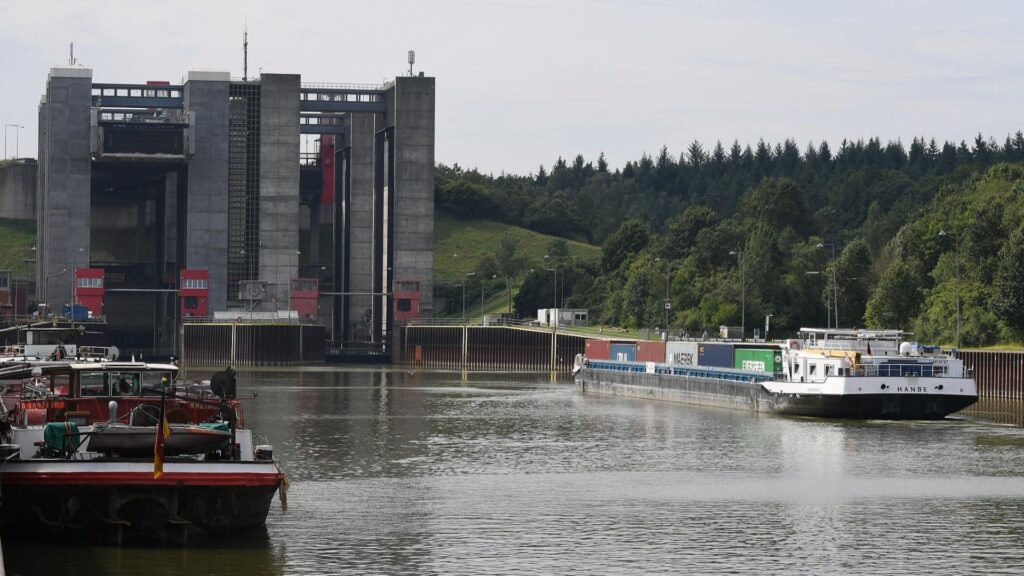
Record-low Rhine River water levels — falling to 32 cm at Kaub on September 15, 2026, the lowest since 1920 — are crippling barge traffic. Navigation restrictions took effect on September 10, 2026, forcing up to 40% load reductions and diverting 1.7 million tons of freight to roads and rails. Chemical and energy sectors report steep shipment declines: BASF cut ammonia barge deliveries by 12%, while coal deliveries dropped 31%. Rhine freight volumes fell 37% YoY in mid-September, with levels expected to stay below 50 cm through October 2026.

Welcome Back!

Login to your account below

Create New Account!

Fill the forms below to register

Retrieve your password

Please enter your username or email address to reset your password.

Scan to share via WeChat

Open WeChat and scan the QR code to share

QR Code

Add New Playlist