Skip to content

Manufacturing

Analysis

Pentagon offers 6K $250M loan for Tennessee battery plant

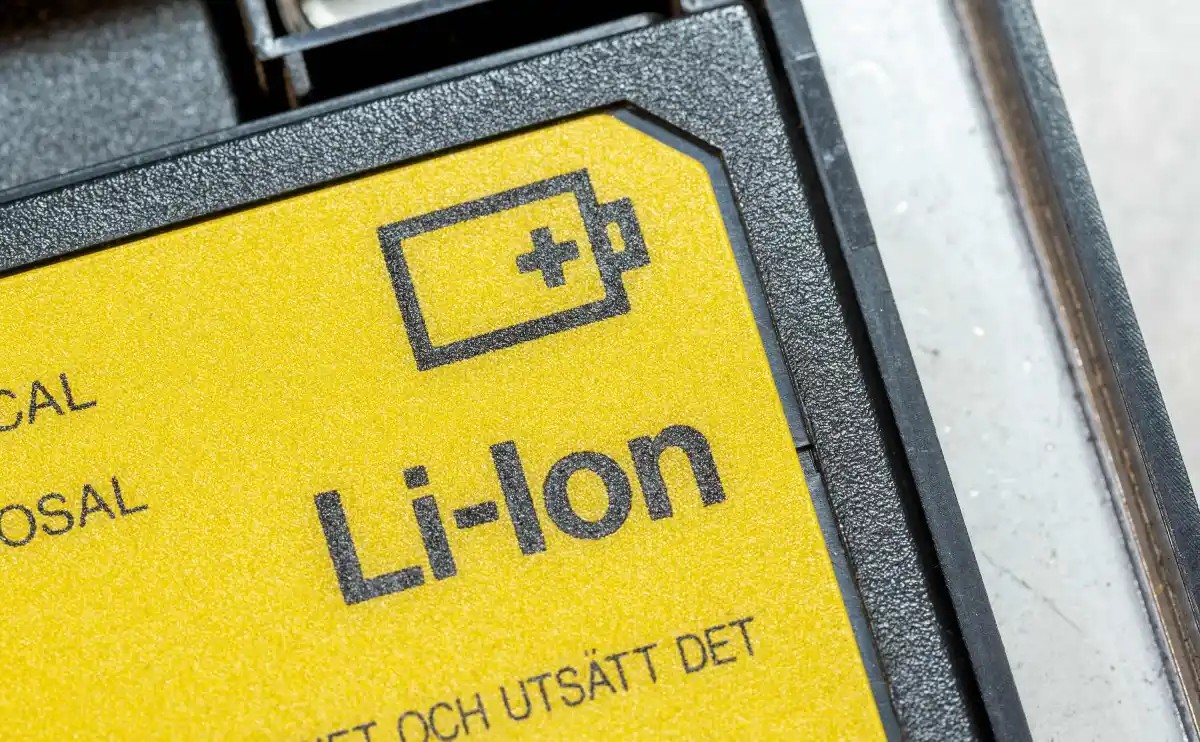
The Pentagon has offered Massachusetts startup 6K conditional approval for a $250 million loan to build a battery materials factory in Tennessee. The plant would use a microwave-powered process to make cathode material without relying on Chinese suppliers. 6K previously held a $50 million Energy Department grant awarded in 2023 under the Bipartisan Infrastructure Law, but the Trump administration canceled it, forcing the company to reapply. The factory was originally slated to open in 2024; the grant cancellation and uncertainty in the EV market pushed the company to rework its plans. 6K says its process can handle multiple battery types, including LFP.

Original source: techcrunch.com

Pentagon offers 6K $250M loan for Tennessee battery plant

Ask SCI.AI about this story

📋 本文要点

The Pentagon has offered Massachusetts startup 6K conditional approval for a $250 million loan to build a battery materials factory in Tennessee. The plant would use a microwave-powered process to make cathode material without relying on Chinese suppliers. 6K previously held a $50 million Energy Department grant awarded in 2023 under the Bipartisan Infrastructure Law, but the Trump administration canceled it, forcing the company to reapply. The factory was originally slated to open in 2024; the grant cancellation and uncertainty in the EV market pushed the company to rework its plans. 6K says its process can handle multiple battery types, including LFP.

According to TechCrunch, the Pentagon has offered 6K, a 12-year-old startup based in North Andover, Massachusetts, conditional approval for a $250 million loan from the Department of Defense to build a battery materials factory in Tennessee.

The company announced the conditional approval on Thursday. The plant is intended to produce battery materials using a microwave-powered process that does not rely on Chinese suppliers, a stated priority for the Defense Department as it seeks more domestic manufacturing capacity for batteries used in military applications.

A grant canceled, then reapplied for

6K had previously received a $50 million grant from the Department of Energy under the Bipartisan Infrastructure Law. That 2023 grant was canceled by the Trump administration during a chaotic sweep of Biden-era awards, which forced the company to reapply for federal support.

The cancellation disrupted the company’s construction timeline. The factory was originally slated to open in 2024, but the loss of the grant, combined with uncertainties in the electric vehicle market, forced 6K to rework its plans.

The new loan, if finalized, would shift the project’s federal backing from the Energy Department to the Defense Department. The conditional approval means the funding is not yet guaranteed, and the company must still satisfy the terms attached to the offer before the loan is closed.

Microwaves instead of Chinese supply chains

6K’s manufacturing process uses microwaves to heat metals into a plasma and then deposit them onto a surface. According to the company, the approach reduces the number of steps required to make cathode material, a key battery component.

The company says the process can work across a number of different battery types, including lithium iron phosphate (LFP). That flexibility matters for a defense supply chain that may need multiple chemistries rather than a single dominant format.

Domestic cathode production is central to the Pentagon’s interest in reducing dependence on Chinese suppliers, which currently dominate processing of many battery materials. The Tennessee plant would add U.S. capacity for a segment of the battery supply chain that has largely been built overseas.

What the loan covers

  • $250 million conditional loan from the Department of Defense
  • $50 million Department of Energy grant awarded in 2023 and later canceled
  • Factory site in Tennessee, originally planned to open in 2024
  • Process: microwave-generated plasma deposition of cathode material, including LFP

The project’s path illustrates how federal incentives for battery manufacturing can change direction between administrations. 6K’s original award came through the Bipartisan Infrastructure Law, and its cancellation left the company to pursue a different federal funder.

For the Pentagon, the loan is a bet on domestic capacity for materials that feed batteries deployed in the field. The source report does not specify the plant’s production volume, the number of jobs it would create, or a revised opening date.

Source: TechCrunch

Compiled from international media by the SCI.AI editorial team.
Ask SCI.AI Finished reading? Continue with SCI.AI. Explore the related policy, route, company and historical context. Continue asking
Stay ahead of supply chain shifts

One email a week: the stories that matter and new risk events — in English, free.

Prefer RSS? Articles Risk events

Humble Robotics raises $51M for cabless electric hauler pilots
Manufacturing

Humble Robotics raises $51M for cabless electric hauler pilots

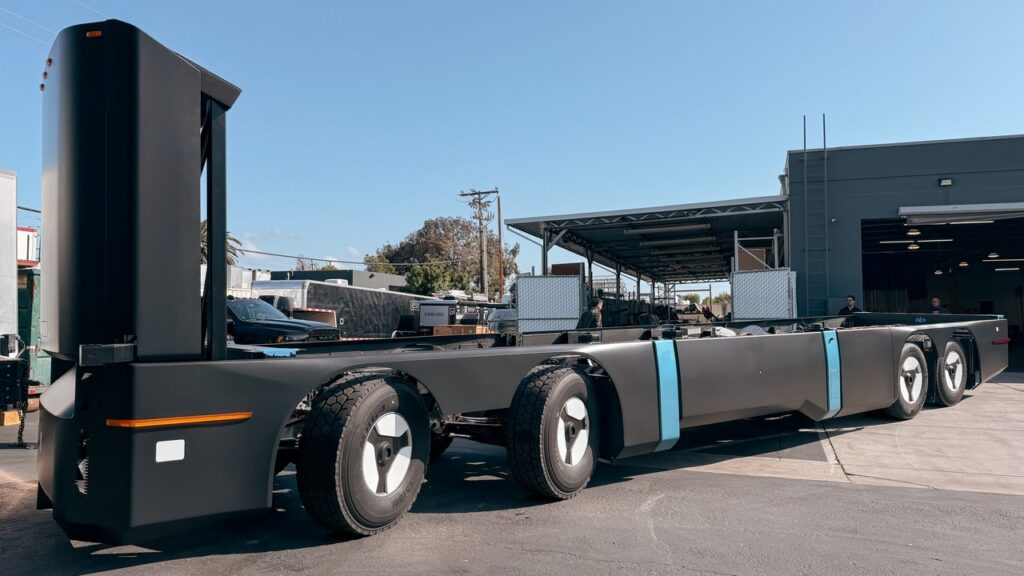
Humble Robotics closed a $51 million Series A led by Obvious Ventures, lifting total funding to $75 million roughly six months after a $24 million seed round. The San Francisco startup will use the capital to put its cabless, electric Humble Hauler into customer pilots on port drayage and warehouse runs, plus testing, early manufacturing and a wider modular vehicle family. Humble targets regional routes under 250 miles, which it says account for 87% of U.S. truck tonnage, with a 200-mile range and 55 mph top speed. The release names no customers; CEO Eyal Cohen's 12-month pilot target runs through August 2027.

India: 3.6% of factories drive 62% of manufacturing output
Manufacturing

India: 3.6% of factories drive 62% of manufacturing output

A government survey reported by The Economic Times shows India's manufacturing output is highly concentrated: factories producing above Rs 500 crore made up about 3.6% of operational plants but generated 62.07% of total output and nearly 61% of net value added in FY25. At the other end, units with output up to Rs 10 crore were 52.36% of plants but contributed just 1.92% of output. Capital-heavy units with plant and machinery of Rs 10 crore or more held 87.42% of fixed capital and produced 76.82% of output. The manufacturing corporate sector recorded 9.28% year-on-year GVA growth, while GVA per person engaged rose only 2.25%.

Rockwell finds 90% of pharma firms call digital transformation necessary
Manufacturing

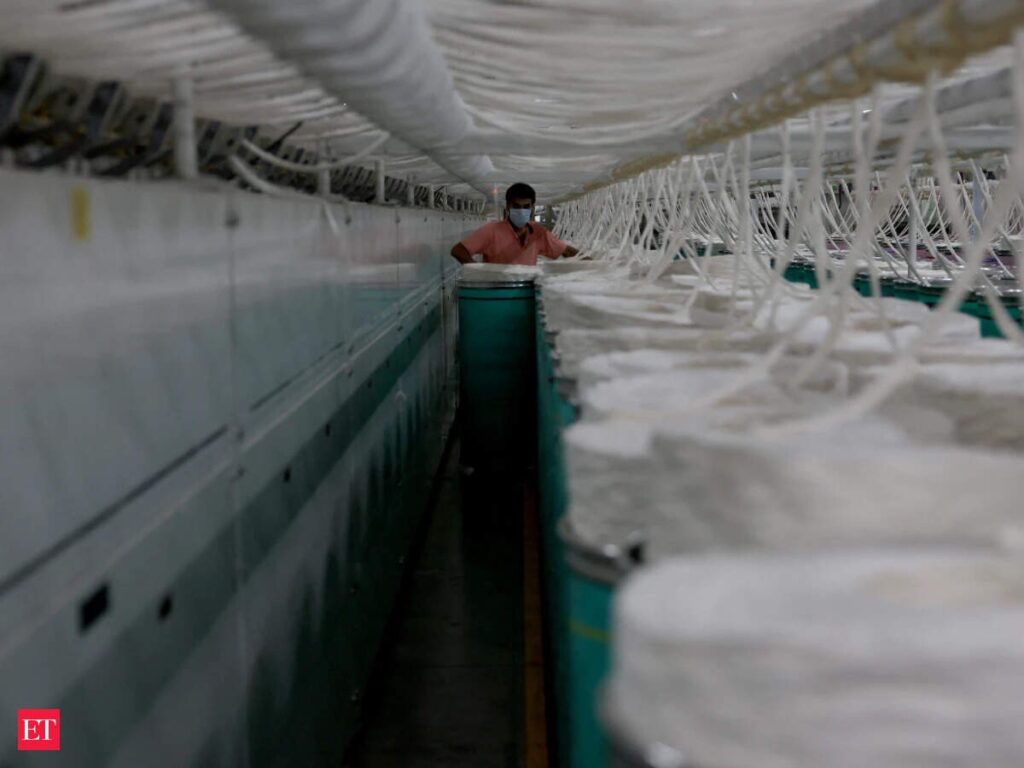
Rockwell finds 90% of pharma firms call digital transformation necessary

A Rockwell Automation report released October 1 found that 90 percent of life sciences manufacturers consider digital transformation necessary, while nearly 58 percent already run smart manufacturing technology across all or part of their operations. Grand View Research projects the Pharma 4.0 market at $17.7 billion in 2026 and $61.7 billion by 2033. The source profiles five vendors — DXC Technology, Rockwell Automation, Siemens, Cognizant and Accenture — active in pharmaceutical manufacturing and process automation. Rockwell's survey also shows only 32 percent of manufacturers successfully use more than half the data they collect, and 54% reported cyberattacks in the past year.

Welcome Back!

Login to your account below

Create New Account!

Fill the forms below to register

Retrieve your password

Please enter your username or email address to reset your password.

Scan to share via WeChat

Open WeChat and scan the QR code to share

QR Code

Add New Playlist