China gains as geopolitics redraws new global container port rankings.
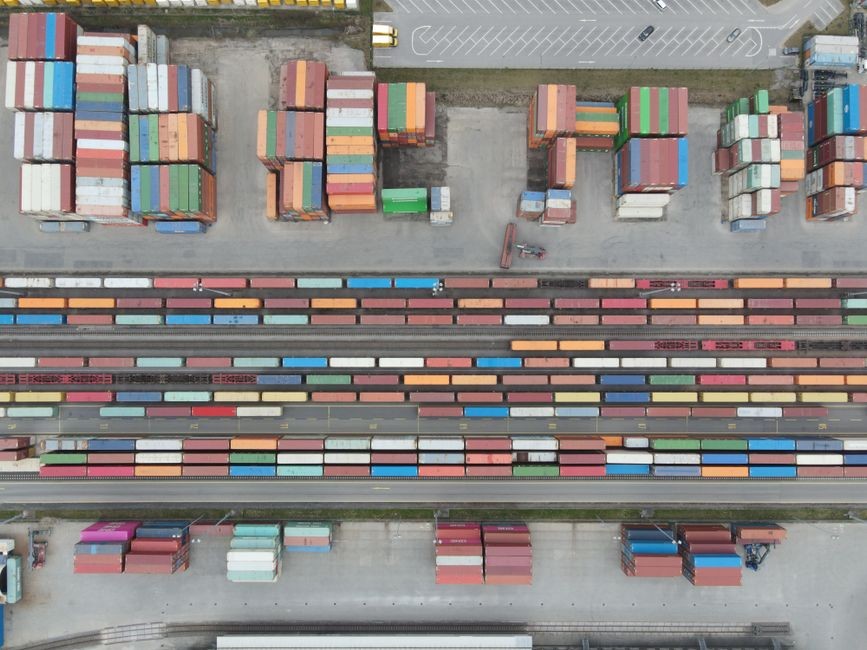
The Chinese container port sector recorded a 12.3% year-on-year growth in throughput volume, analysis of global maritime trade data. This expansion occurred against the backdrop of intensified regional tensions, sanctions-driven rerouting, and accelerated infrastructure investment across Asia’s major port hubs.
Geopolitical realignment drives port traffic shifts
Persistent disruptions at traditional transshipment nodes—including the Suez Canal, Panama Canal, and Strait of Hormuz—have redirected vessel calls toward alternative gateways. China’s Shanghai Port, Shenzhen Port, and Ningbo-Zhoushan Port collectively handled 325 million TEUs in 2024, up from 289 million TEUs in 2023.
Port operators reported increased call volumes from carriers reconfiguring Asia–Europe and Asia–North America loops to avoid high-risk corridors. One carrier executive noted:
“We’ve shifted 27% of our weekly Asia–Europe sailings away from Suez since early 2024, with 14% now routed via Shanghai and Ningbo for consolidation before trans-Pacific legs.” — Lin Wei, Head of Network Planning, Ocean Alliance
Infrastructure investment accelerates in response
Chinese port authorities committed $4.8 billion in 2024 to automated terminal upgrades, including AI-powered yard cranes and blockchain-enabled customs clearance systems. The Q3 2024 deployment of autonomous container trucks at Yantian International Container Terminal reduced average gate dwell time by 38%.
A separate initiative launched in May 2026 expanded deep-water berths at Qingdao Port to accommodate ultra-large container vessels (ULCVs) carrying over 24,000 TEUs. The expansion added 3.2 kilometers of new quay length and six additional ship-to-shore cranes.
Source: FreightWaves
Compiled from international media by the SCI.AI editorial team.