According to www.ghacks.net, SpaceX and Tesla will construct natural gas-fired power plants and large-scale battery storage systems to supply electricity for their joint semiconductor manufacturing facility in Grimes County, Texas. The first phase of the Terafab project carries a projected cost of $16.8 billion and is expected to generate 3,000 jobs.
Power Infrastructure Integrated from Day One
To meet the exceptionally high and continuous electricity demands of advanced chip fabrication, the developers have opted for vertical integration of energy infrastructure. Riley Trettel, head of energy and data center development at SpaceX, confirmed the plan at a public meeting in Grimes County:
“We’re bringing our own power. We’re going to be building natural gas-fired power plants, and we’re going to be building very large battery arrays in order to store energy.” — Riley Trettel, head of energy and data center development at SpaceX
This approach aligns with Elon Musk’s broader strategy of internalizing critical supply chain components — particularly those vulnerable to grid instability or geopolitical disruption.
The companies already possess relevant capabilities: Tesla manufactures Megapacks, utility-scale battery storage systems, and operates a dedicated Megapack factory west of Houston. Meanwhile, SpaceX controls over 13,000 acres in the region — ample space not only for the factory but also for power generation facilities and future expansion. The factory site itself will span 100 million square feet across multiple phases on approximately 3,000 acres.
Production Scope and Strategic Rationale
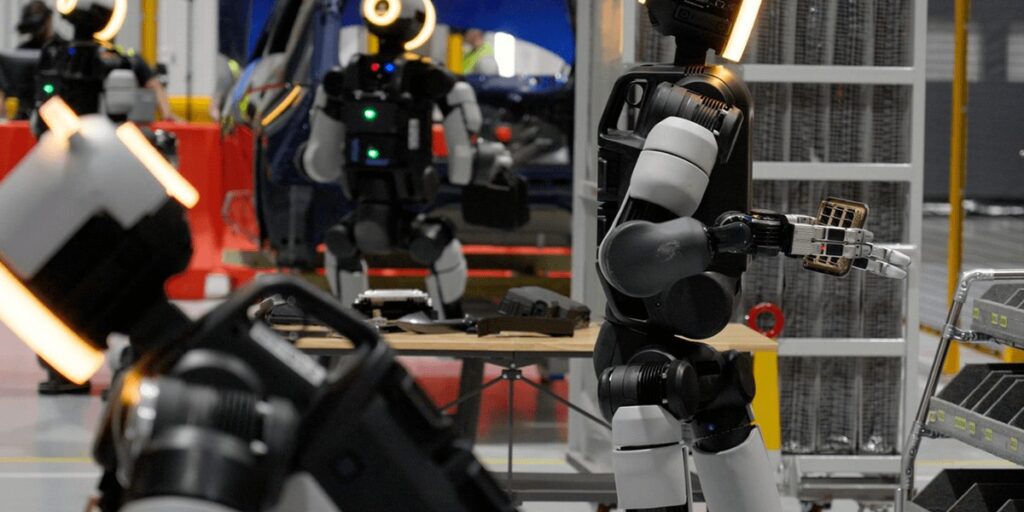
The facility will produce two distinct chip families: one optimized for Tesla’s electric vehicles and Optimus humanoid robots, and another engineered for space applications managed by SpaceX. According to the source, Elon Musk, CEO of both companies, has repeatedly cited insufficient industry output and rising geopolitical risk as primary drivers behind the initiative. He stated that the global chip industry is “not keeping pace with demand” from his companies and the wider technology sector.
In April 2026, Intel joined the project, contributing established expertise in chip design, fabrication, and packaging. The company’s involvement adds institutional knowledge in semiconductor manufacturing processes — a capability neither SpaceX nor Tesla currently possesses at scale. The project also received a $30 million grant from the Texas Enterprise Fund, underscoring state-level support for domestic semiconductor capacity.
Industry Implications and Unanswered Questions
The Terafab project reflects a broader trend among advanced manufacturing and data center developers in Texas: integrating on-site generation and storage during construction rather than relying solely on the grid. As demand surges from AI-driven data centers and next-generation fabs, developers are increasingly prioritizing energy sovereignty. Vertical integration reduces exposure to external permitting timelines, interconnection delays, and regional grid congestion — all well-documented bottlenecks in Texas’ rapidly growing energy markets.
However, several key details remain undisclosed. The source states that developers have not revealed the generation capacity of the planned natural gas plants or the total megawatt-hour rating of the battery arrays. Similarly, the full timeline for all factory phases, total investment beyond the initial $16.8 billion, and the scheduled production start date have not been specified. It is also unclear how the on-site generation will interface with the Electric Reliability Council of Texas (ERCOT) grid or whether subsequent phases will necessitate additional power infrastructure upgrades.
Source: ghacks.net
Compiled from international media by the SCI.AI editorial team.