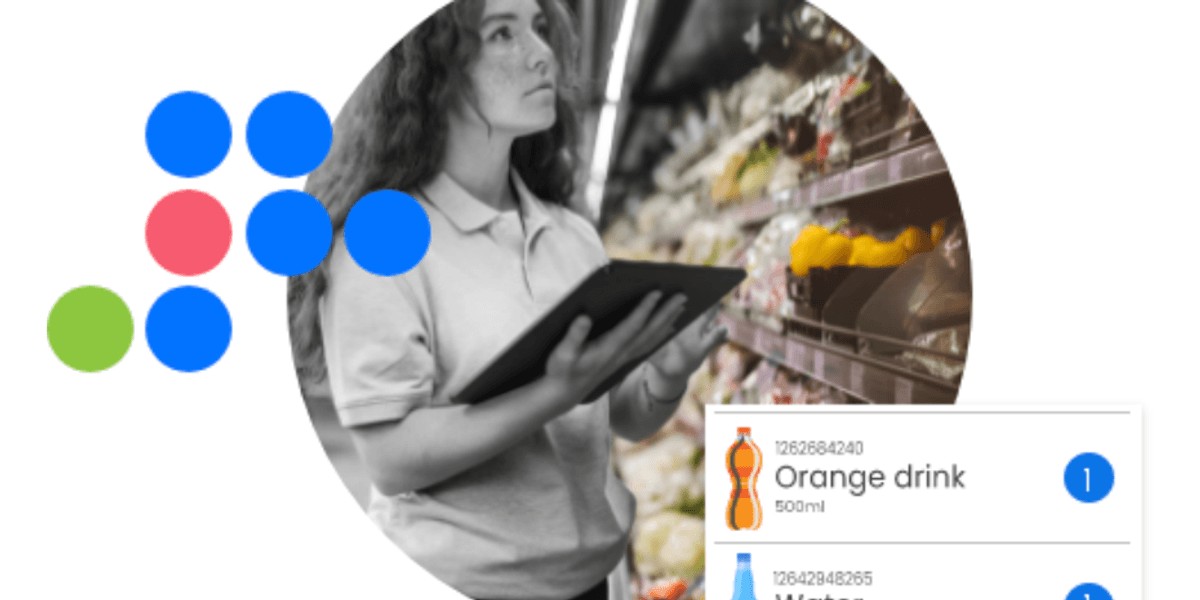
According to www.dcvelocity.com, Instacart has acquired Israeli computer vision company Arpalus to improve real-time on-shelf inventory accuracy across its grocery retail network.
Addressing the core pain point of online grocery
Instacart identifies undetected out-of-stocks and catalog gaps as among the most persistent drivers of customer dissatisfaction in online grocery — leading directly to order substitutions, cancellations, and erosion of consumer trust. The San Francisco–based firm states that online order accuracy is only as reliable as the underlying inventory data. With more than 600,000 shoppers operating across thousands of stores, Instacart’s scale magnifies the impact of inventory inaccuracies. According to the report, these discrepancies have long undermined confidence in digital grocery fulfillment — especially where real-time shelf visibility remains elusive due to fragmented scanning systems, inconsistent store conditions, and product visual similarity.
Computer vision built for grocery complexity
Arpalus’s platform converts video scans from standard smartphone cameras into precise, real-time shelf-level inventory counts. Its computer vision models are trained specifically on the challenges of live grocery environments: low or unreliable Wi-Fi, variable lighting, dense product placement, and high SKU overlap. The source states the system achieves more than 95% accuracy, on average, in identifying individual items on shelves. Critically, the technology operates on any camera-equipped device — meaning Instacart’s existing shopper app can serve as both an order execution tool and a real-time data collection instrument without requiring new hardware deployments.
Integration through physical AI and shopper activation
David McIntosh, Chief Connected Stores Officer at Instacart, emphasized the strategic alignment between the acquisition and the company’s broader “Physical AI” initiative for grocery retail. He stated:
“We believe the future of grocery retail is a unified experience powered by Instacart intelligence, where what happens in store connects seamlessly to ecommerce in real time. The Arpalus team has spent years building exceptional shelf intelligence technology, solving the problem of understanding what’s actually on store shelves, at any given moment. With our leadership in Physical AI for grocery retail and by activating our network of shoppers, we can feed even more accurate shelf information back into our models, delivering better outcomes for customers, shoppers, and our retail and brand partners.” — David McIntosh, Chief Connected Stores Officer at Instacart
This integration enables closed-loop learning: shopper-collected shelf data trains and refines Instacart’s demand forecasting, substitution logic, and retailer-facing analytics — all grounded in verified physical reality rather than static database entries.
Commercial and operational implications
The acquisition strengthens Instacart’s value proposition to retailers and CPG brands by transforming passive inventory feeds into dynamic, auditable shelf intelligence. For supply chain professionals, this means fewer manual stock audits, reduced reliance on delayed EDI-based replenishment signals, and faster identification of planogram compliance issues or localized demand spikes. Unlike traditional RFID or sensor-based solutions requiring infrastructure investment, Arpalus’ smartphone-first approach allows rapid, capital-light rollout across Instacart’s footprint — including independent grocers and regional chains with limited IT resources. Though terms of the deal were not disclosed, the move follows Instacart’s broader 2024–2026 strategy to embed real-world physical signals into its AI stack, as confirmed in its July 20, 2026 announcement. The technology is already being piloted in select U.S. markets ahead of national deployment.
Source: DC Velocity
Compiled from international media by the SCI.AI editorial team.