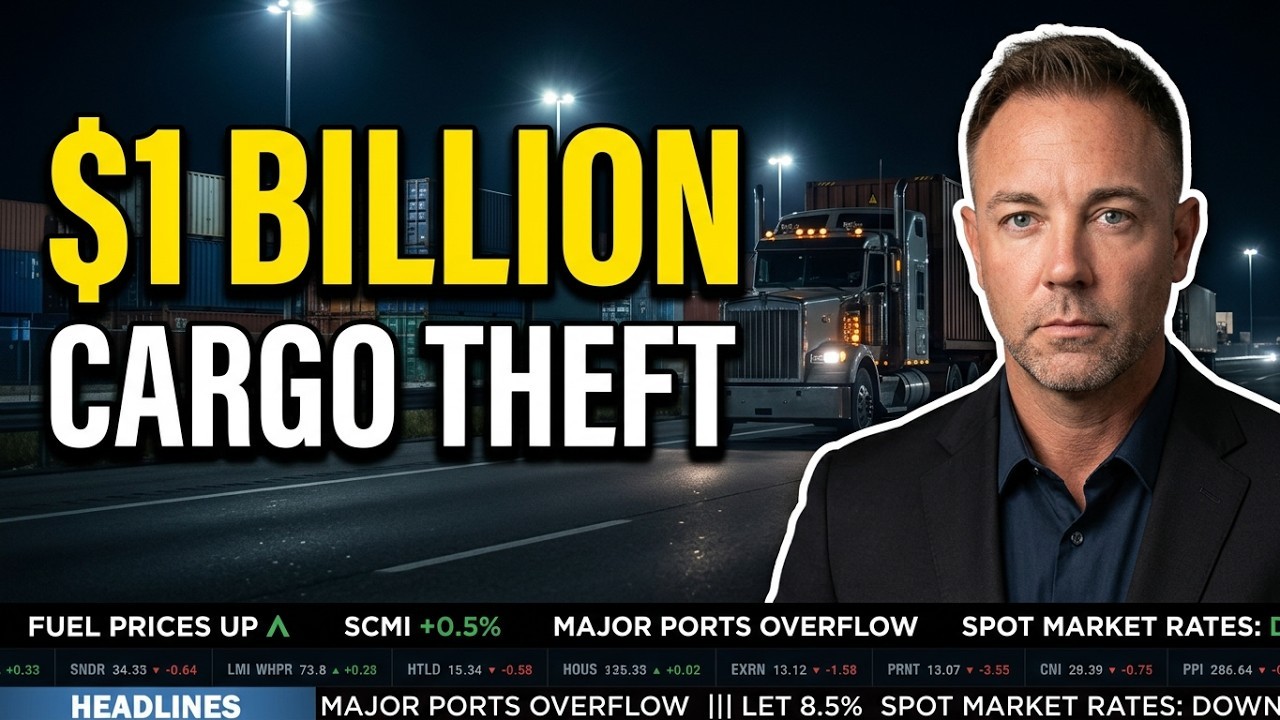
According to www.freightwaves.com, U.S. federal authorities have dismantled a transnational cargo theft operation responsible for an estimated $1 billion in stolen freight across the United States since at least 2024.
Scale and Sophistication of the Operation
The network, investigated by the Federal Bureau of Investigation (FBI) and prosecuted in coordination with U.S. Attorneys’ Offices, operated through coordinated hijackings, insider collusion, and forged documentation. According to the report, thieves targeted high-value, easily resalable loads — including electronics, pharmaceuticals, and consumer packaged goods — primarily on major freight corridors such as I-10, I-40, and I-95. The investigation revealed that perpetrators used GPS spoofing devices to mislead fleet tracking systems and falsified Department of Transportation (DOT) credentials to bypass carrier verification protocols.
The source states that law enforcement identified over 75 CDL training schools under federal scrutiny for suspected fraud — many allegedly issuing commercial driver’s licenses without proper testing or background checks, thereby supplying the network with credentialed drivers who could legally operate tractor-trailers. These schools were concentrated in Texas, Georgia, and Florida, according to court filings cited in the FreightWaves report.
Law Enforcement Response and Industry Implications
In parallel with the cargo theft takedown, the Federal Motor Carrier Safety Administration (FMCSA) has initiated audits of more than 300 motor carriers linked to suspicious load patterns or repeated insurance claim anomalies. The FBI confirmed that arrests spanned 12 states, with indictments unsealed in federal courts in Atlanta, Dallas, and Los Angeles. Prosecutors emphasized that the network’s infrastructure included at least four logistics hubs repurposed as illicit distribution centers — one in Memphis, Tennessee; another near Chicago, Illinois; and two in the Inland Empire region of Southern California.
FreightWaves’ Phil Brink, host of FreightWaves Today, reported that brokers are now mandating third-party identity verification for all new carrier onboarding, citing a 42% increase in fraudulent carrier registrations detected in Q2 2026. This surge aligns with FMCSA data showing a 28% year-over-year rise in reported cargo theft incidents between January and June 2026.
Operational and Safety Fallout
The theft ring’s methods directly compromised driver safety: at least 17 documented assaults occurred during hijackings, including three fatalities among truck drivers, per FBI incident summaries. The report notes that stolen trailers were often abandoned on remote access roads — sometimes with hazardous materials improperly secured — creating secondary risks for first responders and local communities.
According to industry sources quoted in the article, insurers have raised premiums for over-the-road truckload coverage by up to 35% in high-risk zones since early 2025. Carriers operating in the top five cargo theft counties — Harris County (TX), Cook County (IL), Los Angeles County (CA), Maricopa County (AZ), and Miami-Dade County (FL) — now face mandatory telematics integration and real-time geo-fencing requirements under new underwriting guidelines effective July 2026.
Industry Coordination and Upcoming Action
The Brokerage Compliance Symposium, scheduled for October 26, 2026 at The Signal at Chattanooga Choo Choo in Chattanooga, TN, will feature dedicated sessions on cargo theft mitigation, FMCSA rule enforcement updates, and insurance gap analysis. Organized by FreightWaves, the event draws attorneys, risk managers, and operations executives from over 220 companies.
The F3: Future of Freight Festival, running October 27–28, 2026 at the same venue, will include live demonstrations of AI-powered anomaly detection platforms currently being piloted by C.H. Robinson and Amazon Freight to flag abnormal route deviations and unauthorized trailer drop-offs in under 90 seconds.
Source: FreightWaves
Compiled from international media by the SCI.AI editorial team.