According to www.businesstimes.com.sg, Asia-Pacific airlines’ combined operating revenue climbed 4.3% year on year to US$223.7 billion in 2025 — driven by a surge in international and regional travel.
Revenue and Profit Growth Amid Yield Pressure
Passenger revenue rose 4.7% to US$178.4 billion, accounting for the bulk of top-line expansion. However, average ticket pricing weakened: passenger yields fell 2.8% to US$0.078 per revenue passenger-kilometre. That decline was more than offset by a 7.7% increase in system-wide passenger traffic — reflecting strong demand recovery across key corridors including ASEAN, Northeast Asia, and Australia.
The region’s carriers posted a combined net profit of US$12.1 billion for 2025. Operating expenses increased in lockstep with revenues, rising 4.3% to US$209.4 billion. This tight cost–revenue alignment enabled an operating margin of 6.4% — a figure AAPA attributed to disciplined cost management despite mounting external pressures.
Cargo Revenue Stabilizes Amid Yield Dip
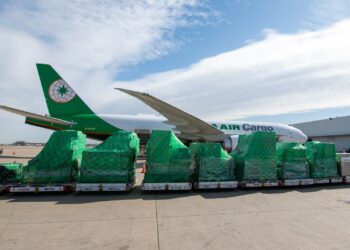
Cargo revenue grew 1.4% to US$23.6 billion in 2025. Air freight demand rose 3.5%, supported by shippers front-loading cargo ahead of anticipated tariff hikes — a trend observed across major trade lanes linking Asia with North America and Europe. Yet cargo yields declined 2% to US$0.321 per freight tonne-kilometre, underscoring continued pricing pressure in the air cargo segment.
This yield compression occurred even as cargo volumes expanded, highlighting structural shifts in shipper behavior and carrier capacity allocation. According to the report, carriers leveraged cargo operations not only for direct revenue but also to absorb fixed network costs — particularly on passenger routes where belly-hold capacity remained underutilized relative to pre-pandemic norms.
Fuel Relief Offset by Soaring Non-Fuel Costs
Jet fuel costs dropped 3.7% to US$58.3 billion, aided by a 9.5% decline in global jet fuel prices — which averaged US$88.80 per barrel. As a result, fuel’s share of total operating expenses fell by 2.3 percentage points to 27.8%.
However, non-fuel operating expenditures surged 7.8% to US$151.1 billion. The report identifies four primary drivers: chronic supply chain disruptions affecting spare parts delivery; higher staff salaries amid labor shortages; elevated aircraft leasing rates; and rising airport charges — especially at major hubs in Singapore, Tokyo, and Seoul. These cost pressures narrowed margins and constrained reinvestment capacity in fleet modernization and digital infrastructure.
Emerging Headwinds Threaten 2026 Outlook
Wong Hong, director-general of the Association of Asia Pacific Airlines (AAPA), cautioned that the fuel-price reprieve is temporary. He noted a sharp reversal in jet fuel prices beginning in early 2026, compounded by macroeconomic volatility stemming from conflicts in the Middle East. “Asia-Pacific airlines entered 2025 from a position of strength, with robust passenger and cargo demand supporting another year of profitable growth,”
“Despite these headwinds, the region’s carriers maintained operating margins… reflecting continued operational discipline.”
— Wong Hong, director-general, Association of Asia Pacific Airlines
AAPA projects Asia-Pacific GDP growth of 4.4% for 2026 — a baseline assumption supporting near-term demand resilience. Yet rising energy costs threaten consumer discretionary spending and corporate travel budgets, both critical revenue pillars. Industry analysts warn that sustained fuel price volatility could trigger capacity rationalization, route consolidation, and accelerated adoption of fuel-efficient aircraft — particularly among mid-sized carriers serving secondary markets.
Source: businesstimes.com.sg
Compiled from international media by the SCI.AI editorial team.