According to africa.businessinsider.com, Tunisia has unveiled plans for an ambitious overland trade corridor linking North Africa to the Sahel — a project coordinated with Libya and targeting landlocked markets including Niger, Mali, Burkina Faso, Chad, and the Central African Republic.
Project Scope and Strategic Rationale
The corridor originates at the Ras Jedir border crossing with Libya and extends southward into the Sahel. Tunisian Minister of Trade Samir Abid announced the initiative at the Tunisia-Niger Business Forum, framing it as a means to “reduce the cost and time of export operations, ease logistics and transport challenges, and strengthen African economic integration.” The source states that the route is intended to offer a shorter overland alternative to coastal West African ports, potentially cutting delivery times currently stretching to two to three weeks.
Trade Context and AfCFTA Alignment
The corridor advances Tunisia’s broader engagement under the AfCFTA, with the country having already completed nearly 400 export operations to African markets via the AfCFTA’s Guided Trade Initiative. Exports span mechanical and electrical components, textiles, and agri-food products. However, bilateral trade with Niger remains modest despite recognized untapped potential — officials from both nations acknowledged the need to structure trade flows, diversify exports, promote industrial partnerships, and facilitate investment.
Challenges and Investment Needs
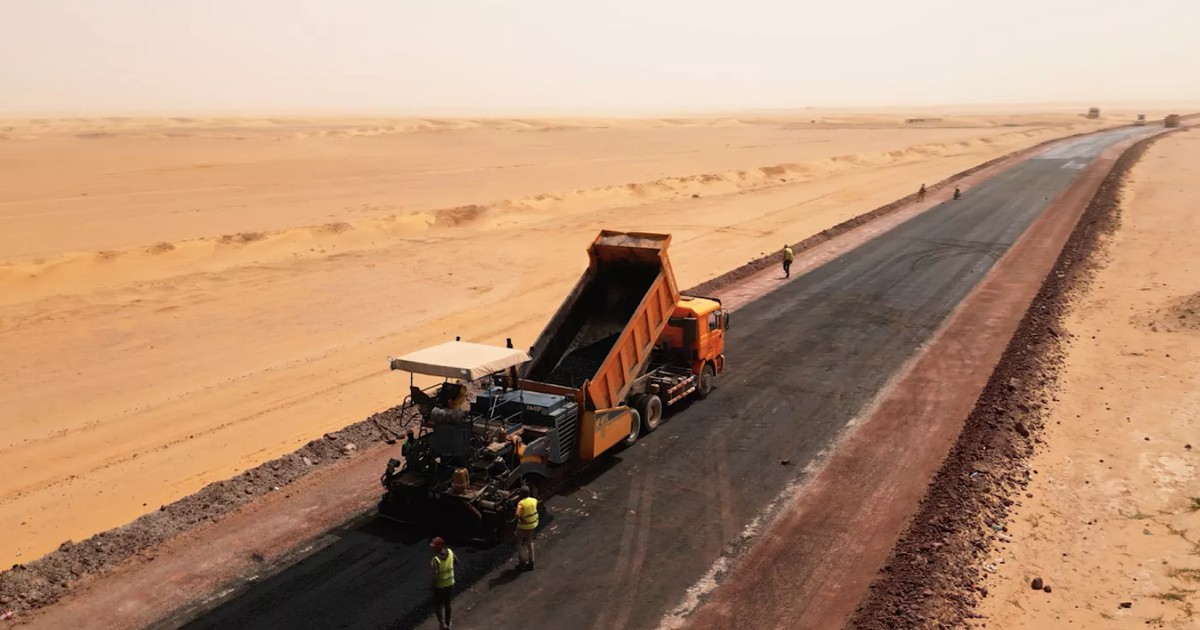
Security concerns across southern Libya and parts of the Sahel — alongside significant infrastructure gaps — present material hurdles. According to the report, upgrading roads, logistics systems, and border facilities could require billions of dollars in investment. If implemented successfully, the corridor could lower transport costs and support growth in intra-African trade, which currently accounts for just about 15% of total African trade.
Regional Dynamics and Supply Chain Implications
The initiative aligns with wider regional realignments, including the emergence of the Alliance of Sahel States (AES) and efforts by Niger, Mali, and Burkina Faso to diversify trade partners amid shifting alliances. For supply chain professionals, this corridor represents a tangible opportunity to reconfigure inland freight routing across North and West Africa — but one requiring careful risk assessment of security conditions, border efficiency, and multimodal handoffs. Given the Sahel’s population of more than 150 million people, the corridor could unlock new demand corridors for Tunisian industrial output while offering Sahelian importers faster, more predictable access to Mediterranean-linked supply chains. Its viability hinges on sustained cross-border coordination, phased infrastructure upgrades, and harmonized customs procedures — all critical levers for supply chain resilience in volatile regions.
Source: africa.businessinsider.com
Compiled from international media by the SCI.AI editorial team.