Explore

  • Trending
  • Latest
  • Tools
  • Browse
  • Subscription Feed

Logistics

  • Ocean
  • Air Cargo
  • Road & Rail
  • Warehousing
  • Last Mile

Regions

  • Southeast Asia
  • South Asia
  • Central Asia
  • Japan & Korea
  • Middle East
  • Europe
  • Russia
  • Africa
  • North America
  • Latin America
  • Australia
SCI.AI
  • Supply Chain
    • Strategy & Planning
    • Logistics & Transport
    • Manufacturing
    • Inventory & Fulfillment
  • Procurement
    • Strategic Sourcing
    • Supplier Management
    • Supply Chain Finance
  • Technology
    • AI & Automation
    • Robotics
    • Digital Platforms
  • Risk & Resilience
  • Sustainability
  • Research
  • Expert Columns
  • English
    • Chinese
    • English
No Result
View All Result
  • Login
  • Register
SCI.AI
No Result
View All Result
Home Africa Supply Chain

Africa’s Reefer Gap Hits 55% Amid Red Sea Disruptions

2026/04/22
in Africa Supply Chain
0 0
Africa’s Reefer Gap Hits 55% Amid Red Sea Disruptions

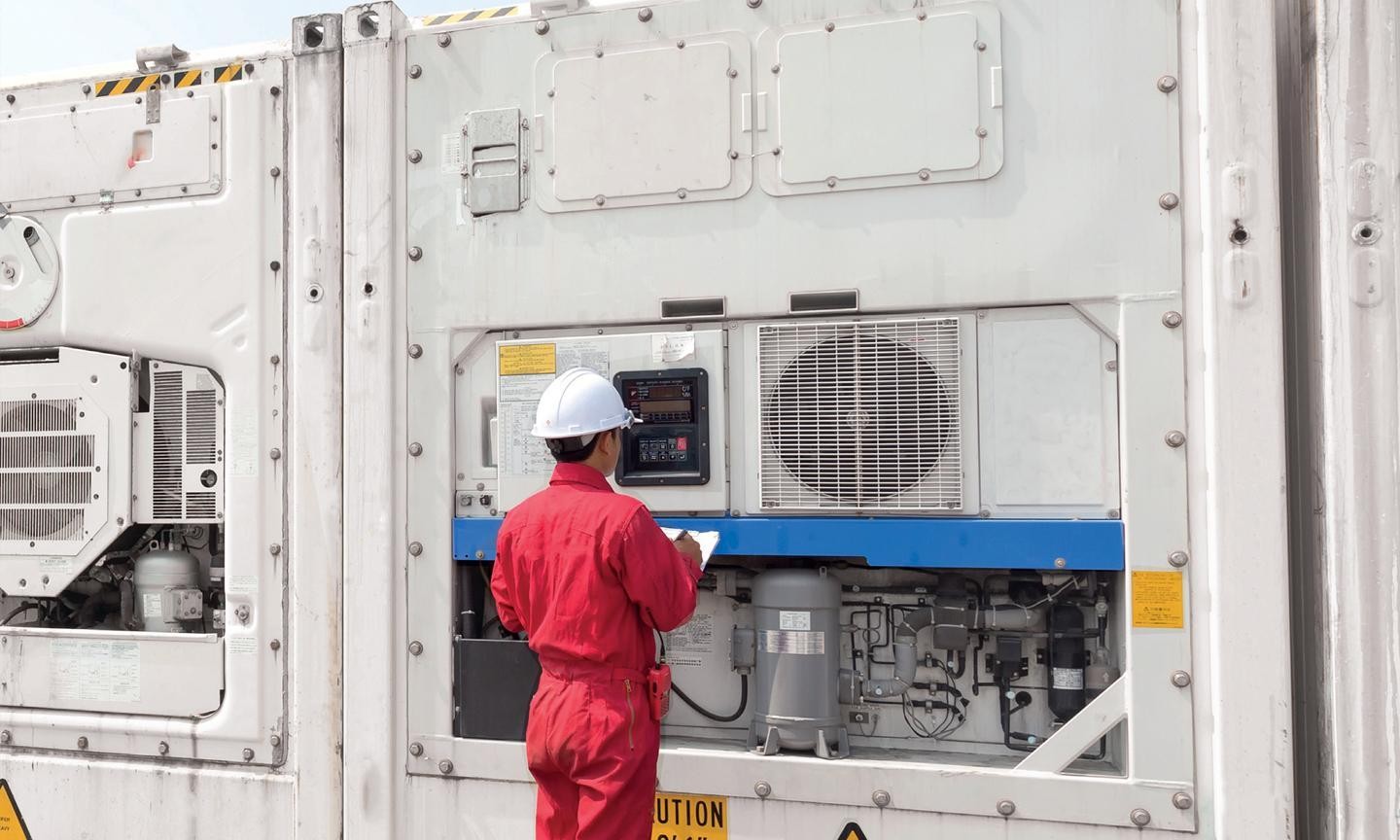
According to www.logupdateafrica.com, Africa’s refrigerated container (reefer) shortage has deepened significantly, with a 55% deficit in Durban and a 30% deficit in Mombasa during peak seasons—based on 2024 data cited by Ocean Network Express (ONE).

Structural Imbalance Drives the Reefer Gap

The gap stems from a fundamental mismatch: imports into Africa—mainly machinery, plastics, and textiles from Asia—arrive in standard dry containers, while exports of perishables require specialised reefers. As ONE notes, this imbalance is worsening just as Africa’s agricultural exports expand, supported by regional integration efforts including the African Continental Free Trade Area (AfCFTA).

  • South Africa remains the continent’s primary container gateway, with citrus accounting for around 40% of containerised exports
  • South African fruit exports have grown at a CAGR of 4.6% over the past decade, expanding beyond oranges to apples, grapes, and cherries
  • Kenya has emerged as a regional export hub, with fruit exports growing at a CAGR of 13.9%, driven by a four-fold increase in avocado production since 2015—making it the world’s sixth-largest producer

Geographic and Operational Constraints

Major production zones—including citrus groves in Limpopo (South Africa) and avocado farms in central Kenya—are located hundreds of kilometres inland. Repositioning empty reefers from coastal ports to these areas adds cost and complexity. To respond, carriers are deploying Non-Operating Reefers (NOR), or ‘Reefer as Dry’ (RAD), using reefer units for dry cargo with cooling systems switched off—enabling more efficient equipment movement into inland regions.

Global Disruptions Amplify Local Shortages

According to DHL’s Ocean Freight Reefer Market Update for Q2 2026, Middle East conflict–driven disruptions in the Red Sea and Strait of Hormuz have forced vessels to reroute via the Cape of Good Hope, adding 10–14 days to transit times and increasing fuel costs. This slows container circulation—not reducing global reefer numbers, but materially cutting effective capacity during peak export windows.

DHL also reports that carriers have restricted some reefer shipments into the Gulf region due to operational risks. Regionally, operators are shifting to alternative hubs such as Jeddah (Saudi Arabia), Salalah (Oman), and UAE gateways, further extending transit times and raising costs.

Cost and Regulatory Pressures Mount

Fuel-driven expenses, war risk surcharges (WRS), and higher bunker adjustment factors (BAF) are contributing to freight rate volatility. The expanded EU Emissions Trading System (EU ETS) adds further cost pressure. Meanwhile, South Africa’s citrus output for the 2026 season is projected at 205–210 million cartons, and Morocco’s harvest is recovering after weather disruptions, with improved yields expected following stabilised temperatures.

“The reefer gap—driven by structural imbalances, inland logistics challenges and global disruptions—remains a key issue shaping the continent’s trade outlook.” — Ocean Network Express report, cited in source

For supply chain professionals, this means seasonal planning must now account for longer equipment dwell times, higher repositioning costs, and tighter coordination between port terminals, inland depots, and origin farms. NOR/RAD deployments offer tactical relief—but long-term resilience requires investment in inland cold storage, rail-linked reefer yards, and regional reefer pooling mechanisms. Without addressing the root imbalance—where export demand outpaces inbound reefer availability—Africa’s perishables growth will remain bottlenecked at the first mile.

Source: www.logupdateafrica.com

Compiled from international media by the SCI.AI editorial team.
More on This Topic

  • Africa Supply Chain Boom: 50%+ Intra-Trade Growth Expected (Apr 20, 2026)
  • Africa’s Supply Chain Resilience Tested by Red Sea & Hormuz Crises (Apr 19, 2026)
  • AI Customs Modernisation Sweeps 5 African Nations (Apr 17, 2026)
  • Africa Logistics Sector Sees $15M Warehouse Investment, East Africa’s First Industrial REIT Launches in March (Apr 16, 2026)
  • 2026 African Supply Chains: Resilience as Strategic Imperative (Apr 15, 2026)
ShareTweet

Related Posts

Africa Supply Chain Boom: 50%+ Intra-Trade Growth Expected
Africa Supply Chain

Africa Supply Chain Boom: 50%+ Intra-Trade Growth Expected

April 20, 2026
4
Africa’s Supply Chain Resilience Tested by Red Sea & Hormuz Crises
Africa Supply Chain

Africa’s Supply Chain Resilience Tested by Red Sea & Hormuz Crises

April 19, 2026
6
AI Customs Modernisation Sweeps 5 African Nations
Africa Supply Chain

AI Customs Modernisation Sweeps 5 African Nations

April 17, 2026
12
Africa Logistics Sector Sees $15M Warehouse Investment, East Africa’s First Industrial REIT Launches in March
Africa Supply Chain

Africa Logistics Sector Sees $15M Warehouse Investment, East Africa’s First Industrial REIT Launches in March

April 16, 2026
10
2026 African Supply Chains: Resilience as Strategic Imperative
Africa Supply Chain

2026 African Supply Chains: Resilience as Strategic Imperative

April 15, 2026
10
Saudi Railways Launches 5 New Supply Chain Rail Routes
Africa Supply Chain

Saudi Railways Launches 5 New Supply Chain Rail Routes

April 14, 2026
14

Leave a Reply Cancel reply

Your email address will not be published. Required fields are marked *

Recommended

World Bank Report Exposes Thailand’s Manufacturing Paradox: 79 Factories Shut in January While Green FDI Applications Double

World Bank Report Exposes Thailand’s Manufacturing Paradox: 79 Factories Shut in January While Green FDI Applications Double

28 Views
February 22, 2026
Iran War Costs Hapag-Lloyd $40–50M/Week: 6 Ships Stuck

Iran War Costs Hapag-Lloyd $40–50M/Week: 6 Ships Stuck

12 Views
March 28, 2026
FedEx和UPS必须适应不断变化的包裹环境

FedEx and UPS Must Adapt to the Evolving Parcel Landscape

22 Views
February 16, 2026
NTI at $2.80/mile, OTRI at 13.40%, OTVI at 10,110: Three-Signal Convergence Points to North American Trucking Inflection in 2026

NTI at $2.80/mile, OTRI at 13.40%, OTVI at 10,110: Three-Signal Convergence Points to North American Trucking Inflection in 2026

10 Views
March 6, 2026
Show More

SCI.AI

Global Supply Chain Intelligence. Delivering real-time news, analysis, and insights for supply chain professionals worldwide.

Categories

  • Supply Chain Management
  • Procurement
  • Technology


  • Risk & Resilience
  • Sustainability
  • Research

© 2026 SCI.AI. All rights reserved.

Powered by SCI.AI Intelligence Platform

Welcome Back!

Sign In with Facebook
Sign In with Google
Sign In with Linked In
OR

Login to your account below

Forgotten Password? Sign Up

Create New Account!

Sign Up with Facebook
Sign Up with Google
Sign Up with Linked In
OR

Fill the forms below to register

All fields are required. Log In

Retrieve your password

Please enter your username or email address to reset your password.

Log In

Scan to share via WeChat

Open WeChat and scan the QR code to share

QR Code

Add New Playlist

No Result
View All Result
  • Supply Chain
    • Strategy & Planning
    • Logistics & Transport
    • Manufacturing
    • Inventory & Fulfillment
  • Procurement
    • Strategic Sourcing
    • Supplier Management
    • Supply Chain Finance
  • Technology
    • AI & Automation
    • Robotics
    • Digital Platforms
  • Risk & Resilience
  • Sustainability
  • Research
  • Expert Columns
  • English
    • Chinese
    • English
  • Login
  • Sign Up

© 2026 SCI.AI