According to www.conquerornetwork.com, Africa’s logistics market is expanding rapidly as governments and private investors jointly upgrade ports, railways, free trade zones, and industrial parks — shifting African logistics from ‘survival mode to strategy mode.’
The New Face of the Africa Supply Chain
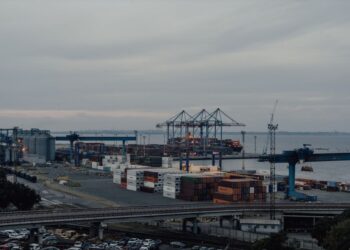
New trade routes are emerging across the continent, anchored by major infrastructure projects including Kenya’s Mombasa Port, Nigeria’s Lekki Deep Sea Port, and Morocco’s Tangier Med. These hubs are enhancing connectivity not only within Africa but also with Europe, the Middle East, and Asia — helping reduce lead times and cut costs for manufacturers and distributors.
Challenges and Opportunities
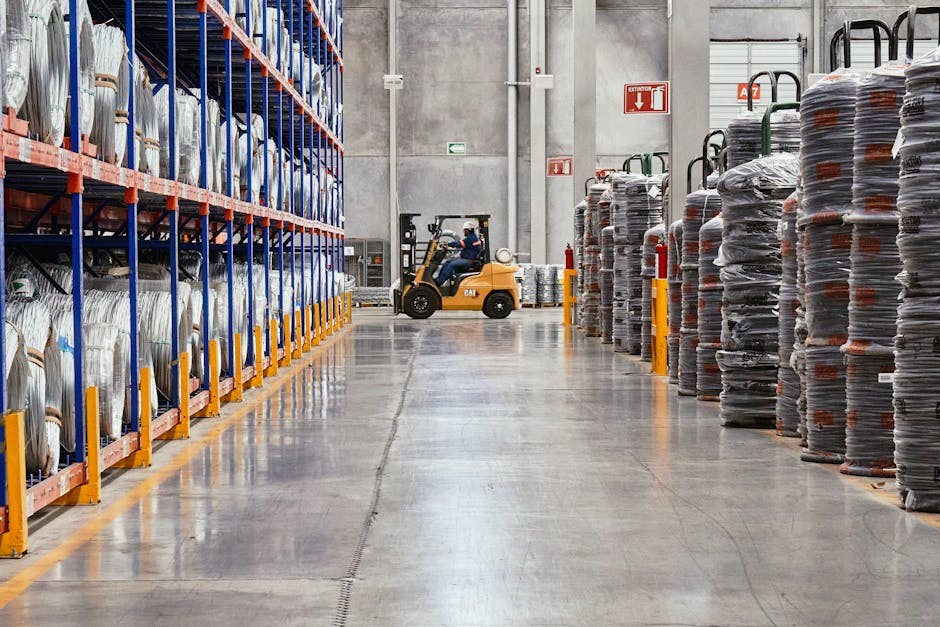
The source states that infrastructure gaps, inconsistent customs procedures, and cross-border bureaucracy remain persistent challenges. Yet each challenge also represents a significant opportunity: digital freight platforms are streamlining customs clearance and cargo tracking; technology adoption is improving supply chain visibility; and rapid e-commerce growth in South Africa, Ghana, and Kenya is driving demand for modern warehousing, cold chain logistics, and last-mile delivery solutions.
Emerging Logistics Hubs
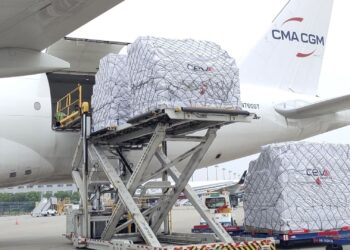
Nairobi, Johannesburg, Casablanca, and Lagos are leading as major logistics anchors, while Kigali, Accra, and Addis Ababa are advancing with smart infrastructure investments. Ethiopia is cited as having one of the fastest-growing cargo airports in Africa, positioning itself as a regional aviation and logistics hub. Morocco’s industrial zones and port infrastructure are enabling its role as a gateway between Africa and Europe. The African Continental Free Trade Area (AfCFTA) is highlighted as a game-changer — creating a single market that could boost intra-African trade by over 50% in the coming decade.
Africa vs Asia for Manufacturing and Logistics
The report notes that rising labor costs in Asia are prompting companies to seek new production bases. Africa’s young workforce, expanding infrastructure, and strategic location make it a strong contender for supply chain diversification. Regional diversity adds advantage: Egypt and Morocco connect directly to European trade routes, while Kenya and South Africa are building robust intra-African logistics networks.
Why Global Networks Matter
For local freight forwarders, competing globally requires reliable international partners, digital tools, and broader trade access. Conqueror Freight Network is presented as a solution — described as ‘the largest exclusive logistics network in the world,’ connecting independent forwarders in Africa with vetted partners in over 134 countries. The network offers digital resources, marketing visibility, and protection programs to support scaling.
Source: www.conquerornetwork.com
Compiled from international media by the SCI.AI editorial team.