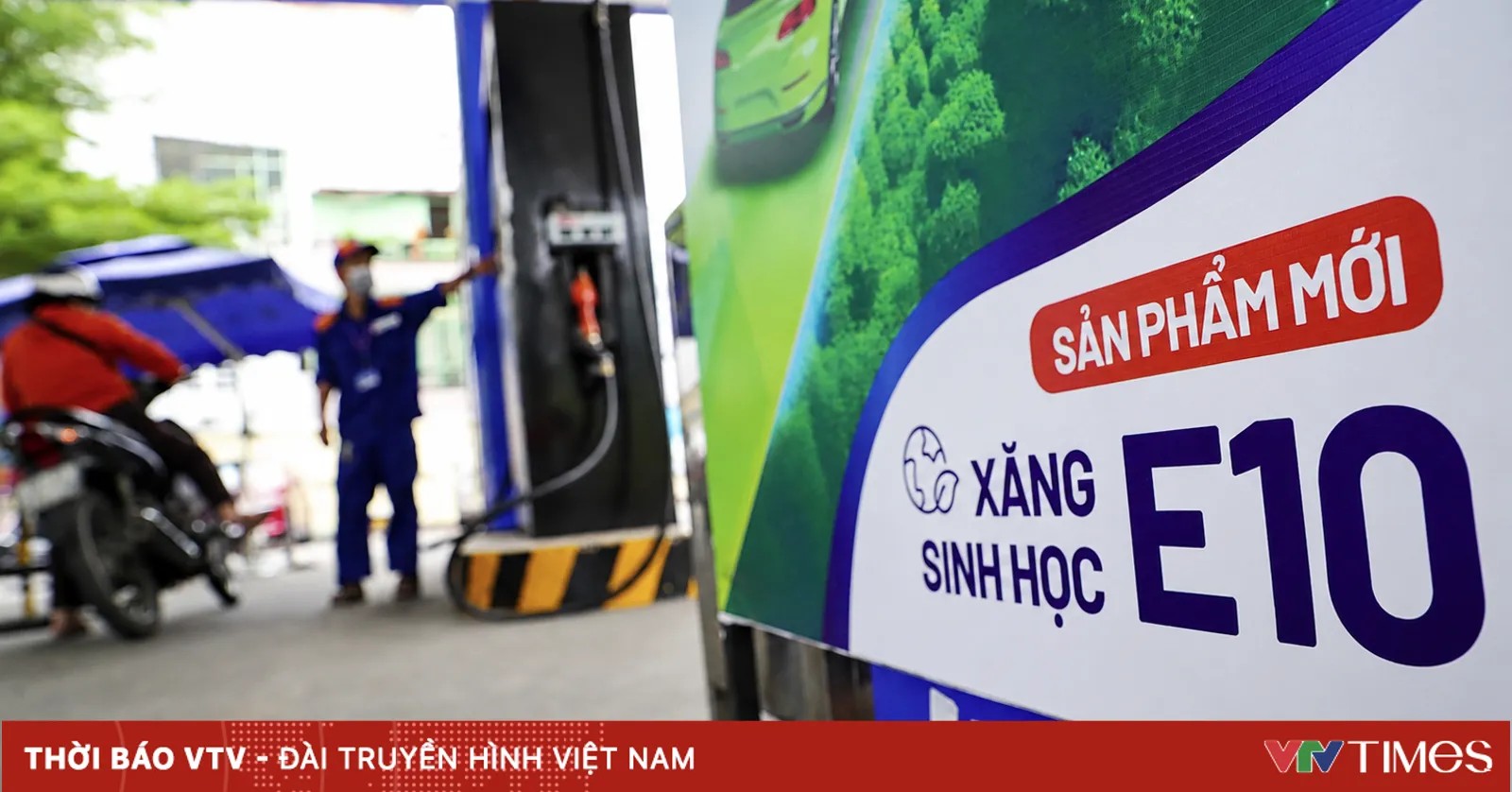
According to www.vietnam.vn, Vietnam has implemented a mandatory, end-to-end gasoline E10 sample retention protocol across the entire fuel supply chain — from primary depots to retail stations — to enforce compliance with QCVN 1:2022 and its Amendment 1:2026.
Systematic Sample Retention Across 5+ Supply Chain Stages
Fuel samples are now required to be retained at every stage of distribution, including primary storage terminals, regional depots, transport vehicles, wholesale hubs, and final retail outlets. This multi-point sampling enables authorities to trace quality deviations and conduct comparative analysis whenever consumers report unusual vehicle performance. According to the Ministry of Industry and Trade, consumer complaints and inquiries about E10 gasoline have declined significantly since implementation began in June 2026.
The system ensures forensic-grade traceability: each retained sample is linked to batch records, time stamps, and location identifiers. As of July 14, 2026, this protocol has been operational for over one month, covering more than 20 technical parameters verified through standardized laboratory testing methods.
Regulatory Framework: QCVN vs. TCVN Distinction
Nguyen Van Khoi, Head of the Standards Department at the National Committee on Standards and Metrology (Ministry of Science and Technology), clarified the dual regulatory architecture governing petroleum products. While TCVN (Vietnamese National Standards) provide voluntary technological guidelines, QCVN (National Technical Regulations) establish legally binding minimum thresholds for safety, quality, and environmental impact.
“Currently, biocommodity management is synchronized from raw materials to finished products,” said Nguyen Van Khoi. “E100 ethanol and B100 biodiesel each have dedicated TCVN standards, while E5 gasoline is controlled by 12 indicators, and E10 gasoline is governed by QCVN 1:2022 and its Amendment 1:2026 to ensure equivalent quality control.” The full QCVN framework includes approximately 20 parameters, ranging from distillation curves and vapor pressure to sulfur content and oxidation stability.
Risk-Based Oversight and Pre-Market Verification
Petroleum products are classified as high-risk commodities under Vietnamese law due to their potential safety hazards. Consequently, all imported or domestically produced fuels must undergo mandatory pre-market conformity assessment. Only batches fully compliant with QCVN requirements receive circulation authorization.
This rigorous oversight has been in place for over 20 years, with national technical regulations continuously updated — beginning with the first QCVN publication in 2009, followed by revisions in 2015 and 2022. Recent supply constraints for gasoline and diesel prompted regulators to raise the ethanol blending level to E10, aligning with government directives issued through the Ministry of Science and Technology.
Consumer Guidance and Vehicle Compatibility
To support safe adoption, the Vietnamese Association of Automobile Manufacturers (VAMA) has intensified outreach targeting owners of vehicles manufactured before 2005. VAMA recommends that these drivers bring their vehicles to authorized dealerships for inspection, performance evaluation, and personalized fuel-use advice.
Consumers are also advised to refuel exclusively at reputable service stations certified under national quality assurance protocols. This recommendation reinforces the broader strategy of linking consumer behavior with verifiable supply chain integrity — where every liter dispensed traces back to a documented, tested, and retained sample.
Source: vietnam.vn
Compiled from international media by the SCI.AI editorial team.