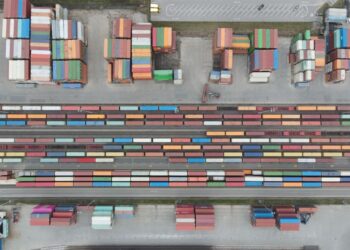
According to indiashippingnews.com, Saudi port developer Red Sea Gateway Terminal (RSGT) has pledged up to $1 billion in investments across Bangladesh’s port and logistics infrastructure, following the launch of full-capacity operations at Chittagong Port’s Patenga Container Terminal.
Chittagong Port Expansion Under RSGT Management
RSGT began operating the Patenga Container Terminal in June 2024 under a 22-year agreement with the Chittagong Port Authority. Over the subsequent two years, the company invested $170 million to upgrade site infrastructure—including deepening berths, expanding yard capacity, and installing modern cargo-handling equipment—before commissioning the final major pieces of equipment last month to achieve full operational scale.
Chittagong Port serves as Bangladesh’s primary maritime gateway, handling the vast majority of the nation’s ocean import and export cargo. It is also the busiest container port on the Bay of Bengal. As the first foreign operator at a Bangladeshi port, RSGT is positioned to significantly influence national trade efficiency and regional connectivity.
TEU Targets and Market Share Growth
In 2026, RSGT expects to handle 400,000 TEU—approximately 12% of total container volume at Chittagong Port. The company projects that figure will rise to more than 500,000 TEU in 2027, representing roughly 17% of the port’s total traffic. These volumes reflect both organic growth and enhanced throughput enabled by newly commissioned quay cranes, automated stacking cranes, and integrated terminal operating systems.
RSGT is also expanding its local workforce, with a deliberate increase in the number of Bangladeshi employees across technical, supervisory, and managerial roles—a move aligned with national capacity-building goals and long-term operational sustainability.
Leadership Statements on Strategic Commitment
During the official opening ceremony held in Dhaka on Tuesday evening, Lars Vang Christensen, group CEO and chairman of RSGT Bangladesh, emphasized the firm’s long-term conviction in the country’s economic trajectory. “This project reflects a strong belief in Bangladesh’s continued growth and the strategic importance of the regional and global trade. Our investment of $170 million demonstrates our commitment to supporting the country’s maritime infrastructure, improving operational efficiency and enhancing Bangladesh competitiveness as a regional logistic gateway to the world,” he said.
“When Red Sea Gateway Terminal decided to invest in Bangladesh, we did that with clear conviction that this country possesses enormous economic potential and a bright future. Through a period of market and global uncertainty and challenging economic conditions, our confidence in Bangladesh remained unwavering.” — Aamer Abdullah Zainal Alireza, Executive Chairman, RSGT
The ceremony was attended by high-level officials including Bangladesh’s Finance Minister Amir Khasru Mahmud Chowdhury and Dr. Rumaih bin Mohammed Al-Rumaih, Saudi Arabia’s deputy minister of transport—underscoring the bilateral significance of the partnership.
Scope and Implications for Regional Trade
The planned $1 billion investment will extend beyond Patenga Terminal to include inland logistics hubs, digital freight platforms, cold-chain facilities, and sustainable port technologies—including shore-power infrastructure and energy-efficient equipment. This aligns with RSGT’s stated focus on “modern infrastructure, advanced logistic solutions, sustainable technologies, and operational excellence.”
For supply chain professionals, the initiative signals growing private-sector confidence in Bangladesh’s role as an emerging manufacturing and export node—not only for ready-made garments but increasingly for electronics assembly, pharmaceuticals, and light engineering goods. With lead times from Chittagong to key markets in Europe and the Middle East averaging 18–22 days, improved port productivity directly reduces landed costs and strengthens just-in-time reliability for multinational buyers.
Source: indiashippingnews.com
Compiled from international media by the SCI.AI editorial team.