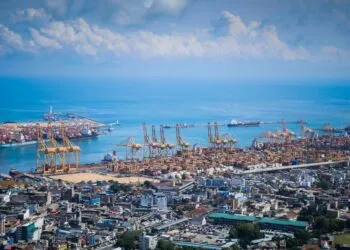
According to devdiscourse.com, the CMA CGM San Antonio, a container ship struck by a missile in the Strait of Hormuz in early May 2026, has sustained such extensive damage that the French shipping group is considering sending it for scrapping.
Severe Damage and Crew Injuries
The missile strike caused critical structural and systems damage to the vessel, rendering it economically unviable for repair. According to the report, several crew members were injured in the attack — though no fatalities were reported. The ship was subsequently escorted safely out of the strait under naval coordination, as confirmed by Rodolphe Saade, Chairman and CEO of CMA CGM.
Gulf Operations Under Review
At the onset of heightened U.S.-Iranian tensions, CMA CGM had 14 ships operating in the Gulf region. Since then, the company has withdrawn multiple vessels and plans to pull back further. The source states that operational decisions are being made on a case-by-case basis, prioritizing crew safety and insurance viability over commercial scheduling.
Transit Fees and Diplomatic Tensions
Speaking at a business conference in France, Rodolphe Saade reiterated the company’s firm opposition to mandatory transit fees imposed in the Strait of Hormuz — a point of contention in ongoing U.S.-Iran negotiations. He emphasized that such fees lack legal basis under international maritime law and would disproportionately impact global trade flows. The source notes that CMA CGM continues to coordinate closely with Iranian authorities on navigation advisories but remains cautious about resuming routine transits without formal security guarantees.
Broader Industry Implications
This incident reflects mounting operational risk for container carriers in high-threat maritime corridors. Other major lines — including Maersk and COSCO — have implemented similar route diversions or armed escort protocols in the Strait of Hormuz and Red Sea since 2024. According to industry data, average insurance premiums for vessels transiting the Gulf rose by 37% in Q2 2026 compared to Q4 2025. Supply chain professionals now face increased complexity in voyage planning, with rerouting adding 5–7 days to Asia–Europe schedules and raising fuel costs by up to $12,000 per day per vessel.
Strategic Positioning Amid Geopolitical Uncertainty
While CMA CGM maintains essential services where required, its fleet redeployment signals a recalibration of regional exposure. The company’s current Gulf presence stands at fewer than 6 ships, down from 14 just weeks prior. This reduction aligns with broader industry trends: Maersk reported a 22% decline in Gulf port calls between March and June 2026, while COSCO suspended scheduled services to Bandar Abbas for four consecutive weeks in May and June.
“The ship has been safely escorted from the strait. However, the shipping line remains cautious about resuming operations in the Gulf, as advised by Iranian authorities amidst ongoing diplomatic tensions.” — Rodolphe Saade, Chairman and CEO of CMA CGM
Source: devdiscourse.com
Compiled from international media by the SCI.AI editorial team.