According to www.indiatoday.in, FedEx is expanding its infrastructure to strengthen supply chain resilience between India and Japan, with a $250 million investment in a state-of-the-art air cargo hub at Navi Mumbai International Airport.
Trade Volume and Strategic Sectors
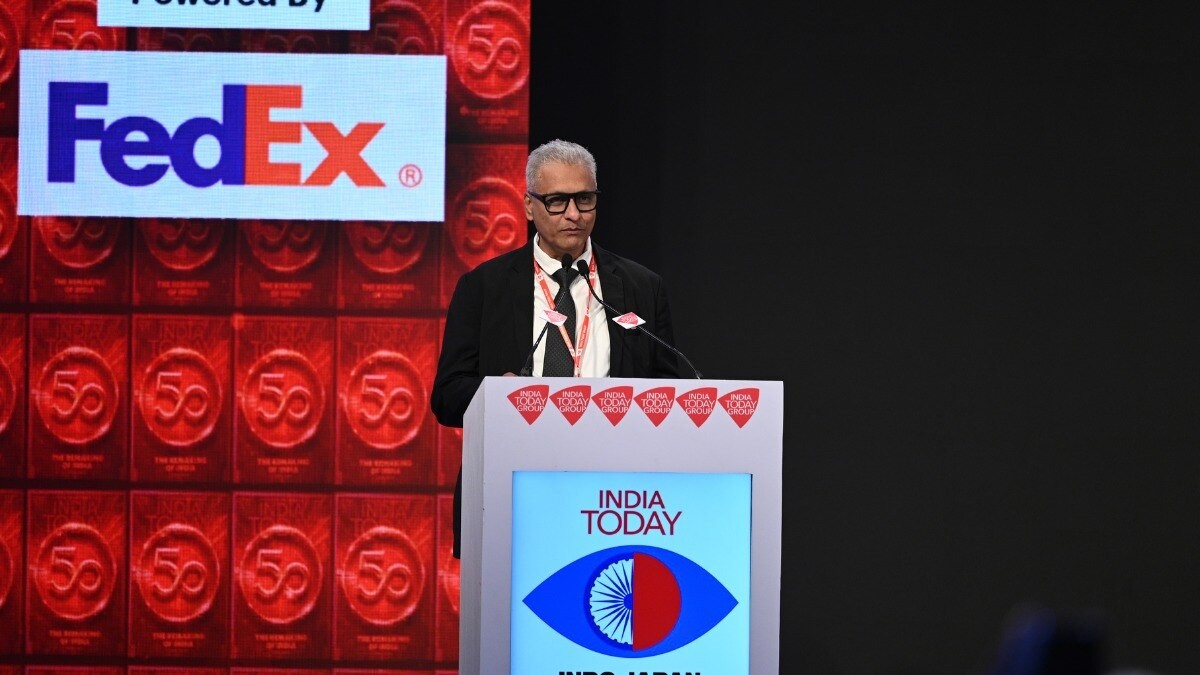
Bilateral trade between India and Japan stands at $27 billion, with Indian exports totaling $6 billion and imports amounting to $21 billion, according to the report. Hemant Pimplikar, managing director, sales, FedEx, presented this data during the India Today Indo-Japan Conclave in New Delhi on May 22, 2026. The high-impact growth sectors driving this trade include semi-conductors, pharmaceuticals, critical minerals, green energy, artificial intelligence, digital services, and scientific cooperation.
FedEx’s Global and Regional Infrastructure
FedEx operates in 220 countries worldwide and reported $88 billion in annual revenue, serving approximately 225 million consumers. Its global logistics footprint includes a fleet of 698 cargo aircraft and 200,000 motorised vehicles, handling 16 million packages daily. In India, FedEx serves 20,000 postal codes and maintains daily air connections between Delhi, Mumbai, and Bengaluru in India and Narita and Osaka in Japan.
India-Specific Capacity Expansion
The company recently added a 60,000 sq ft integrated air hub at Kempegowda International Airport in Bengaluru, bringing its total operational space in the city to 1 lakh sq ft (100,000 sq ft). This expansion complements the $250 million Navi Mumbai air cargo hub project — both aimed at accelerating cross-border shipments. FedEx currently serves three major Indian metro hubs and two key Japanese gateways on a daily basis, enabling time-sensitive movement of industrial, healthcare, and hi-tech goods.
Strategic Supply Chain Partnership
Pimplikar emphasized that the Indo-Japan trade lane transcends traditional corridor functions. According to the source, he stated:
“The Indo-Japan trade lane is not just a corridor. It is becoming one of the most strategic supply chain partnerships in the world. As global supply chains are being redesigned, the corridor is uniquely positioned to lead the shift.”
He added:
“Indo-Japan trade is being fuelled by FedEx through scale, infrastructure and intelligence, enabling faster, more resilient, future-ready supply chains.”
These statements reflect FedEx’s active role in supporting regional decoupling from overconcentrated Asian manufacturing nodes — a trend mirrored by recent moves from DHL (which launched a dedicated India-Japan pharma express lane in Q1 2026) and UPS (which expanded cold-chain capacity in Chennai and Nagoya in early 2026).
Source: www.indiatoday.in
Compiled from international media by the SCI.AI editorial team.