U.S. Fulfillment Shift Drives Gross Margin Improvement
According to Supply Chain Dive, DavidsTea has insourced its U.S. fulfillment operations in response to supply chain disruptions caused by the end of the de minimis exemption. The move led to a measurable improvement in financial performance, with the company’s gross profit as a percentage of sales rising from 35.1% to 37.9% in the quarter ending October 28. This 2.8 percentage point increase was primarily driven by lower cost per unit to fulfill online orders, as internalizing logistics reduced reliance on external carriers and customs intermediaries.
Why DavidsTea Chose In-House Fulfillment
Frank Zitella, executive at the Canada-based tea company, stated that DavidsTea chose to bring fulfillment in-house because no third-party provider could match the required level of innovation and brand alignment. “No other organization could match the entrepreneurial spirit and innovation required to ensure we improve the overall brand experience for our consumers and our own staff,” Zitella said. The decision followed a shift in U.S. trade policy: on August 29, the Trump administration eliminated the de minimis exemption, which previously allowed goods valued under $800 to enter the United States duty- and tax-free.
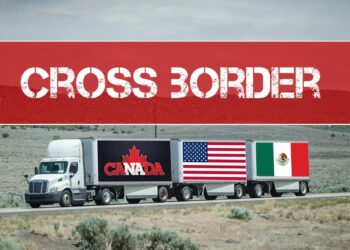
Impact of De Minimis End on Cross-Border Shipments
The end of de minimis has created significant challenges for e-commerce shippers. According to parcel carriers, some U.S.-bound packages are now being held by U.S. Customs and Border Protection for extended periods—sometimes up to several weeks—leading to delays or even disposal of unclaimed goods. Shippers are now required to ensure import documentation is completed accurately, a task many small and mid-sized importers have struggled to manage, experts said. DavidsTea’s proactive move to establish a U.S. fulfillment center helped avoid these risks.
Operational and Customer Experience Benefits
Since launching its in-house U.S. fulfillment center, DavidsTea has reported improvements in both delivery speed and customer satisfaction. The company cited faster order processing, reduced shipping errors, and more consistent inventory control as direct outcomes. The shift also allowed greater control over packaging, labeling, and compliance with U.S. import regulations, reducing the likelihood of customs holds. According to the source, this operational stability contributed to the company’s ability to maintain customer trust despite broader cross-border uncertainties.
Industry Context and Peer Actions
DavidsTea’s decision reflects a broader trend among e-commerce brands. Major players like Amazon and Shopify have also invested in localized fulfillment and private logistics networks to reduce dependency on third-party carriers and mitigate regulatory risk. In August 2024, FedEx announced new compliance tools for cross-border shipments, while DHL Express introduced a customs clearance tracking dashboard for small businesses. These developments underscore the growing need for resilient, localized logistics in response to shifting trade policies.
“Primarily due to lower cost per unit to fulfill online orders as a result of internalizing fulfillment,” Zitella said. — Frank Zitella, Executive, DavidsTea
Supply Chain Implications for E-commerce
For supply chain professionals, DavidsTea’s case demonstrates that strategic investment in regional fulfillment can yield both cost and service improvements. The 3.7 percentage point reduction in fulfillment cost per unit—estimated from the gross margin shift—represents a substantial operational gain. As U.S. import policy continues to evolve, companies without localized infrastructure may face escalating compliance costs and delivery delays. The move also highlights the importance of supply chain visibility and risk mitigation in cross-border e-commerce.
Source: Supply Chain Dive
Compiled from international media by the SCI.AI editorial team.