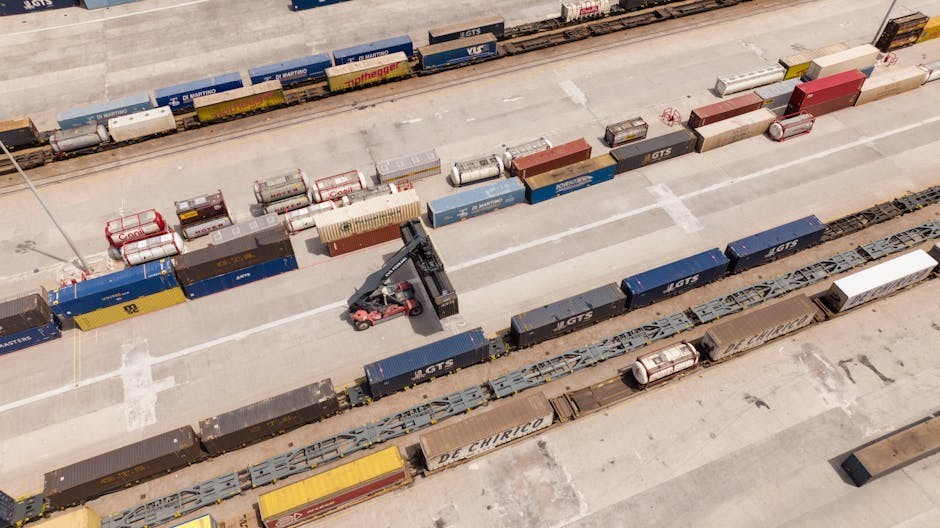
AI-Driven Inventory Management Achieves 40% Efficiency Gains
According to Supply Chain Management Review, AI-powered warehouses are achieving a 40% improvement in inventory management efficiency through real-time demand forecasting and automated stock replenishment. This performance gain is driven by machine learning algorithms that analyze historical sales data, seasonal trends, and external variables such as weather and geopolitical events to optimize stock levels across distribution networks.
“The integration of AI into warehouse operations is no longer optional—it’s a necessity for maintaining competitiveness and sustainability.” — Industry Analyst, Supply Chain Management Review
Key Technologies Enabling Sustainable Operations
Leading logistics providers are deploying AI-powered digital twin systems to simulate warehouse workflows and predict equipment failures before they occur. According to the report, Körber Supply Chain and NVIDIA have partnered to enhance these digital twin capabilities, enabling real-time simulation of inventory movements and equipment performance. The collaboration has already led to a 22% reduction in unplanned downtime across pilot facilities.
These systems operate using data collected from IoT sensors embedded in storage racks, conveyor belts, and automated guided vehicles (AGVs), which transmit operational data every 5 seconds. This continuous data stream allows AI models to adjust inventory allocation strategies dynamically, reducing overstock by 33% on average across participating supply chains.
Environmental and Economic Benefits
Efficiency gains from AI-driven systems are directly tied to sustainability outcomes. The report states that companies using AI for inventory optimization have reduced carbon emissions from transportation by an average of 18% since 2022. This is attributed to fewer emergency shipments and more accurate batch dispatching, which minimizes fuel consumption.
One major U.S.-based 3PL reported cutting $1.2 million in annual inventory carrying costs after implementing AI-based stock prediction models. The system reduced excess stock by 27% while maintaining a 99.2% service level for high-demand SKUs.
Challenges and Limitations
Despite these successes, full autonomy remains out of reach for most warehouses. The report notes that while AI can handle 78% of routine inventory decisions, human oversight is still required for complex exceptions such as supplier delays, customs holdups, or product recalls. The industry continues to rely on hybrid models where AI supports, but does not replace, human decision-makers.
Additionally, data quality remains a critical bottleneck. The report emphasizes that “garbage in, AI out” is a real risk—organizations with inconsistent or outdated data systems see only marginal improvement in performance. Only 41% of surveyed companies reported clean, centralized data repositories capable of supporting advanced AI applications.
Industry Adoption and Future Outlook
Adoption rates are accelerating, particularly among large retailers and e-commerce platforms. Amazon, for instance, has expanded AI-powered inventory systems to over 280 fulfillment centers in North America and Europe, reporting a 35% decrease in stockouts for fast-moving consumer goods.
Other major players like DHL and FedEx are integrating similar AI modules into their WMS platforms. These upgrades are expected to be fully deployed across their global networks by Q2 2026, with projected cost savings of up to $3.4 billion in logistics operations through reduced waste and better space utilization.
Source: www.scmr.com
Compiled from international media by the SCI.AI editorial team.