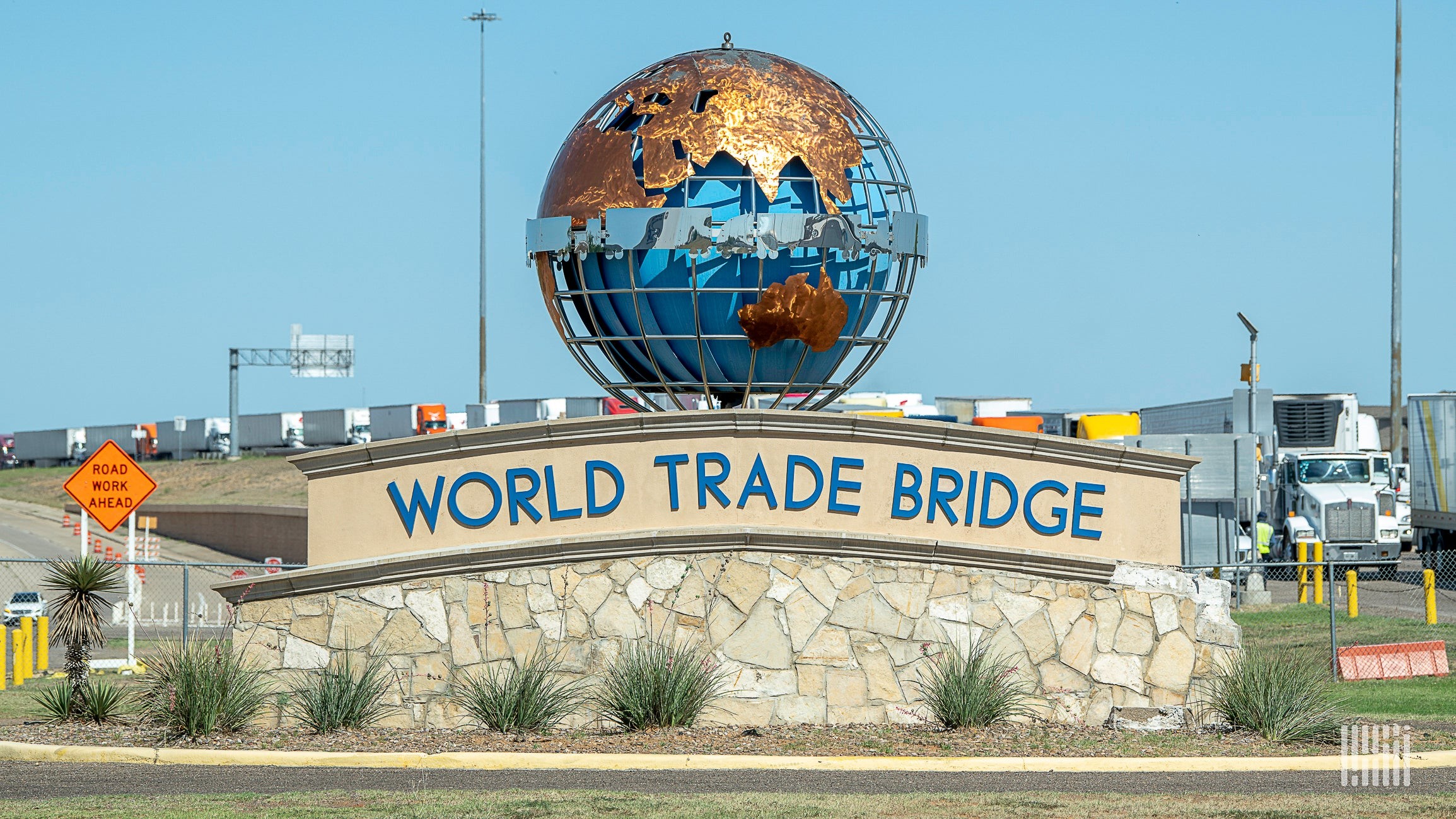
According to www.freightwaves.com, the six-year review of the United States-Mexico-Canada Agreement (USMCA), scheduled for 2026, represents a major inflection point for North American trade policy and supply chain structure. The agreement, which entered into force on July 1, 2020, includes a 16-year sunset clause with a mandatory joint review at the six-year mark to determine whether it will be extended.
USMCA Review: Not Routine — But Decisive
Former U.S. Trade Representative Katherine Tai described the upcoming review as a critical decision point—not a procedural formality—during her March 26, 2026, keynote at Rice University’s Baker Institute. She emphasized that the USMCA must be both extended and updated to reflect new economic realities, including intensifying competition from China, urgent needs for supply chain resilience, evolving energy policy, and the rapid emergence of artificial intelligence.
Supply Chain Resilience Over Tariff Reduction
Tai stated explicitly that neither NAFTA nor USMCA were designed to foster resilience: “
Neither NAFTA nor USMCA were designed to foster resilience. It is high time to learn from the painful lessons of recent years.
According to the report, this shift in focus reflects hard-won experience from pandemic-era disruptions, port congestion, and geopolitical shocks—including U.S. tariffs on $370 billion worth of Chinese goods under Section 301, which continue to influence nearshoring decisions across Mexico’s border states.
Automotive Rules of Origin Under Scrutiny
The automotive sector remains central to the review. USMCA’s rules of origin require 75% regional value content for tariff-free treatment—up from 62.5% under NAFTA—and mandate that 40–45% of auto content be produced by workers earning at least $16 per hour. Tai noted these provisions were pivotal in both NAFTA and USMCA negotiations and remain vital as North American automakers face mounting pressure from Chinese EV exports projected to reach $120 billion annually by 2027 (per U.S. International Trade Commission data cited in related FreightWaves coverage).
Labor Enforcement: Rapid Response Mechanism in Action
The USMCA’s Rapid Response Mechanism (RRM) allows labor complaints to be filed against specific Mexican facilities. As Tai confirmed, the U.S. initiated the first-ever RRM case in May 2021 targeting a General Motors facility in Silao, Mexico, following documented reports of worker intimidation and ballot destruction during a union vote. That action led to a rerun election, rejection of the incumbent union, and formation of an independent union. During Tai’s tenure as USTR, the U.S. launched more than 30 RRM cases, resulting in back pay, worker reinstatements, and improved conditions affecting tens of thousands of workers.
Digital Trade, AI, and Climate Policy Gaps
Tai identified three key gaps requiring modernization: digital trade rules modeled after Section 230 liability protections; insufficient integration of climate and energy transition policies; and absence of binding frameworks for AI governance in cross-border data flows. She stressed that USMCA’s digital chapter—negotiated before generative AI’s commercial explosion—no longer aligns with current political or economic realities. According to the source, North America has missed opportunities to embed clean energy standards (e.g., grid decarbonization timelines, battery mineral sourcing criteria) into trade enforcement mechanisms.
Strategic Integration, Not Fragmentation
Tai concluded that North America is moving toward what she termed “smarter, more strategic integration”—a calibrated approach prioritizing economic security over ideological integration or disintegration. This stance directly informs practical supply chain decisions: since 2020, U.S. nearshoring investment in Mexico has grown 42% year-over-year (per 2025 U.S. Department of Commerce data), with 87% of new manufacturing facilities opened in Mexico’s northern states between 2022 and 2025, according to the Mexican Secretariat of Economy.
Source: FreightWaves
Compiled from international media by the SCI.AI editorial team.