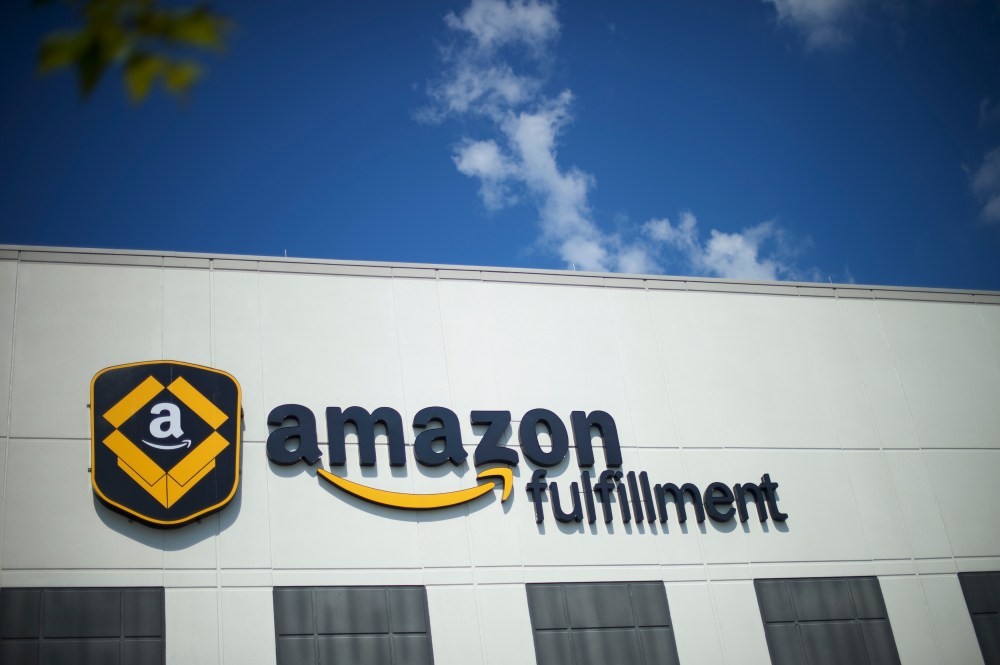
According to wwd.com, Amazon has opened its end-to-end logistics infrastructure to all businesses—not just its marketplace sellers—marking a strategic expansion into the third-party logistics (3PL) market with capabilities mirroring those of its cloud division, Amazon Web Services (AWS).
Amazon Supply Chain Services (ASCS) Portfolio
Amazon Supply Chain Services (ASCS) consolidates previously siloed internal functions: Fulfillment by Amazon (FBA), Amazon Warehousing and Distribution (AWD), and Amazon Global Logistics (AGL). AGL enables businesses to book freight from China and Vietnam and ship directly to Amazon fulfillment centers. Additional ASCS offerings include inventory replenishment, demand forecasting, and customs clearance. Peter Larsen, Amazon’s vice president of the ASCS unit, stated:
“Supply chain wasn’t just a function at Amazon—it was core to providing an exceptional shopping experience. Our differentiator… With the launch of ASCS, we’re confident we can give any other business access to the same cost efficiency, reliability and speed that we’ve built for Amazon customers.” — Peter Larsen, Vice President, ASCS
Early Adopters and Industry Adoption
Apparel retailers American Eagle Outfitters (AEO) and Lands’ End are among the first confirmed adopters. AEO is using Amazon’s parcel shipping network to deliver online orders from both its American Eagle and Aerie websites directly to customers nationwide. Lands’ End is deploying a unified inventory pool within Amazon’s network to fulfill orders across multiple sales channels. Andrew McLean, CEO of Lands’ End, said:
“Amazon is one of our key e-commerce partners, and we’re excited to leverage Amazon Supply Chain Services to position inventory closer to customers so we can reach them even faster. This consistency is central to our solutions-based approach, enabling us to serve customers with confidence and agility, especially during peak seasons.” — Andrew McLean, CEO, Lands’ End
Procter & Gamble is using Amazon’s freight services to move raw materials to production facilities and finished goods across its distribution network; 3M is leveraging ASCS to move products from its manufacturing sites to global distribution centers.
Market Reaction and Competitive Impact
The announcement triggered sharp declines in shares of major logistics providers on Monday trading: FedEx fell 9 percent, UPS dropped 10 percent, and DHL declined 9 percent. Other affected firms included C.H. Robinson (−9 percent), GXO (−17 percent), and Kuehne+Nagel (−7.5 percent). Jason Miller, professor of supply chain management at Michigan State University’s Eli Broad College of Business, noted the move reflects industry-standard diversification:
“It represents diversification building on Amazon’s already existing capabilities, a common pattern we see in the transportation/3PL space.” — Jason Miller, Professor, Michigan State University
Market Context and Growth Trajectory
According to Armstrong & Associates, 94 percent of U.S. Fortune 500 companies now work with at least one 3PL—up from 46 percent in 2001. Amazon’s third-party service offerings generated $172.2 billion in net sales in 2025, representing nearly 24 percent of Amazon’s total revenue. In Q1 2026, these services delivered $41.6 billion in net sales, or 23 percent of Amazon’s revenue, growing 13.9 percent year over year—outpacing the 12 percent growth of Amazon’s online store sales. Sellers using Amazon’s end-to-end logistics solutions see nearly 20 percent higher sales, per Amazon’s internal data. The company is extending ASCS to support B2B shipments in healthcare, automotive, and manufacturing sectors—though Miller cautioned that Amazon will likely compete first in commoditized, non-specialized segments rather than highly regulated or value-added niches like clinical logistics.
Source: wwd.com
Compiled from international media by the SCI.AI editorial team.