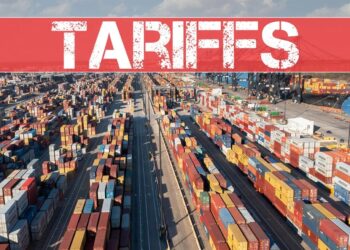
According to news.yrules.com, Brazil, Mexico, and Colombia collectively account for approximately 60% of all air cargo traffic in Latin America, with outbound volumes representing more than 60% of that total — a structural concentration confirmed by data presented at Cargo Facts Latam 2026.
The Three-Hub Dominance: Infrastructure, Geography, Policy
São Paulo’s Guarulhos International Airport serves as South America’s premier cargo hub, handling Brazilian coffee, agricultural commodities, and high-value manufactured goods bound for North America and Europe. Bogotá’s El Dorado International Airport occupies a strategic mid-continental position, functioning as the natural gateway for Andean and Caribbean trade flows — especially Colombia’s world-leading flower export industry. Mexico leverages its proximity to the United States and the USMCA trade framework to act as the critical bridge between North and South American supply chains. Major global freight carriers — including LATAM Cargo, Avianca Cargo, and Aeromexico Cargo — have built network strategies around these three hubs, creating a self-reinforcing cycle of capacity and demand.
Mexico’s 8% Import Surge: Nearshoring’s Air Cargo Footprint
Mexico recorded an approximately 8% increase in imports from the United States beginning in January 2025. This surge occurred simultaneously with a roughly 36% decline in Chinese air exports to the US and an approximately 26% drop in Canadian exports to the US. The shift reflects accelerated nearshoring: semiconductor components, automotive parts, aerospace assemblies, and medical devices now dominate time-sensitive air shipments into Mexican manufacturing hubs. Cross-border corridors serving Monterrey, Guadalajara, and Ciudad Juárez are experiencing unprecedented demand growth — prompting carriers to reallocate freighter capacity and invest in new ground handling infrastructure at Mexican airports.
E-Commerce Rebalances One-Way Flows
E-commerce has become the primary driver of inbound air cargo growth across Latin America, particularly for flows originating in the United States. According to Cargo Facts Consulting director Guillermo Ochovo, Mexico and India recorded the highest e-commerce growth rates globally in 2025, surpassing more mature digital retail markets. Brazil’s Pix instant payment system and rising regional smartphone adoption have removed key barriers to online commerce. Platforms including Mercado Libre, Amazon, and Shopee are expanding fulfillment centers and last-mile networks — shifting Latin America’s historically export-heavy air cargo model toward greater bidirectional balance. São Paulo, Mexico City, and Bogotá absorb the bulk of this growth, but secondary cities are emerging as regional fulfillment hubs.
Freighter Fleet Stagnation: A Supply-Side Constraint
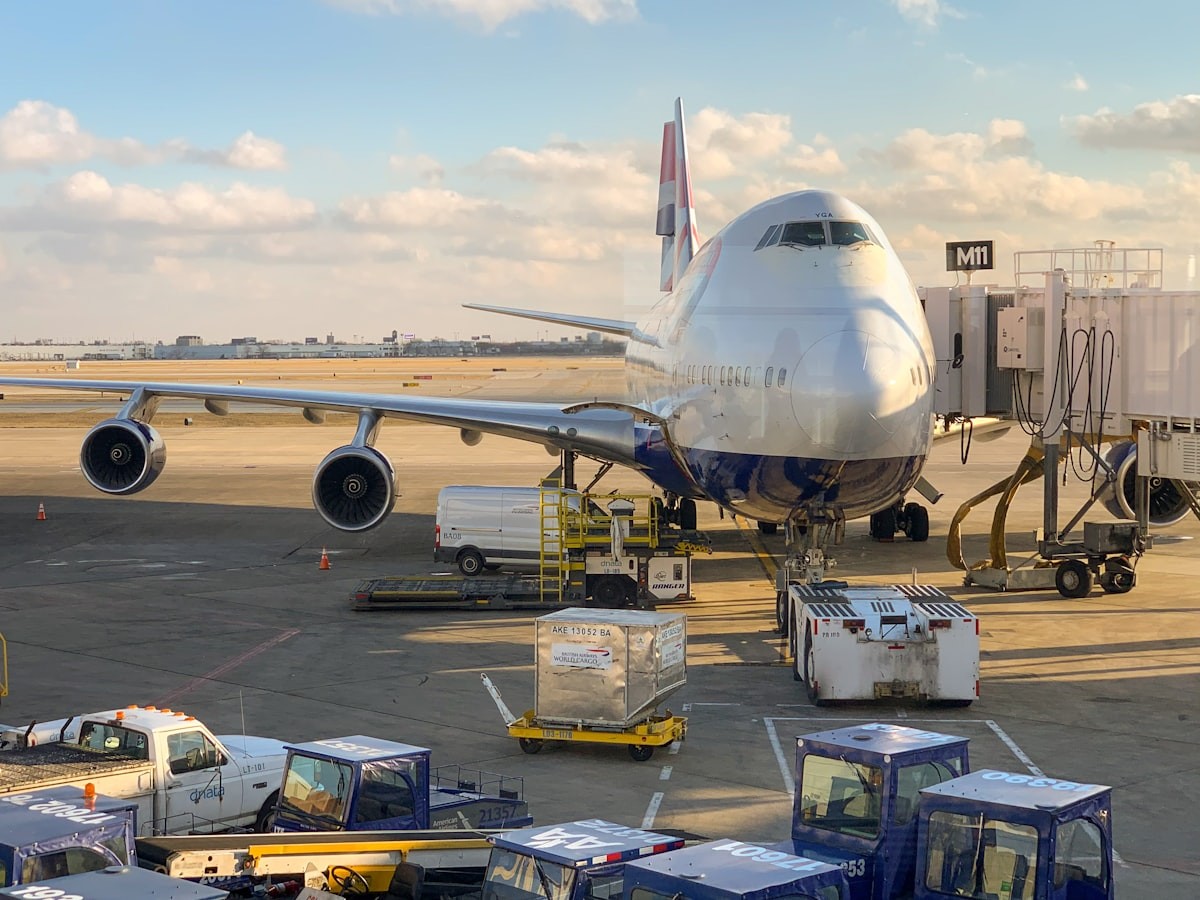
The global freighter fleet grew by less than 1% year-over-year in Q4 2025, a sharp deceleration from pandemic-era expansion. As of December 2025, the global active jet fleet totaled 2,257 aircraft, with dedicated freighters accounting for just 11% of that total. Over the past two decades, the freighter fleet expanded by 529 aircraft. This constrained supply is reshaping air cargo economics — intensifying competition for available belly capacity and driving selective rate increases on high-demand lanes such as US–Mexico cross-border routes.
Source: news.yrules.com
Compiled from international media by the SCI.AI editorial team.