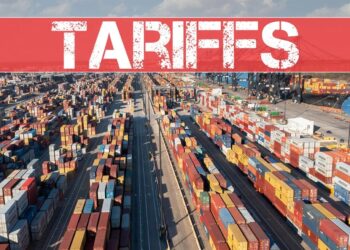
According to indiandefencereview.com, Hyundai and its logistics arm Hyundai Glovis completed a landmark international freight test in spring 2026: 900 vehicles moved from South Korea to Brunswick, Georgia, in just 72 hours, using Mexico’s newly operational Interoceanic Corridor of the Isthmus of Tehuantepec.
First Commercial-Scale Multimodal Test
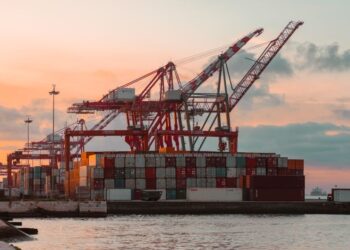
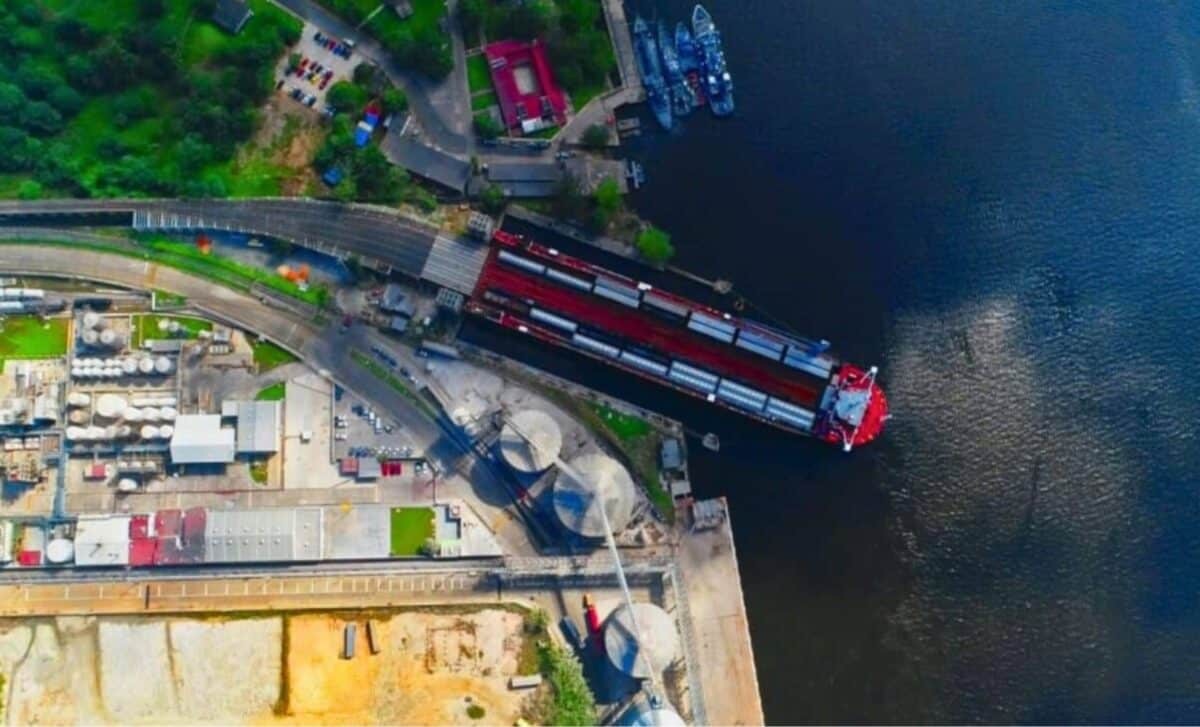
The shipment originated in South Korea and arrived at the Pacific port of Salina Cruz in Oaxaca, Mexico. There, crews loaded the vehicles onto 50 BI-MAX freight wagons designed specifically for automotive transport. Trains traveled along Line Z, a 303-kilometer rail route, reaching Coatzacoalcos on the Gulf of Mexico in approximately nine hours. Cargo was then transferred to a second vessel for the final leg to Brunswick, Georgia. This marked the first full-scale commercial validation of the corridor’s multimodal logistics platform, which integrates four ports—Salina Cruz, Coatzacoalcos, Dos Bocas, and Puerto Chiapas—under Mexican Navy management.
Drought Pressure on Panama Canal Accelerates Alternative Route Adoption
The timing reflects intensifying climate stress on the Panama Canal. A 2025 study in Geophysical Research Letters projected that drought conditions like those seen in 2023 could occur twice as often by 2100 under high-emissions scenarios. Led by Samuel Muñoz of Northeastern University, the research modeled Gatún Lake—the canal’s sole freshwater source—and found that under the highest-emissions pathway, monthly rainfall during Panama’s wet season (May–August) could decline by roughly 50 millimeters. Each canal transit consumes more than 26 million gallons of freshwater. In 2023, operators cut daily transits from 38 ships to as few as 22, forcing load reductions and causing delays exceeding two weeks for some cargo.
Infrastructure Timeline and Capacity Roadmap
Line Z entered service in December 2023. A second rail line, Line FA, began operations in September 2024 and runs from Coatzacoalcos toward Palenque. Line K, stretching 447 kilometers toward the Guatemalan border, inaugurated its first section in November 2025. Mexico’s infrastructure project registry lists 14 planned industrial parks along the corridor, with several already concessioned to private developers. Full operational capacity is scheduled for mid-2026.
Strategic Positioning and Geopolitical Engagement
Mexico formally presented the corridor to U.S. officials in June 2024, with its Secretary of Foreign Affairs and Secretary of the Navy pitching it as a platform capable of serving up to 10 percent of demand from the U.S. East and Midwest. Tax incentives are attached to development zones along the route.
“This test strengthens the Interoceanic Corridor as a strategic new route linking Asia with the U.S. East Coast.” — Nino Morales, President of the CIIT Oversight Commission
Economist Omar Cancino, a specialist in southern Mexican economics, stated the corridor “stands to become a crucial alternative for global trade, especially amid ongoing shifts in international supply chains and geopolitical uncertainty.” Nearshoring trends have accelerated manufacturing investment in Mexico, increasing demand for resilient, non-Panama routing options.
Safety, Environmental, and Social Challenges
Operational progress has faced setbacks. In December 2025, a passenger train derailed in Oaxaca, killing more than a dozen people. The crash triggered congressional inquiries into construction contracts and oversight gaps on the military-managed rail system. Indigenous communities in Oaxaca and Veracruz have challenged land use for industrial parks, leading courts to pause some construction. Environmental groups warn that new roads and energy infrastructure could reduce tropical forest cover across the region.
Source: indiandefencereview.com
Compiled from international media by the SCI.AI editorial team.