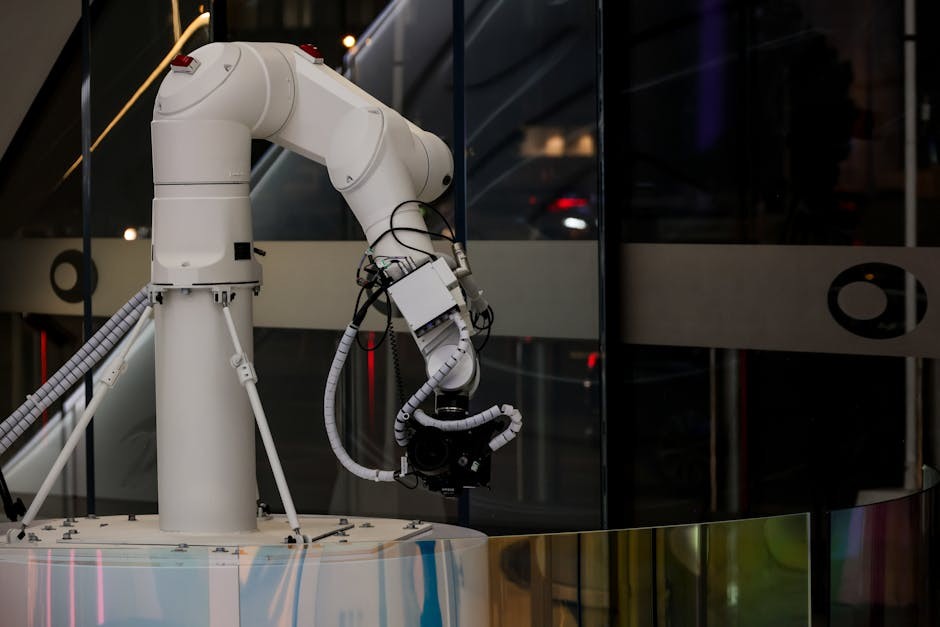
Krones Introduces First Robotic Container Distribution System
According to roboticsandautomationnews.com, Krones has launched Robobox SynFlow, the first system to use robotics for container distribution in beverage packaging lines. This marks a milestone in industrial automation, replacing traditional guide rails with intelligent robotic handling.
Modular Design for Flexible Production Lines
Robobox SynFlow is available in two configurations. The smaller model, capable of handling up to 55,000 containers per hour, uses a single tripod robot and supports three to nine lanes in the Variopac Pro packer. The larger version, designed for high-speed lines with dual labellers, employs two tripod robots and can process up to 105,000 containers per hour, also supporting three to nine lanes.
Intelligent Robotics Ensure Consistent Flow
Unlike conventional systems that rely on fixed guide patterns, Robobox SynFlow uses intelligent robotics to dynamically adjust container distribution. The system detects gaps in the flow and compensates in real time, ensuring the packer receives a consistent supply. According to the source, this reduces the need for manual operator intervention, which previously occurred at the end of production batches due to inconsistent lane filling.
"The intelligent robotics immediately recognise the changed circumstances and trigger an immediate emergency stop to prevent any damage to the Robobox SynFlow or containers." — Source article
Specialized Grippers and Energy Efficiency
The system uses positive-fit precision grippers to handle containers gently and accurately, even turning them to align labels correctly. The gripper guides are magnetically attached to the tripod, detaching during collisions to prevent mechanical damage. The delta robot model is specifically engineered for lightweight containers, utilizing parallel kinematics for synchronized axis movement.
Conveyors within the machine use high-performance permanent-magnet motors, which consume up to 50% less power than traditional asynchronous motors. This efficiency contributes to lower operating costs and reduced energy demand across the production line.
Space Savings and Integration Advantages
Despite being a complete machine rather than simple guide rails, Robobox SynFlow reduces the overall footprint of the production line by approximately 10%. The smaller version can variably adjust container speed down to 16% of the line speed, eliminating the need for separate speed control conveyors. The larger version eliminates the need for an Inliner, allowing direct connection between labellers, distribution system, and packer, further reducing space requirements.
- Handles glass bottles, PET bottles, and cans
- Supports container diameters from 40 to 125 millilitres
- Uses tripod robots with fixed-position drives
- Reduces line footprint by up to 10%
- Consumes up to 50% less power than conventional motors
Industry Context and Practical Implications
Similar to recent automation moves by companies like ABB Robotics and Comau, Krones’ Robobox SynFlow reflects a broader trend toward intelligent, adaptive systems in manufacturing. The adoption of robotics in packaging is increasing, with the global industrial robotics market projected to reach $174 billion by 2027, according to Statista (2024). This technology enables faster changeovers, reduces downtime, and improves throughput in high-mix, high-speed environments.
For supply chain professionals, this innovation means fewer bottlenecks at packaging stations. By minimizing manual intervention and ensuring consistent lane filling, the system supports just-in-time production and reduces waste from misaligned or incomplete packs. The ability to handle specially shaped containers also expands flexibility for brands introducing new product formats without redesigning entire lines.
Source: Robotics & Automation News
Compiled from international media by the SCI.AI editorial team.