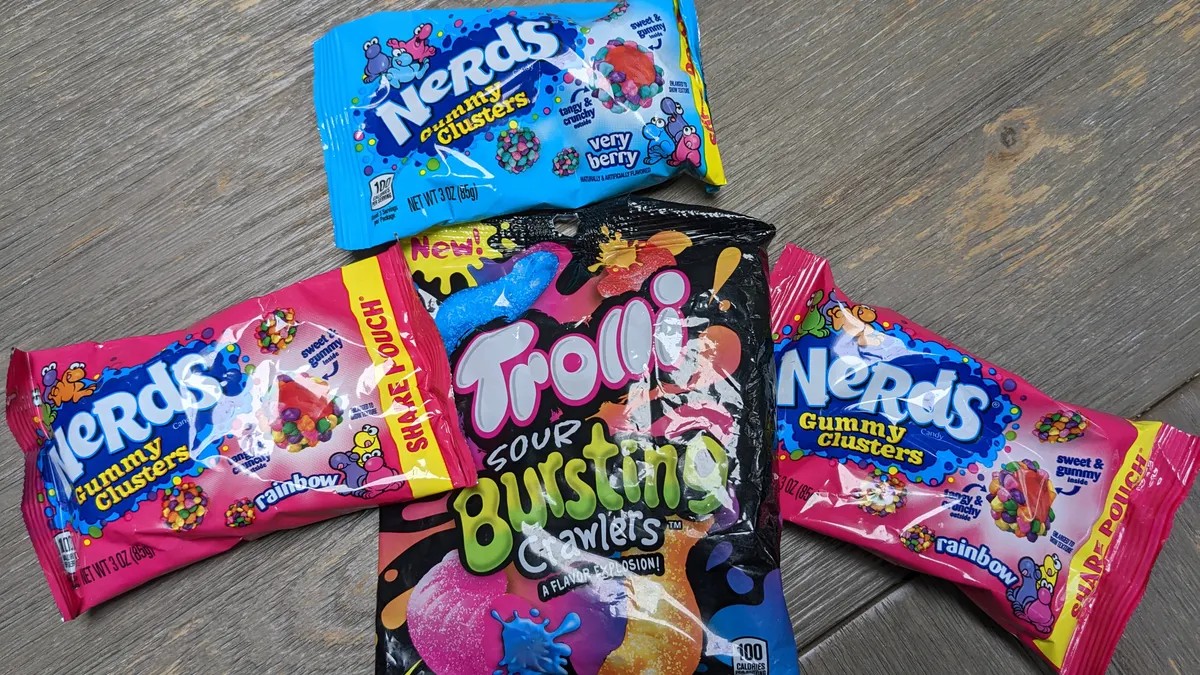
According to www.fooddive.com, Ferrara Candy Company plans to invest $675 million to construct a new manufacturing facility in Orangeburg, South Carolina. The 750,000-square-foot site will house processing and packaging lines, a warehouse for raw and pack materials, and an administrative office — all supporting elevated demand for confectionery products including Nerds Gummy Clusters and Trolli Sour Bursting Crawlers.
Strategic Scale-Up Amid Sector Consolidation
The Orangeburg plant is positioned as a cornerstone of Ferrara’s long-term growth strategy. As stated by Marco Capurso, Ferrara’s CEO:
“The facility represents a major step forward in transforming Ferrara’s manufacturing scale and capability, positioning the company for long-term global leadership.”
Once operational, the site is expected to generate approximately 1,000 manufacturing and corporate jobs over the next decade. First production lines are scheduled to come online in the first quarter of 2029.
Context: A Rapidly Consolidating Confectionery Landscape
Ferrara — a 118-year-old privately held company affiliated with Ferrero, maker of Nutella — has significantly expanded its portfolio through strategic acquisitions. In 2018, Ferrero’s acquisition of Nestlé’s candy business for nearly $3 billion brought SweeTarts, Laffy Taffy, and Nerds under Ferrara’s operational umbrella. The Nerds brand, once described in the source as “once-sleepy,” has since evolved into a driver of innovation, notably spawning the fast-growing Nerds Gummy Clusters line. Further expansion followed with the 2023 purchase of Jelly Belly for an undisclosed amount.
This capital commitment reflects broader industry behavior: despite softening consumer spending, food and beverage manufacturers continue investing in domestic capacity. Anheuser-Busch recently announced it is doubling its domestic manufacturing investment to $600 million; Danone is expanding yogurt facilities to meet demand for Oikos and Activia. For supply chain professionals, such moves signal sustained pressure to align procurement, logistics, and inventory planning with accelerated regionalized production — especially where labor availability, infrastructure readiness, and proximity to key distribution hubs (e.g., Charleston port, I-26 corridor) converge.
From a practitioner standpoint, Ferrara’s project underscores three operational imperatives: first, the need for agile supplier qualification protocols capable of scaling alongside new facility ramp-ups; second, heightened attention to raw material lead times — particularly for gelatin, citric acid, and specialty colorants used in gummy formats; and third, the growing importance of multi-tier logistics visibility as companies decentralize production across geographically dispersed sites while maintaining shelf-ready consistency across national retail networks.
Source: Food Dive
Compiled from international media by the SCI.AI editorial team.