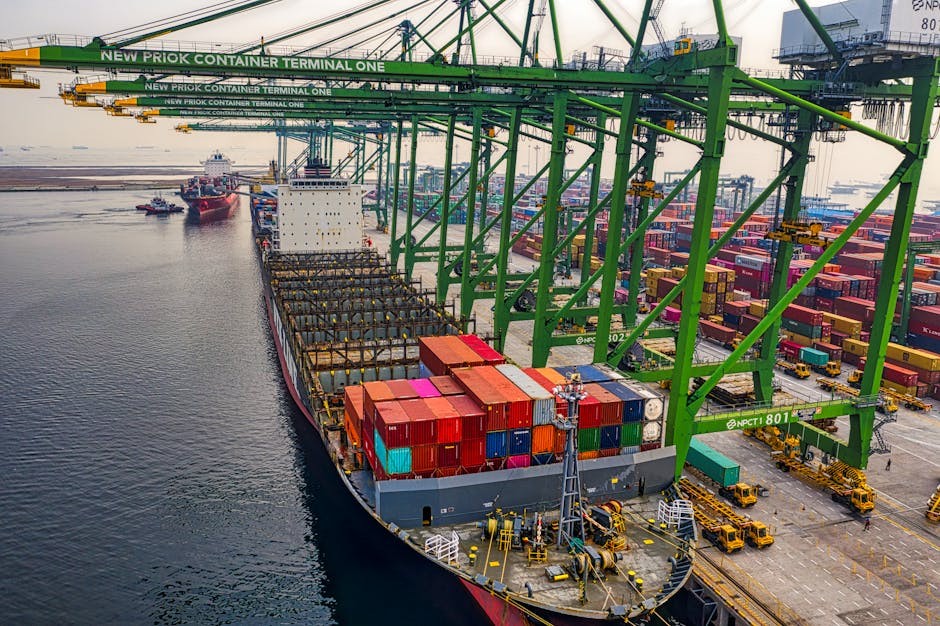
According to www.emarketer.com, Amazon has officially launched Amazon Supply Chain Services (ASCS), a unified suite of third-party logistics offerings targeting healthcare, automotive, manufacturing, and retail enterprises. The service grants external businesses access to Amazon’s global freight, distribution, fulfillment, and parcel shipping infrastructure—capabilities previously optimized for its own retail operations.
Strategic Parallels to AWS
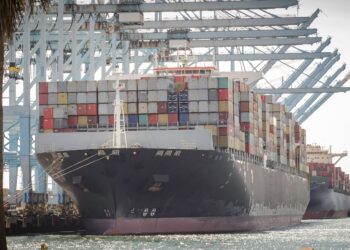
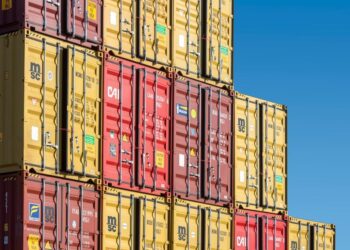
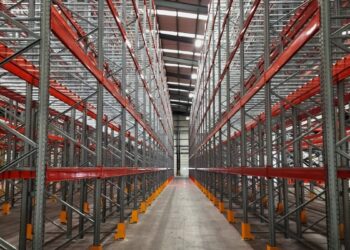
The ASCS launch deliberately mirrors Amazon’s 2006 introduction of Amazon Web Services (AWS). In both cases, Amazon first built internal infrastructure to solve scale and reliability challenges—then productized that infrastructure for external customers. ASCS commercializes Amazon’s end-to-end logistics network, which spans ocean, air, ground, and rail freight; AI-driven distribution and fulfillment powered by a unified inventory pool; and parcel shipping delivering across channels in two to five days. This infrastructure supports billions of packages annually, according to the report.
Early Adopters and Use Cases
Several major corporations are already deploying ASCS capabilities:
- Procter & Gamble uses Amazon’s freight services to move raw materials and finished goods;
- 3M transports products from manufacturing sites to global distribution centers;
- Lands’ End leverages a unified inventory pool to fulfill orders across online, mobile, and retail channels;
- American Eagle relies on Amazon’s parcel network to deliver ecommerce orders nationwide.
Market Context and Competitive Positioning
Amazon’s third-party logistics business—including Fulfillment by Amazon (FBA) and related services—generated nearly $172.2 billion in revenue last year, representing approximately 25% of Amazon’s total revenue. That unit grew 10.3% year-over-year. Until ASCS, these capabilities were not formally packaged as an integrated solution for non-marketplace B2B clients. By launching ASCS, Amazon positions itself as a direct competitor to established third-party logistics (3PL) providers including DSV, DHL, and Kuehne + Nagel. The global 3PL market is projected to generate more than $1.4 trillion in 2026, per Armstrong & Associates, as cited in the source.
Operational and Commercial Implications
ASCS strengthens Amazon’s capital efficiency: it layers new revenue streams onto existing infrastructure—warehouses, transportation assets, and software systems—freeing up funds to further invest in scale and automation. That advantage compounds: faster delivery times for consumer orders directly increase sales of high-turnover everyday essentials like paper towels and shampoo. For supply chain professionals, ASCS offers standardized API integrations, real-time visibility into multi-modal shipments, and demand forecasting tools trained on Amazon’s historical order data—capabilities historically accessible only to large enterprises with bespoke IT investments. The service is available initially in the United States, with global expansion implied by references to ocean freight and global distribution centers.
Source: www.emarketer.com
Compiled from international media by the SCI.AI editorial team.