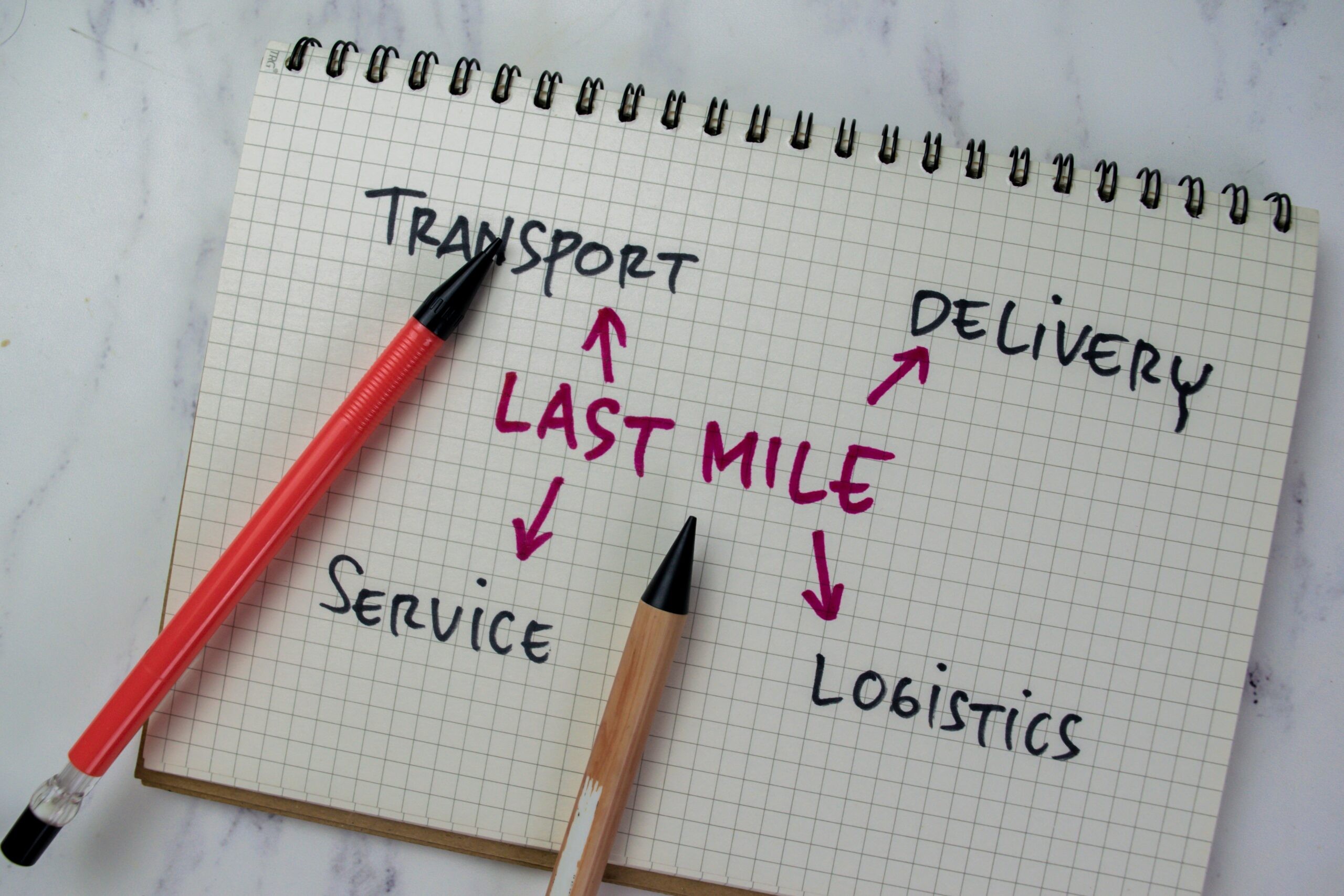
According to www.globaltrademag.com, North American fleet operators are confronting heightened operating costs, stricter regulatory oversight, and rising customer service expectations in 2026 — prompting a strategic reevaluation of routing, data utilization, and service execution in last-mile operations.
Integration Is Non-Negotiable
Legacy applications — often built for single-task execution — remain entrenched in many fleet operators’ technology stacks. This siloed architecture undermines supply chain velocity and delivery efficiency, particularly in routing and telematics systems. As a result, fleets struggle to respond to operational exceptions, scale capacity dynamically, or extract meaningful value from artificial intelligence (AI). The source states that integration is now a prerequisite for competitiveness.
Driving Performance Through Visibility and AI
The inability to unify data across platforms directly impedes real-time decision-making and predictive capabilities. According to the report, this fragmentation is the single biggest drag on performance in last-mile execution. Fleet operators are prioritizing unified platforms to improve on-time delivery rates, close visibility gaps, and drive cost efficiency — all central objectives for supply chain professionals managing high-stakes urban deliveries.
Context: Industry-Wide Pressure Points
These trends unfold against a backdrop of broader logistical stressors documented in the same publication: the Strait of Hormuz shutdown has pushed global shipping to its breaking point; surging industrial freight volumes are exposing infrastructure gaps such as the need for custom storage racks; and import demand and inventory shifts are reshaping the entire freight market. Meanwhile, major carriers like CMA CGM — identified in the source as the third largest container carrier in the world, operating 450 vessels across more than 400 ports on five continents — continue adapting their registries and networks amid geopolitical tightening.
Practically, for supply chain professionals, this means legacy system dependencies can no longer be tolerated. Integration failures translate directly into delayed responses to traffic disruptions, missed delivery windows, and inefficient labor and fuel allocation. With shipments needing to be booked up to eight weeks earlier than usual, according to Akhil Nair, SEKO’s VP Global Carrier Management & Ocean Strategy APAC, end-to-end visibility — especially in the final leg — is no longer optional but foundational.
Emerging Priorities for Practitioners
- Replacing point solutions with interoperable, API-first routing and telematics platforms
- Embedding AI models trained on unified operational data — not isolated silos
- Aligning last-mile KPIs (e.g., on-time delivery, dwell time, exception resolution) with enterprise-wide visibility goals
- Accounting for external volatility — e.g., port congestion, regulatory changes, regional conflict spillovers — in dynamic route optimization
Source: www.globaltrademag.com
Compiled from international media by the SCI.AI editorial team.