Explore

  • Trending
  • Latest
  • Tools
  • Browse
  • Subscription Feed

Logistics

  • Ocean
  • Air Cargo
  • Road & Rail
  • Warehousing
  • Last Mile

Regions

  • Southeast Asia
  • South Asia
  • Central Asia
  • Japan & Korea
  • Middle East
  • Europe
  • Russia
  • Africa
  • North America
  • Latin America
  • Australia
SCI.AI
  • Supply Chain
    • Strategy & Planning
    • Logistics & Transport
    • Manufacturing
    • Inventory & Fulfillment
  • Procurement
    • Strategic Sourcing
    • Supplier Management
    • Supply Chain Finance
  • Technology
    • AI & Automation
    • Robotics
    • Digital Platforms
  • Risk & Resilience
  • Sustainability
  • Research
  • Expert Columns
  • English
    • Chinese
    • English
No Result
View All Result
  • Login
  • Register
SCI.AI
No Result
View All Result
Home Sustainability ESG & Regulation

India’s Carbon Costs to Cut Cement Profits by Up to 19% by FY2027

2026/04/24
in ESG & Regulation, Green Supply Chain, Sustainability
0 0
India’s Carbon Costs to Cut Cement Profits by Up to 19% by FY2027

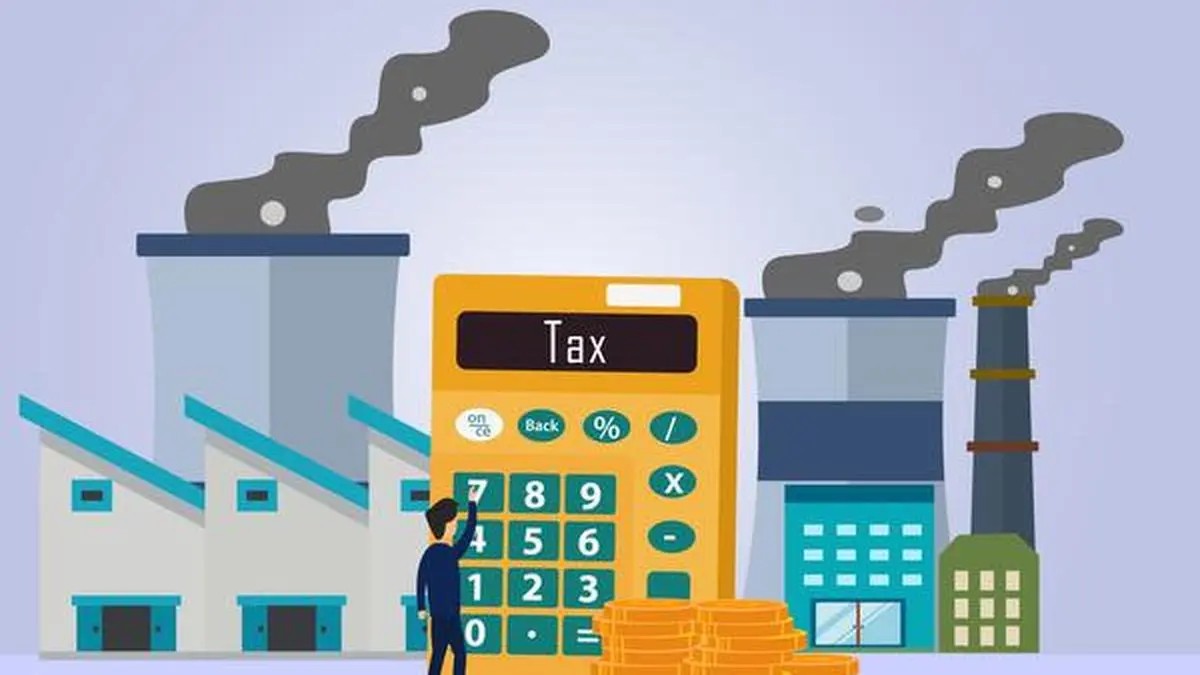
According to www.thehindubusinessline.com, India’s Carbon Credit Trading Scheme (CCTS) is set to tighten significantly by FY2027, raising carbon compliance costs — particularly for cement and aluminium producers — with potential profit impacts of up to 19 per cent for some cement firms and up to 3 per cent for certain aluminium players.

Transition Year vs. Tightening Phase

The ICRA ESG analysis examined 14 major companies — 10 cement and 4 aluminium — and found that FY2026 serves as a relatively manageable transition year. In FY2026, cement companies can largely meet emission targets by reducing emission intensity by about 1.5 per cent. However, if emissions remain flat or rise, firms may face shortfalls requiring carbon credit purchases. Some early movers could even generate surplus credits for sale.

By FY2027, the compliance burden escalates markedly. Around 30 per cent of cement companies could face deficits even under favourable conditions. In adverse scenarios, the financial impact could reach up to ₹700 crore, and carbon costs could erode profits by as much as 19 per cent for select firms.

Emission Reduction Targets by Sector

  • Cement: Companies need to cut emission intensity by 0.7 per cent in FY2026 and 2.7 per cent in FY2027, both relative to FY2024 levels.
  • Aluminium: Firms must reduce emission intensity by 1.6 per cent in FY2026 and 5.2 per cent in FY2027, again versus FY2024. The report notes that if production grows while emissions stay constant, none are likely to meet FY2027 targets.

Competitive Implications for Supply Chain Professionals

For global supply chain professionals sourcing from or operating within India’s industrial base, these developments signal material cost volatility ahead. Cement and aluminium are foundational inputs across construction, automotive, packaging, and infrastructure sectors — meaning upstream carbon cost shocks will cascade through procurement contracts, landed cost calculations, and supplier risk assessments. Smaller, more efficient firms may gain pricing leverage by achieving early reductions, while larger incumbents face margin pressure unless they embed decarbonisation into capital planning and supplier engagement frameworks. Steady annual reductions of 1–3 per cent for cement and 2–5 per cent for aluminium are identified as essential to control costs and maintain competitiveness.

“FY2026 offers a transition period with manageable costs, but FY2027 will significantly increase pressure. Large companies may see profits hit by carbon costs, while smaller, more efficient players could gain an advantage by cutting emissions faster.” — ICRA ESG analysis

Source: www.thehindubusinessline.com

Compiled from international media by the SCI.AI editorial team.

More on This Topic

  • AI Supply Chain Efficiency Up 280%: Digital China 2025 ESG Report (Apr 24, 2026)
  • Mars & ofi Launch Cocoa Agroforestry Project for 960 Farmers in Ecuador (Apr 23, 2026)
  • CBAM Reshapes Industrial Trade: India Faces $343/ton Steel Tariff (Apr 22, 2026)
  • Apple Hits 30% Recycled Materials Across Products Amid 2030 Climate Push (Apr 21, 2026)
  • Apple Supply Chain Clean Energy Cuts 26M Tons CO₂, Reaches 20.7 GW (Apr 21, 2026)
ShareTweet

Related Posts

AI Supply Chain Efficiency Up 280%: Digital China 2025 ESG Report
ESG & Regulation

AI Supply Chain Efficiency Up 280%: Digital China 2025 ESG Report

April 24, 2026
1
Mars & ofi Launch Cocoa Agroforestry Project for 960 Farmers in Ecuador
ESG & Regulation

Mars & ofi Launch Cocoa Agroforestry Project for 960 Farmers in Ecuador

April 23, 2026
5
CBAM Reshapes Industrial Trade: India Faces $343/ton Steel Tariff
ESG & Regulation

CBAM Reshapes Industrial Trade: India Faces $343/ton Steel Tariff

April 22, 2026
2
Apple Hits 30% Recycled Materials Across Products Amid 2030 Climate Push
ESG & Regulation

Apple Hits 30% Recycled Materials Across Products Amid 2030 Climate Push

April 21, 2026
4
Apple Supply Chain Clean Energy Cuts 26M Tons CO₂, Reaches 20.7 GW
ESG & Regulation

Apple Supply Chain Clean Energy Cuts 26M Tons CO₂, Reaches 20.7 GW

April 21, 2026
4
GEO-SAR Satellite Network Boosts Maritime Surveillance
ESG & Regulation

GEO-SAR Satellite Network Boosts Maritime Surveillance

April 20, 2026
7

Leave a Reply Cancel reply

Your email address will not be published. Required fields are marked *

Recommended

Red Sea Reopening in 2026: Strategic Realignment, Hidden Friction, and the New Geometry of Global Supply Chains

Red Sea Reopening in 2026: Strategic Realignment, Hidden Friction, and the New Geometry of Global Supply Chains

9 Views
March 17, 2026
The Dynamic Supply Chain Imperative: How Vendor Risk Assessment Is Reshaping Enterprise Resilience in 2026

The Dynamic Supply Chain Imperative: How Vendor Risk Assessment Is Reshaping Enterprise Resilience in 2026

14 Views
February 27, 2026
Black Kite 2026: 136 Breaches Cascade to 26,000 Suppliers as Manufacturing Vendor Cyber Risk Hits Crisis

Black Kite 2026: 136 Breaches Cascade to 26,000 Suppliers as Manufacturing Vendor Cyber Risk Hits Crisis

17 Views
March 9, 2026
2026 Logistics Trends: Visibility, Tariffs, and Resilience

2026 Logistics Trends: Visibility, Tariffs, and Resilience

6 Views
April 21, 2026
Show More

SCI.AI

Global Supply Chain Intelligence. Delivering real-time news, analysis, and insights for supply chain professionals worldwide.

Categories

  • Supply Chain Management
  • Procurement
  • Technology


  • Risk & Resilience
  • Sustainability
  • Research

© 2026 SCI.AI. All rights reserved.

Powered by SCI.AI Intelligence Platform

Welcome Back!

Sign In with Facebook
Sign In with Google
Sign In with Linked In
OR

Login to your account below

Forgotten Password? Sign Up

Create New Account!

Sign Up with Facebook
Sign Up with Google
Sign Up with Linked In
OR

Fill the forms below to register

All fields are required. Log In

Retrieve your password

Please enter your username or email address to reset your password.

Log In

Scan to share via WeChat

Open WeChat and scan the QR code to share

QR Code

Add New Playlist

No Result
View All Result
  • Supply Chain
    • Strategy & Planning
    • Logistics & Transport
    • Manufacturing
    • Inventory & Fulfillment
  • Procurement
    • Strategic Sourcing
    • Supplier Management
    • Supply Chain Finance
  • Technology
    • AI & Automation
    • Robotics
    • Digital Platforms
  • Risk & Resilience
  • Sustainability
  • Research
  • Expert Columns
  • English
    • Chinese
    • English
  • Login
  • Sign Up

© 2026 SCI.AI