According to www.maersk.com, Maersk has published its forward-looking analysis of logistics trends expected to define the industry in 2026 — with emphasis on customs compliance, real-time supply chain visibility, intermodal innovation, and resilience planning across global networks.
Core Trends Shaping 2026 Logistics
The source states that logistics visibility in 2026 will move beyond basic tracking to deliver real-time, predictive insights across the entire supply chain. Emerging technologies like AI-agents and workflow builders will empower businesses to anticipate disruptions, optimize routes, and enhance transparency.
Tariffs and customs compliance are highlighted as urgent priorities, particularly in North America, where customs frameworks are shifting. The report stresses that success requires early planning, data ownership, and cross-functional strategy. It also notes the end of Europe’s de minimis exemption as a key regulatory change affecting European supply chains in 2026.
Resilience planning is positioned as central to operational readiness. According to the report, Maersk Europe Head of Operations, Ahmed Bashir, outlines the key supply chain challenges of 2026 and how businesses can prepare — including navigating Red Sea uncertainty and multi-carrier flexibility demands.
Regional and Functional Focus Areas
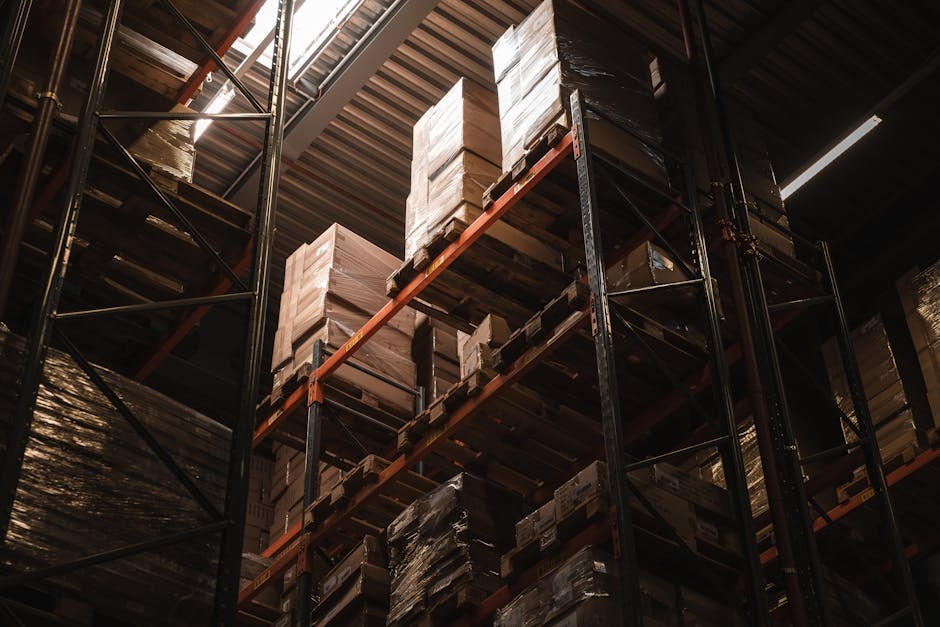
- Global warehousing: Top five trends for 2026 include technology adoption, workforce shifts, and sustainability imperatives.
- IMEA (India, Middle East, and Africa): Warehousing trends emphasize autonomy, sustainability, and multimodal integration to redefine fulfillment networks.
- Fresh produce logistics: Changing customer habits and newly opening markets are reshaping food logistics requirements.
- E-commerce logistics: Two top trends — not specified numerically but described as characterizing the space — will shape this sector in 2026.
- Cargo risk insurance: Transportation risks remain a ‘real possibility’, prompting new approaches to cargo risk management.
Technology and Startup Acceleration
The source states that supply chain tech startups are redefining global logistics operations in 2026 — driving smarter automation and next-generation compliance tools. Intermodal and multi-carrier logistics trends include digitalisation, decarbonisation, policy shifts, and operational innovation.
“What can companies expect in 2026? How will logistics move this year? What are the trends that we will see? Be the first to know.” — Silvia La Face, Customer Communication Manager & UX Writer, Maersk
Maersk positions integrated logistics — combining global expertise with pioneering digital innovations — as essential for managing 2026’s projected complexities. The company offers tailored solutions across supply chain development, management, and digital innovation, citing its role in supporting FMCG and automotive resilience, East Africa trade growth, and reliable intermodal transportation.
Source: www.maersk.com
Compiled from international media by the SCI.AI editorial team.