According to www.esgtoday.com, Mars and ofi (olam food ingredients) have jointly launched a cocoa agroforestry partnership in Ecuador aimed at cutting the carbon footprint of their shared cocoa supply chain through climate-smart and regenerative agriculture practices.
Project Scope and On-Farm Interventions
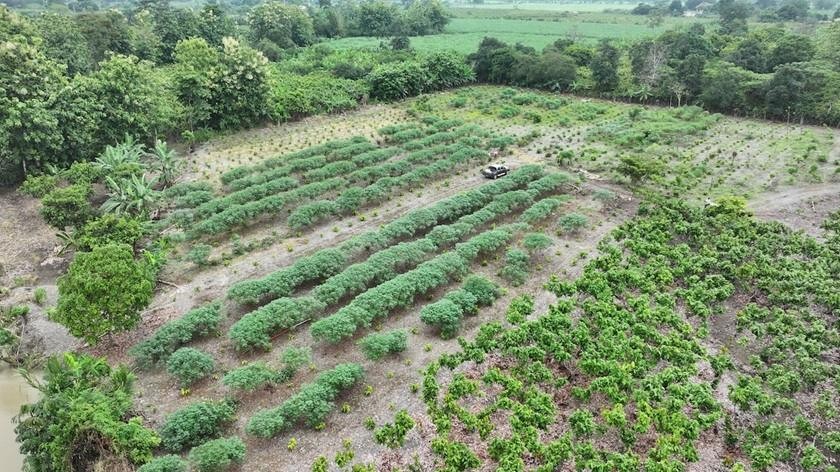
In the first phase, more than 960 farmers across major cocoa-growing regions in Ecuador will implement regenerative agriculture practices across more than 9,000 hectares of farmland. The initiative is designed to boost cocoa production, support soil microorganisms and pollinators, and create natural barriers against pests and disease. Farmers will receive tools and training for using low-carbon fertilizers, improved crop residue management, and biochar applications.
The companies state that these interventions aim to strengthen long-term resilience by enhancing soil health, reducing greenhouse gas (GHG) emissions, increasing CO2 removals, and improving cocoa crop yields. Approximately 4,800 people in surrounding cocoa-growing communities are also estimated to benefit from these on-farm investments.
Strategic Alignment and Leadership Statements
The project forms part of Mars’ broader Mars Net Zero Roadmap, which targets net zero value-chain emissions by 2050. Mars’ Net Zero ambitions have been validated by the Science Based Targets initiative (SBTi), providing a framework for joint, long-term investment with ofi.
“Together with Mars, we’re scaling up regenerative practices like agroforestry and biochar in Ecuador aimed at cutting greenhouse gas emissions and helping to secure the future supply of cocoa. By making these practices more accessible to farmers, we hope to reduce barriers for implementation and costly inputs, while opening new income opportunities that can make a real difference to building more resilient livelihoods.” — Andrew Brooks, Head of Cocoa Sustainability at ofi
“True progress on climate requires shared ambition and mutually beneficial value. Having Net Zero ambitions validated by SBTi enables a bold framework for Mars and ofi to invest together in the long term in solutions that are good for cocoa farmers, good for the environment, and good for the future of our supply chain.” — Pedro Amaral, Associate Director, Head of Cocoa Climate Sustainability at Mars
Industry Context for Supply Chain Professionals
This collaboration reflects a growing trend among global food and confectionery companies to address Scope 3 emissions—particularly those embedded in agricultural raw materials. According to the CDP’s 2025 Global Supply Chain Report, over 72% of food and beverage companies now report engaging directly with Tier 2 and Tier 3 agricultural suppliers on climate action, up from 41% in 2021. Similar initiatives include Nestlé’s Cocoa Plan in Côte d’Ivoire and Ghana (reaching over 200,000 farmers since 2009), and Hershey’s Cocoa For Good program, which includes agroforestry pilots in Cameroon and Nigeria. Unlike commodity-driven certification schemes, Mars and ofi’s model emphasizes co-investment in on-farm infrastructure and technical capacity—directly lowering input costs and diversifying farmer income, both critical levers for adoption in smallholder-dominant supply chains like Ecuador’s, where over 90% of cocoa is grown by farms under five hectares.
Source: www.esgtoday.com
Compiled from international media by the SCI.AI editorial team.