According to www.ad-hoc-news.de, J.B. Hunt Transport’s intermodal segment serves as its largest revenue driver and core competitive advantage amid ongoing freight market volatility. The company’s asset-light business model — spanning Intermodal, Dedicated Contract Services (DCS), Truckload, and Brokerage — minimizes fixed capital outlays while enabling scalable responses to demand shifts.
Intermodal as the Structural Anchor
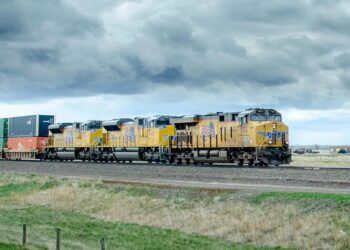
Intermodal combines truck drayage with rail transport for cost-effective, long-haul moves over 500 miles, particularly on high-volume corridors from ports to inland hubs. This segment leverages J.B. Hunt’s exclusive partnership with BNSF Railway, securing dedicated train capacity — a structural moat that peers struggle to replicate. The source states this arrangement ensures reliability amid rail congestion and supports volume growth even in soft markets. Fuel savings and lower emissions from rail use align with corporate sustainability mandates, enhancing pricing power with key accounts including Amazon, Walmart, and Procter & Gamble.
Business Model Advantages for Supply Chain Resilience
The asset-light structure avoids heavy capital commitments to trucks or railcars, allowing J.B. Hunt to adjust capacity rapidly without balance-sheet strain. According to the report, this flexibility delivers steady cash flows from multi-year DCS contracts with Fortune 500 firms, even when spot rates weaken. The brokerage arm adds optionality: capturing upside during freight peaks while limiting downside exposure during slumps. Unlike pure truckload carriers, J.B. Hunt is insulated from acute driver shortages and equipment depreciation pressures.
Industry Context and Practitioner Implications
J.B. Hunt’s intermodal focus reflects a broader North American logistics trend accelerated by infrastructure investment — including rail upgrades under the U.S. Infrastructure Investment and Jobs Act — and growing shipper emphasis on Scope 3 emissions reduction. Its technology platform, J.B. Hunt 360, integrates route optimization and predictive analytics, supporting margin resilience. For supply chain professionals, this signals increasing viability of intermodal as a default mode for medium- to long-haul domestic freight — especially where reliability, emissions targets, and contract rate visibility outweigh speed advantages of over-the-road trucking. Nearshoring activity from Mexico and Midwest manufacturing rebound further strengthens intermodal’s strategic role in inventory restocking and de-risked sourcing.
Market Positioning and Risk Factors
The source notes that J.B. Hunt serves 99% of the U.S. population and benefits from tailwinds including Precision Scheduled Rail (PSR) improvements, hours-of-service reforms, and EPA clean diesel standards — all supporting fleet efficiency. However, it also cites potential headwinds: tariff escalations could disrupt cross-border volumes, though the company’s domestic focus mitigates this risk. Diesel price volatility remains a swing factor, though hedging programs are in place. Analysts highlight monitoring the Cass Freight Index and truck tonnage data as practical tools for timing operational and procurement decisions.
“J.B. Hunt’s intermodal resilience highlights why logistics leaders endure freight downturns.” — Elena Vasquez, Senior Transportation Equity Analyst
Source: www.ad-hoc-news.de
Compiled from international media by the SCI.AI editorial team.