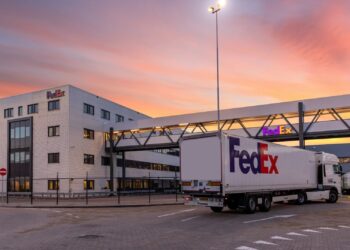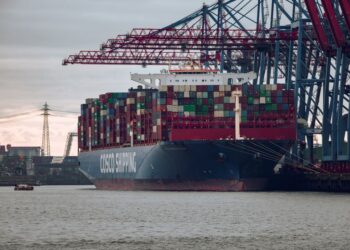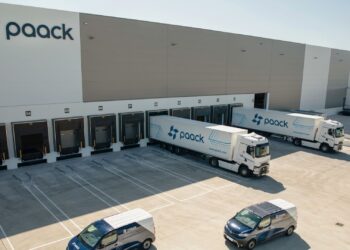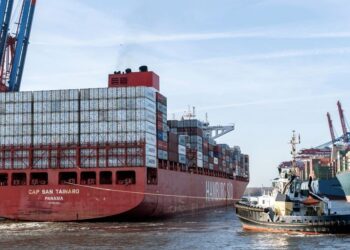
According to landmarkglobal.com, 2026 will mark the era of Predictive Logistics, where AI algorithmically re-routes parcels in real time to avoid delays before they occur — shifting AI from a ‘chatbot’ tool to an ‘Operational Brain’ embedded across physical supply chain operations.
AI as the Operational Brain
In 2026, artificial intelligence moves decisively beyond route planning into anticipatory decision-making. Carriers and third-party logistics providers (3PLs) will use AI not only to track parcels but to forecast demand spikes — for example, placing inventory in Poland to serve German consumers — and dynamically re-route shipments based on live traffic or weather data. Landmark Global cites UPS and DHL as stable partners for this transition, and identifies itself as a 2026-ready cross-border provider supporting ecommerce growth through integrated logistics solutions.
The Belgium Effect Goes Global
What began as Belgium’s 2025 regulatory push — mandating strict carbon emissions reporting and enforcing zero-emission delivery zones — is forecast to become the EU-wide blueprint in 2026. As a result, ‘Green delivery’ will cease to be a premium checkout option and instead become a licensed baseline requirement for operating in major metropolitan areas. Retailers lacking carrier partners with electric fleets or cargo-bike capabilities risk exclusion from city centers or steep congestion taxes — a shift already visible in early enforcement in Brussels and Antwerp.
Growth Shifts South and East
- Italy is forecast to be the fastest-growing Western European market for cross-border shipments in 2026, driven by rapid digital adoption and surging demand for international fashion and electronics.
- Belgium continues consolidating its role as the preferred EU entry point, leveraging high purchasing power and central geographic access.
- The Central and Eastern Europe (CEE) region — including Poland and Romania — offers state-of-the-art infrastructure and lower competitive saturation than the DACH region, presenting a ‘blue ocean’ for expansion.
Carrier Neutrality as Standard Practice
To counter volatility from strikes, extreme weather, and fuel cost fluctuations, ‘Carrier Neutrality’ will become the standard strategy for retailers. Rather than locking in with one provider, brands will adopt multi-carrier networks that allow dynamic switching based on performance, cost, or disruption — a necessity for managing what Landmark Global terms the ‘Permanent Peak‘ of demand. This approach requires capacity to be secured months in advance and hinges on collaborative, integrated planning.
Subscription Logistics Demands Flawless Reliability
With customer acquisition costs rising, retention via subscription models becomes critical — but it demands logistics reliability over speed. In 2026, ‘Scheduled Logistics’ — guaranteed same-day delivery slots each month — will rise sharply, especially for consumables like pet food, beauty products, and coffee. A single missed delivery breaks the habit and risks permanent churn.
“The most successful brands in 2026 will not just be those who ship fastest, but those who use logistics to build loyalty and predict consumer needs before they happen.” — Landmark Global, 2026 Logistics Forecast
Source: landmarkglobal.com
Compiled from international media by the SCI.AI editorial team.