According to www.supplychaindive.com, procurement executives at the Institute for Supply Management (ISM) World 2026 conference emphasized that AI adoption must begin with low-risk pilots and expand gradually to control costs — specifically to avoid annual AI-related expenditures exceeding $5 million.
Cost Control Through Phased Rollout
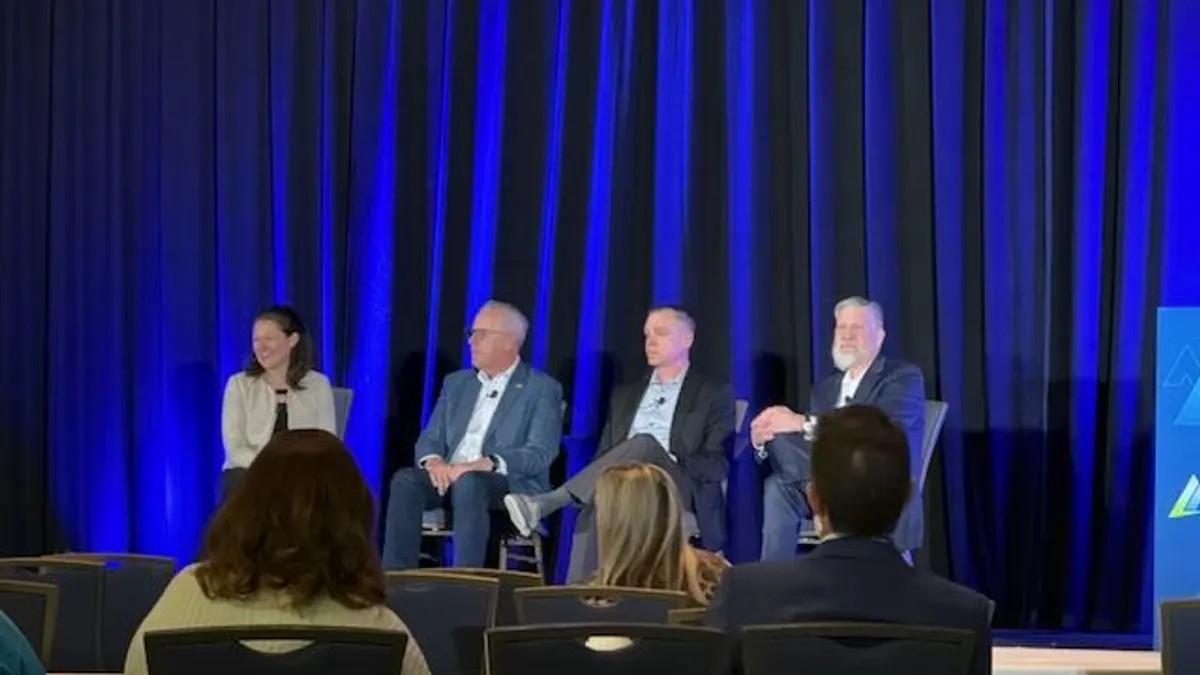
The panel, held on May 21, 2026, featured Dan Bartel, chief procurement officer of American Airlines; Brandon Phillips, VP of global supply chain at Wesco; and Chris Martus, VP of procurement at The Mosaic Company. All three stressed that procurement teams face immediate budget pressure: one participant cited a $5 million annual AI infrastructure and licensing cost threshold beyond which ROI becomes difficult to justify without proven use cases.
According to the report, American Airlines has deployed AI in spend analytics for two supplier categories — indirect materials and maintenance services — covering 12% of total category spend as of Q2 2026. Wesco reported piloting AI-powered contract clause extraction across 47,000 active supplier agreements, reducing manual review time by 63% in its initial 90-day trial.
Industry Context: Widespread Caution Amid Rising Costs
This cautious stance aligns with broader procurement technology trends. A 2025 Gartner survey found that 68% of Fortune 500 procurement organizations limited AI vendor contracts to 12-month terms with exit clauses — up from 41% in 2023. Meanwhile, average AI procurement software license fees rose to $245,000 per year per module in 2026, according to Spend Matters’ annual tech pricing benchmark.
Practitioner implications are direct: supply chain professionals must prioritize integration-ready tools with prebuilt connectors to ERP systems like SAP S/4HANA and Oracle Cloud SCM. The Mosaic Company reported allocating 72% of its 2026 AI budget to API development and data cleansing — not algorithm training — underscoring that data readiness remains the largest bottleneck.
Panel Consensus on Governance and Metrics
Charlotte de Brabandt, deputy head of IT governance and compliance at the ZF Group and panel moderator, stated:
“We’re measuring success not in model accuracy, but in procurement cycle time reduction — specifically sub-48-hour response SLAs for RFx evaluations and 15% faster PO-to-invoice reconciliation.” — Charlotte de Brabandt, deputy head of IT governance and compliance, the ZF Group
Dan Bartel added:
“Our first AI pilot cut sourcing event planning from 14 days to 3.2 days. That’s the metric we scale — not F1 scores.” — Dan Bartel, chief procurement officer, American Airlines
The panel collectively rejected enterprise-wide AI mandates. Instead, they endorsed “use-case gating”: each AI deployment requires documented savings validation against a baseline, verified by finance before funding the next phase. Wesco’s current gate is $18,500 in verified annual labor cost avoidance per AI workflow.
Source: Supply Chain Dive
Compiled from international media by the SCI.AI editorial team.