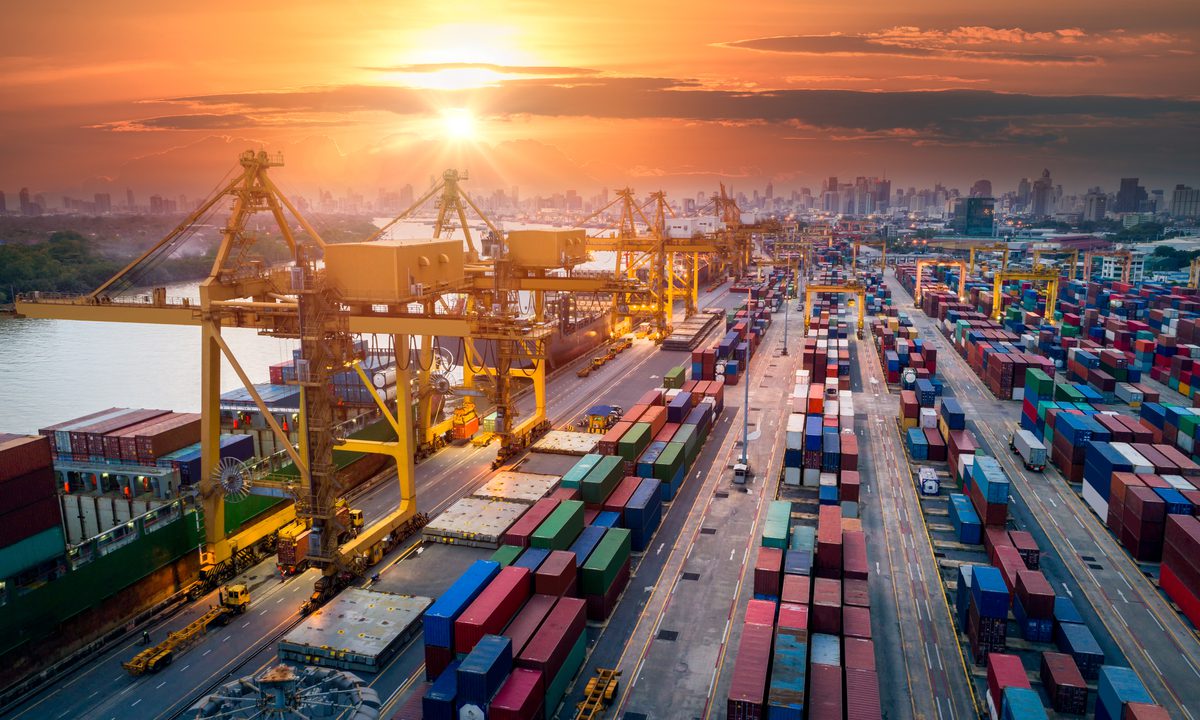
According to www.pymnts.com, the Middle East conflict is disrupting freight routes—especially near the Strait of Hormuz—cutting sea traffic and driving air freight rates up more than 70% on some routes.
Geopolitical Shock at a Critical Chokepoint
The war in Iran has reshaped global trade patterns around air freight and shipping, directly impacting energy supply chains as well as high-value goods like electronics and pharmaceuticals. Unlike earlier disruptions such as the Russia-Ukraine war or Red Sea attacks, this crisis centers on the Strait of Hormuz, where ship attacks and security risks have reduced non-Iranian sea traffic to near standstill. Aviation corridors over the Middle East are also disrupted, with logistics hubs including Dubai, Abu Dhabi, and Doha facing route closures.
Digital Trade Infrastructure Enables Rapid Response
Paper-based trade processes—including physical bills of lading, inspection certificates, and letters of credit—are proving inadequate during rapid rerouting. These documents often move via courier networks rather than digital platforms, causing delays when shipments change course. In contrast, companies with integrated digital trade platforms can amend documentation electronically, update insurers, and adjust financing terms in near real time.
- Digitized companies respond to disruptions within hours
- Manual-process organizations may require days to coordinate changes across banks, insurers, and logistics providers
- Longer transit times tie up working capital, increasing financial pressure—especially for smaller exporters operating on thin margins
Working Capital Strain and Financial Adaptation
When shipments take longer to arrive, inventory remains tied up in transit—extending the period companies must finance goods while still paying suppliers on schedule. The 2025–2026 Growth Corporates Working Capital Index: Research Report Data Book, a PYMNTS Intelligence report commissioned by Visa, identifies virtual cards, dynamic discounting platforms, supply chain finance programs, and embedded payment networks as tools that help extend payment cycles while ensuring suppliers receive early cash access.
Logistics and Insurance Ripple Effects
Shipping companies are avoiding Gulf ports and nearby waters due to missile strike, drone attack, and naval confrontation risks. This alters container repositioning, causes port bottlenecks, and triggers shortages of equipment. War risk insurance costs have surged as geopolitical tensions rise. Banks and insurers are responding by integrating digital tools—including automated compliance checks, digital identity verification, and electronic documentation—to accelerate transaction approvals.
Source: www.pymnts.com
Compiled from international media by the SCI.AI editorial team.